Pope has vision of a true reformer
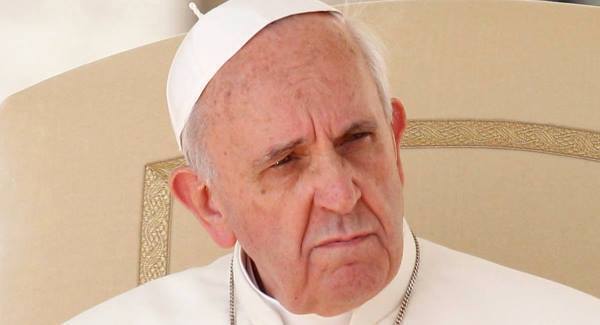
From the very start of his papacy Francis has shown himself to be a singular figure — mysterious, yet accessible, and without the stern demeanour of his immediate predecessor.
But what appeared up to now to be either style over substance, or simply a strategy to ingratiate and engage with the wider Catholic community, could, in fact, signal a quiet revolution.
In a lengthy interview given to a group of Jesuit magazines, Pope Francis has spoken at length about the need for major Church reform, offering a dramatic and liberal contrast to the conservatism of Benedict XVI.
He has shown himself to be a true reformer by setting out a vision of the church that a year ago would have been thought unimaginable.
Stressing the essential role of women in the life of the Church, though not going so far as to advocate female ministry, Francis points to a way forward that harks back to the hopes of reform first offered by John XXIII and Vatican II.
“We have to work harder to develop a profound theology of women within the Church,” he said. “The feminine genius is needed wherever we make important decisions.”
His avowed liberalism has its limits, though. He speaks reverentially about the role of women in the Church but says he isn’t convinced by what he describes as “a kind of ‘female machismo’.”
Yet he recognises that the Church cannot continue to be simply a multiplicity of doctrines to be imposed on all and sundry. He says he wants a “new balance” in the Church which is more pastoral and less concerned with condemning gay people, divorcees, and women who have had abortions.
From the outset of his papacy in March, Francis has exhibited an endearing humility.
He has washed the feet of juvenile prisoners, visited a centre for refugees and hugged disabled pilgrims. He has sought to extend that humility to the Church at large, declaring: “We must not reduce the bosom of the universal Church to a nest protecting our mediocrity.”
He has chosen to live in a spartan Vatican guesthouse rather than the imposing Papal apartments, not in itself an act of humility but because it would have secluded him too much for his liking. Francis is a social animal. “I cannot live without people,” he said.
These examples of humility have been strengthened by his humanity, compassion and willingness to engage not just with the faithful but with those within the Church who have been marginalised, among them gay men and women and divorcees.
Setting out his view that the essential mandate is to serve the poor and oppressed, Francis uses poetic language to speak about the “fragrance of the Gospel”, but his roadmap for change is very much rooted in reality. He says the first reform of the Church must be one of “attitude”, adding that unless a new balance is found, “the moral edifice of the Church is likely to fall like a house of cards”.
Not since John XXIII has such an enlightened and hopeful vision been offered by a pope. His words will bring great comfort to the Catholic Church’s 1.2bn members.