Insolvency service - So far, so confusing for debtors
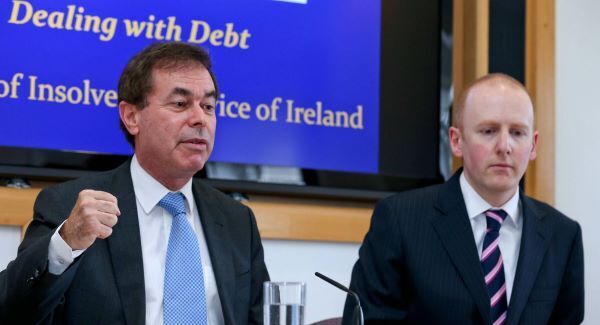
The stated role of the Insolvency Service of Ireland (ISI), which began inviting applications yesterday, is to restore insolvent debtors to solvency in a fair, transparent and equitable way.
That is all very laudable but the question is whether it will deliver. The signs are ominous that it may not.
The act introduces three new insolvency procedures to enable individuals resolve their debts. These are Debt Relief Notices (DRN), Debt Settlement Arrangements (DSA) and Personal Insolvency Arrangements (PIA).
The ISI will authorise and then regulate “approved intermediaries” to implement DRNs and Personal Insolvency Practitioners (PIPS) for the purpose of implementing DSAs and PIAs.
So far, so confusing, in what is a complex piece of legislation. But that is only a minor flaw in a structure that, fatally, gives creditors a veto on whether an individual will have his or her debt discharged.
It is reasonable to assume that most applications will be made under the Personal Insolvency Arrangements, as the other categories cater for debts of less than €20,000. It is also safe to assume that many will come from householders in negative equity who are struggling to meet their repayments.
The good news is that eligible people will be able to get some of their borrowings written off.
The bad news is that, unlike the taxpayer who was given no say in bailing out the banks, debt-laden individuals — many of them also taxpayers — will only get relief if the banks agree to take a ‘haircut’.
In other words, the whole structure of this new debt relief service is predicated on the banks acting in a humane and rational manner.
On past experience, that may be an unrealistic assumption. It took the suicide of Fiachra Daly to convince KBC Bank to write off a €17,000 debt owed by him and his partner, Stephanie Meehan, a former Priory Hall resident.
Former Fine Gael government minister Ivan Yates described last week the appalling treatment he received from AIB after they called in loans following the collapse of his business, Celtic Bookmakers. Mr Yates, who said he contemplated suicide, claims that the bank refused to accept 80c for every €1 he owed.
Indebted individuals, therefore, will need to engage a Personal Insolvency Practitioner with robust negotiating skills. But there are currently only 37 in the country and they are likely to be overwhelmed if thousands of applications are made in short order.
There is also confusion as to who will pay them. According to Lorcan O’Connor, the head of the service, debtors will not be required to pay up-front fees to practitioners. However, legal experts disagree and estimate that a fee of around €3,000 will by sought up-front, a considerable burden for an already heavily indebted individual.
The ‘sheet of shame’ element in this system should not be ignored, either. The names and details of applicants will be published, thus robbing already harassed persons of the dignity of dealing privately with their financial difficulties.

CONNECT WITH US TODAY



Be the first to know the latest news and updates