Post-troika Ireland - Reform as important as more cuts

Our bad, heads-in-the-sand habit of believing that by just enacting legislation we have resolved the difficulties that made the legislation necessary in the first place, has the potential to trip us up one more time.

Post-troika Ireland - Reform as important as more cuts

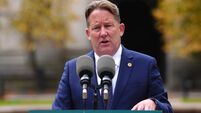
Finance Minister Michael Noonan has announced that a ā€œstringentā€ economic plan to replace the troika programme will be in place before we leave the bailout programme, as is anticipated, later this year.

Recognising the huge gap between income and expenditure that still dogs our public finances, he has warned that the programme of cuts — austerity as the zeitgeist has it — demanded by the EU-IMF-ECB programme continue if we are to realise the objectives that define a functioning society and economy.

That the plan will stretch over seven years, well beyond the next election, has an almost disarming air of honesty and challenge about it. It would certainly be easier for Mr Noonan and the Government to pretend that the patient is healthy and that further, intrusive treatment is necessary but that it won’t last for long more. This openness will not, however, make realising those targets any easier.

Already, Public Expenditure and Reform Minister Brendan Howlin has written to his colleagues outlining the reductions they must impose on their department’s expenditure. It is believed that the Departments of Health and Social Protection have been told to find cuts of 3% in 2014 and a further 3% in 2015, but that figure could reach 5% in other departments.

Even after the changes and cuts of recent years, these figures seem daunting and will test the commitment and capacity of all of our public services if they are to deliver the kind of savings needed to rebalance the books. This is especially so as pay cuts agreed under the Haddington Road deal are due to be reversed within the lifetime of Mr Noonan’s 2020 plan.

In many ways, maintaining the fiscal discipline after the troika minders move on to the next basket case, is the easy part. Economic progress can be defined in an absolute way, in a way that leaves no room for ambiguity, but other, less concrete things are more difficult to quantify. Because of this, anyone who has studied how we manage, or too often mismanage, our affairs will realise that the reforms suggested by the troika are at least as important as the cuts imposed by it. The cuts are, after all, no more than the economic manifestation of those failures.

As a debate about Senate abolition or reform gathers pace, as so many professions still enjoy protections the troika suggest they lose, as we have an increasingly unsustainable and unjust two-tier pension scheme, as we still have a dysfunctional health service, as we still have third-level academics paid a lot more than their counterparts in the world’s top 10 universities, as we still have a legal system struggling to cope with the complexities of the banking collapse — and a five-year waiting list in our Supreme Court — as we still can’t make a public employee redundant, there are lots of areas other than fiscal reform that demand attention.

Let us hope that this time we don’t fool ourselves that by dealing with the figures, we have dealt with the malpractice that made those figures so very dreadful in the first place.

x

More in this section

Revoiced

Newsletter

Sign up to the best reads of the week from irishexaminer.com selected just for you.

Cookie Policy Privacy Policy Brand Safety FAQ Help Contact Us Terms and Conditions

Ā© Examiner Echo Group Limited