First carbon budget - Green taxes better late than never
We have been slow to acknowledge that we have an obligation to do all we can to try to confront the issue. Some people have even tried to shrug off our responsibilities by suggesting that, as a tiny country, any contribution we could make to the process would be all but irrelevant.
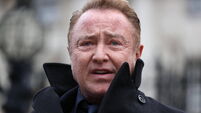
Environment Minister John Gormley put a welcome end to all that short-term, self-serving, shoulder-shrugging yesterday when he introduced our first carbon budget to the Dáil.
His primary focus was on transport and the impact that CO2 emissions from vehicles — public and private — are having. Last year greenhouse gas emissions from transport increased by more than 5%.
Mr Gormley told us that road transport generates about a fifth of the European Union’s CO2 emissions, with private cars responsible for about 12%.
Although improvements in technology — particularly in fuel efficiency, which means lower CO2 emissions — have not been enough to stem the growth in emissions due to increased car ownership and increased size.
While the EU cut emissions by almost 5% between 1990 and 2004, CO2 emissions from road transport rose by 26%. This despite a reduction of more than 12% in average new-car CO2 emissions between 1995 and 2004.
The situation in Ireland is even more worrying.
While road transport accounts for a similar portion of total emissions, we have seen an increase in emissions from road transport of about 180% between 1990 and 2006. These are figures and fully justify the changes in how vehicles are taxed, indeed if they are to be criticised it is because they do not go far enough — especially as even more severe measures are certain in the future.
There will be squealing, most likely from those who choose to run a large 4x4 to take the children to school. Tough. The days of such flagrant waste of the world’s resources to have such an unwelcome impact on the wellbeing of the environment are at an end.
Describing climate change as “the greatest challenge facing humanity over the coming century”, Mr Gormley announced provisions that will outlaw incandescent light bulbs from January 2009.
The minister promises that this measure will deliver emissions savings of up to 700,000 tonnes per year from residential lighting alone. It could save consumers an estimated €185 million in electricity costs per annum.
Already this week, Germany has put far-reaching legislation in place that aims, by 2020, to cut greenhouse gas emissions by almost 40% from 1990 levels.
Germany is sixth on the world’s list of CO2 producers and has reduced emissions by 18% since 1990.
An indication of how much ground we need to make up can be seen in one, simple illustration. All of Stockholm’s city-centre buses run on biogas, some of which — methane — is pumped from the city’s sewage treatment plants straight to the pumps at a nearby bus depot. The people of the Swedish capital — via the sewage works — produce enough gas to fuel 130 buses. The bus company will not buy anymore purely diesel buses.
However, better late than never, Mr Gormley’s nascent proposals — greatly strengthened because he has pointed out the economic as well as environmental implications of inaction — are to be welcomed as the initial steps towards trying to safeguard all of our futures.

CONNECT WITH US TODAY



Be the first to know the latest news and updates