Schools’ dental programme: Failings say a lot about us
One of the indulgences we embrace is how quickly we take the novel for granted. Grandparents shopping for Christmas presents for their grandchildren this week will remember a time when a radio in a car was regarded as sinfully hedonistic. Equally, those grandchildren have come to regard Netflix as a human right and the communications network that supports it as, well, ordinary.
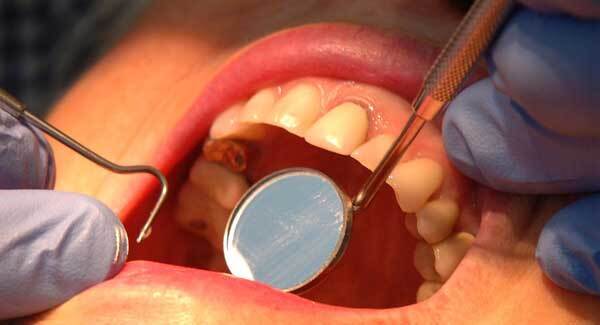
Those grandparents will remember another symbol from our past. They will remember misaligned, cavity-riddled teeth. They will remember when a child could not expect dental intervention unless they could pay for it. The introduction of school dental programmes, where children were assessed and offered treatment if it was needed, ended that unfairness.


Read

Listen

Watch

Play
CONNECT WITH US TODAY



Be the first to know the latest news and updates






Revoiced
Newsletter

Had a busy week? Sign up for some of the best reads from the week gone by. Selected just for you.

War of Independence Podcast
A special four-part series hosted by Mick Clifford
Available on
www.irishexaminer.com/podcasts

Commemorating 100 years since the War of Independence

Lunchtime News
Newsletter
Get a lunch briefing straight to your inbox at noon daily. Also be the first to know with our occasional Breaking News emails.
Revoiced
Newsletter
Had a busy week? Sign up for some of the best reads from the week gone by. Selected just for you.
Most Read
Friday, October 16, 2026 - 9:00 PM
Friday, October 16, 2026 - 11:00 PM
Friday, October 16, 2026 - 10:00 PM