We play Chitty Chitty Bang Bang as electric cars race into the future
"YOU may not reach your destinationâ, cautions the voice from somewhere in the dashboard.
She is not angry or alarmed, just reminding you that your electric vehicle might stop dead in the middle of the motorway and you might spend the evening on the hard shoulder instead of at your best friendâs 50th birthday party.
She doesnât want this to happen, she really doesnât. But she canât help noticing that the electricity is draining out of the engine and the destination youâve put into the sat nav may be out of reach. Sheâs just having a quiet word in your ear, with just a hint of criticism of your organisational abilities.
Surely I donât have to add that the voice is upper-class and English to explain my primitive desire to smash the dashboard with a crowbar?
Except I canât because itâs not my car. Itâs my friendâs car and we were really on our way to our mutual friendâs 50th down the country.
Weâd moved heaven and earth to get away when this, ahem, wagon started sneering at us from the dashboard that we mightnât get there at all!
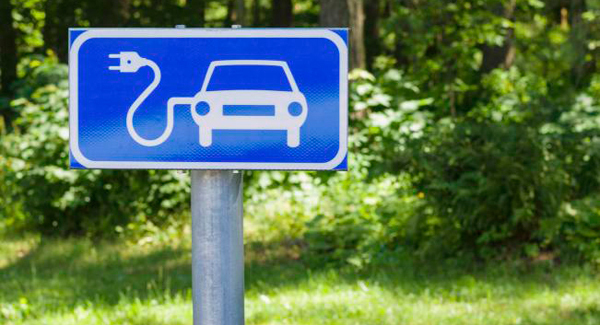
Weâd already been delayed by a couple of hours while my friend attempted to find an EV charger in the suburbs of Dublin which was both working and not parked over. Sheâd done a circuit of at least 10 miles to find one but she couldnât stay long enough to charge it fully or weâd miss the whole event.
Sheâs used to this kind of craic since her husband âhad a rush of blood to the headâ and came home with an EV. The ESBâs chargers often donât work and when they work thereâs frequently a queue, which isnât as bad as seeing a car with an internal combustion
engine sitting in the space.
The so-called fast chargers on the edge of the major cities which can have you up and away in 20 minutes often donât work and when they are working thereâs often a queue.
The change to the rules in the budget, which will mean a zero rate of benefit-in-kind tax on EVs as well as the current SEAI grant of âŹ5,000 and the VRT allowance to a maximum of âŹ5,000 are neither here nor there, really. If, like my friend, you donât have a driveway in which you can put a charging point, it is madness to buy an electric car because the charging infrastructure is just not there.
The husband who just couldnât help acting on impulse pleads that he wanted to do âdo the right thingâ. Thatâs whatâs so outrageous about the direction this country has taken: the person who âdoes the right thingâ is an eejit and his wife faces spending the night of her best friendâs 50th at the side of the road.
The clever person is someone like me, who drives a weapon which kills old people and little children, a diesel engine. The Government was heavily lobbied by the Environmental Pillar to at least equalise the price of diesel with less polluting petrol in the budget but opted to favour big polluters like me and keep it as it is.
Look, I didnât know what I was doing when I bought that car 10 years ago. It was secondhand and converted to run on bio-diesel. We ran it on bio-diesel for a while. Then it got too difficult to source and we got into the habit of dashing into the local garage every now and again and filling up with traditional diesel.
We were told by the Government, who were told by the car companies, that diesel was less environmentally damaging than petrol. Now we know that itâs four times more polluting, emitting gas and particulates which cause cancer and respiratory disorders.
About 1,200 people die as a result of poor air quality in Ireland every year and the biggest culprit is exhaust emissions. Thatâs nearly a fifth of the number who die from smoking cigarettes.
Diesel is dead. Paris, Mexico City, Madrid and Athens have declared an outright ban on diesel cars by 2025. The UK is banning the sale of new petrol and diesel cars from 2040 and is forging ahead with EVs as is France, and Holland. In Norway, 40% of new registrations last year were EVs which is not surprising as they will effectively ban cars with internal combustion engines from 2025. China is building 800,000 charging points this year and the CEO of Shell says his next car will be an EV.
So what do we do? As little as possible. The Government has hedged its bets by declaring that all cars must be âzero emission capableâ by 2030. We committed to having 230,000 EVs on our roads by 2020 and we have about 3,000. As the gloriously outspoken TD Timmy Dooley (FF) told the low emission vehicle task force, âWe have failed abysmally.â The scary thing about all of this is that 10 years ago Ireland was leading the charge on EV charging. The ESB built one of the first national charging networks in the world. We are the perfect testing ground for the technology, being a small country with abundant wind power which can be stored in EVs overnight.
We were going to be players in the development of EV charging technology but one top designer I know who came here to lead in this sector has now left the country.
Our ESB still has expertise in charging which is recognised internationally and they have just become part of a major international consortium building a network of rapid charging points in the UK which will connect these islands to the European network. But our Government and our Department of Finance are still wedded to the doomed combustion engine, playing with Chitty Chitty Bang Bang dinky cars while EV technology races into the future.
Which suits us diesel-guzzlers just fine. I canât afford to change our car and meanwhile EVs will surely reduce in price and expand in range. Weâll plug our next car into a charger on the driveway of our suburban house where it will be partly fed by our roof-top solar panels.
If we didnât have that driveway â as people increasingly wonât, with planning encouraging dense urban environments â Iâm not sure Iâd consider an EV because the charging network is not there. Minister Rossâ assertion that owning an EV is âa reasonable alternativeâ to a traditional car is balderdash for most people and there is nothing in the budget to change that.
Last week my friend and I travelled to another 50th birthday party, but this time she arrived at my house on time. Sheâd rented a car with an internal combustion engine under the bonnet, not an upper-class lady criticising her organisational abilities instead of the Governmentâs.