Plastics and pollution: Cut careless usage to avert threat
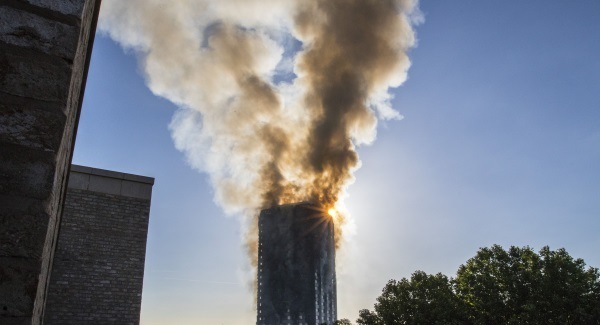
ANY link between the Grenfell inferno — at least 58 dead — and a black plastic bag made by a company that has not existed since 1956 being unearthed, in pristine condition, on a beach may seem tenuous. 

Plastics and pollution: Cut careless usage to avert threat

However, both events speak to a theme that epitomises the great, anti-democratic shift in power in societies everywhere — what happens when regulations designed to protect people or the environment are deliberately inadequate or just ignored? What happens when commercial interests prevail over all other interests?

That question was answered in London last week. That tragedy, an avoidable consequence of a cold indifference to the safety of Grenfell residents, was exacerbated yesterday when Britain’s Chancellor of the Exchequer, Philip Hammond, said the cladding used at Grenfell, the material blamed for spreading the blaze, is banned in Britain. If it is banned, how was it used so recently and so extensively? That type of cladding is manufactured — and used — in Ireland.

Efforts to ban it, or to remove it from homes, will meet with opposition from those whose profit margins will be hit when this material is, as it must be, banned. Just as the tobacco, the sugar, the alcohol, the farm, and social media lobbies have been successful in delaying legislation designed to protect consumers from the worst consequences of their activities, those who make money by using this cladding will send out the for-hire-for-any-cause spin doctors to do their dirty work. Our politicians will be bombarded; some will capitulate.

As we report today, we are at that point with plastics — the industry that produced a black plastic bag more than 60 years ago, one that showed no sign of deterioration when it was dug up recently on a Wicklow beach. And, as the angry response of the Grenfell survivors whose warnings about unsafe homes were dismissed for so very long shows a Rubicon has been crossed. Grenfell may have been the straw that broke the camel’s back but the election humiliation of Theresa May’s Tories shows that citizens — consumers — have a new-found sense of outrage provoked by being sidelined for so long by corporate politics. Anyone who used the wonderful weather of recent days to visit a beach will be able to confirm that plastics are a pollution cancer of our time. Every beach is littered with the plastic detritus of our lives. Yet we use the material without a thought, without even the slightest flicker of conscience. This carelessness learned over generations, has led to the pollution caused by the barely visible ‘microplastic’ — tiny particles of plastic or microfibres from synthetic clothing and microbeads from facial scrubs and toothpaste washed down the sink. Science is only beginning to appreciate how dangerous this indestructible sludge, and the bacteria that attaches to it, really are.

The Grenfell victims died within hours of the fire starting but the plastics plague will take longer to have its deadly impact. We should not, like London’s officials, ignore these warnings. We should do all we can to dramatically reduce the amount of plastic we use, especially in disposable packaging. Banning disposable shopping bags was a good first step but we need to do far, far more and before it is too late.

More in this section

Revoiced

Newsletter

Had a busy week? Sign up for some of the best reads from the week gone by. Selected just for you.

Cookie Policy Privacy Policy Brand Safety FAQ Help Contact Us Terms and Conditions

© Examiner Echo Group Limited