Decriminalising drugs would solve many problems
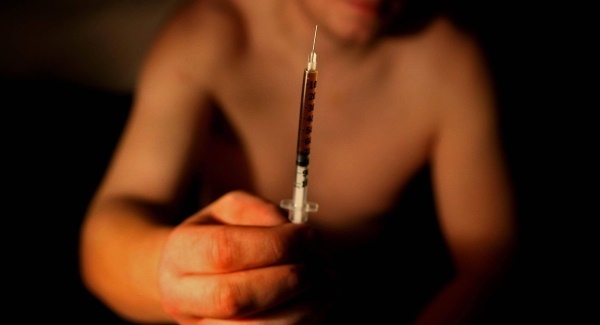
In Portugal, where all drugs were decriminalised in 2001, drug related deaths are the lowest in Europe. Suzanne Harrington reckons decriminalisation would be a good thing.

Decriminalising drugs would solve many problems

Outside a coffee shop, there is shouting. Male voices, getting louder. Three men come into view — two trying to grab a bicycle from a third. They are shouting that he has stolen their bike. Except they are homeless addicts and the third guy is a bicycle courier, so visually the story doesn’t add up. Meanwhile, they are starting to throw half-hearted punches. It’s not even ten in the morning, on a busy city street. Nobody intervenes, but lots of people stand around, watching.

The situation changes when a menopausal lady in yoga pants marches over and gets involved. (People tend not to punch menopausal ladies). Once a woman is there, male bystanders join in too, and the bike courier grabs his bike from the ground and cycles off, yelling “junkie scum” over his shoulder. The addicts shuffle off, hollow-eyed, in search of another bike.

Drug addicts steal bikes and handbags and shoplift and burgle your house because they are addicted to drugs that they cannot buy safely in the off-licence or supermarket or down the pub. These drugs are available only on the black market at massively inflated prices, trafficked by dodgy people.

An expensive heroin habit is only expensive because it is not available with a prescription over the counter, uncut with brick dust or laxatives or worse. Yet we are taught to fear and despise drug addicts as we sit in the pub supping our legal drug, which seems a bit random. It’s not like the legal one — alcohol — is morally superior. Just ask any A&E worker.

Being a drug addict in a society where drug addiction is criminalised and results in criminal behaviour to ward off withdrawal — we’ve all seen Trainspotting — doesn’t work for anybody (except maybe the alcohol industry). In Portugal, where all drugs were decriminalised in 2001, drug related deaths are the lowest in Europe — 3 per million, rather than the EU average of 17 per million. In Ireland it’s almost 60 people per million, one of the highest rates.

A 78-year-old friend of mine, who hung out with the beautiful people in 1960s London, is a former heroin addict. She remembers when you could register your addiction with a doctor, and get what you needed on prescription in a pharmacy.

This meant she did not have to spend her entire life finding excessive amounts of cash by any means necessary to stave off withdrawal. She held down a job and stayed relatively healthy, before this civilised option was revoked in the early 1970s. Unlike many, she could afford rehab.

My friend is alive, healthy and well. She has never stolen a bike — or anything else — in her life. Yet half a century later, we continue with our medieval attitude towards addiction as a crime instead of an illness, reducing people to ‘junkie scum’ compelled to steal bikes and handbags. Decriminalise all drugs, and this will stop. Duh.

More in this section

Revoiced

Newsletter

Sign up to the best reads of the week from irishexaminer.com selected just for you.

Cookie Policy Privacy Policy Brand Safety FAQ Help Contact Us Terms and Conditions

© Examiner Echo Group Limited