The fuel protesters have the crowds. But do they have a political future?
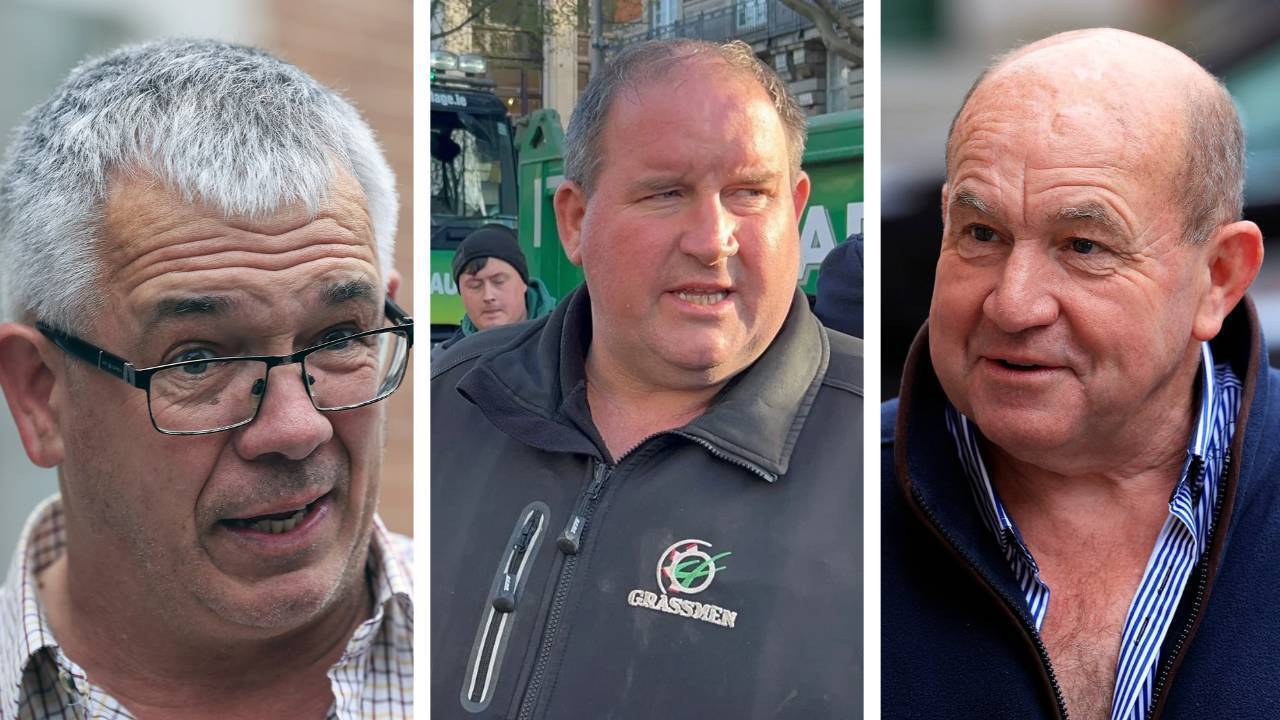
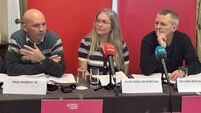
Three of the leaders of the fuel protests: James Geoghegan, Christopher Duffy, and John Dallon. Pictures: PA
Any political party would be lucky to get 1,000 people at a political rally on a Sunday evening.
In fact, any of them would be lucky to get 1,000 at an annual ard fheis.
Yet a disparate group of protesters managed to gather a huge crowd at The Well, Moate, Co Westmeath, last Sunday, to discuss fuel costs ahead of Tuesday’s budget.
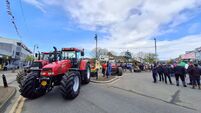
Because, as we saw during the fuel protests in April, when people grow frustrated with politicians and lobby groups, they seek solace and answers from everyday people, perceived to be like them, who can offer any kind of alternative.
But does the alternative they are looking for actually exist?
While they are not an official political party, Christopher Duffy, John Dallon, and James Geoghegan have been building an accidental political movement since April when their protests against the rising cost of fuel took over the country.
None of the men has expressed interest in seeking elected office. But by becoming spokesmen for their movement, their status stuck, and they are now being looked at as leaders by a growing number of people.
The big question is, do they want to capitalise on this?
Read More
There are several ways of assessing how poorly the Government handled the fuel protests and the weeks leading up to it.
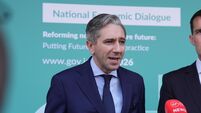
Taoiseach Micheál Martin, Tánaiste Simon Harris, and senior ministers spent several weeks drip-feeding the idea that supports were on the way.
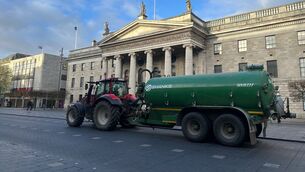
However, we only saw a support scheme set up once motorways were blocked, petrol pumps were drying up, and oil refineries came close to turning oil away as their gates were blocked.
It gave the impression that the Government would only react in panic, despite the insistence that the plans were already in the works.
Others criticised the Government for not engaging with the protesters. Mr Martin repeatedly said that he and others would engage with the representative groups who had a mandate to represent their industries.
While some people welcomed this move, others questioned why these people — who claimed to be representing large swathes of the public — were being ignored.
Justice minister Jim O’Callaghan found himself in further hot water when he threatened to send the army out to clear the protesters — and they did not send them out.
It also reflected a broader frustration with a Government that, by the end of its term, will have been in power for a decade.
In the next election, Fine Gael will be going to the electorate seeking to bring its reign to 23 years.
The mistakes of the fuel protests led to Fianna Fáil dropping two points in the opinion polls, falling from 19% in April to 17% in May.
This fell to 16% in August, but increased to 17% in the most recent Ireland Thinks poll.
Fine Gael did not appear to be damaged by the affair at all. Its polling was initially unchanged after the protests but then rose from 17% in April to 20% in July.
Sinn Féin, the main opposition party, which should have benefited from such an anti-Government protest, was tarred as an establishment party. It dropped from 22% to 20% between April and May, falling to 19% in June.
Independent Ireland’s support spiked by three points to 9% in May but has fallen back to 7%.
Once the anger over the fuel protests was forgotten, the parties all largely bounced back to their prior support levels.
Has a sense of Stockholm Syndrome kicked in? Is there a feeling that while Government cannot fix anything, no other political party can either?
In Moate, one man had a suggestion.
“Why can all these Independents not come together and call a vote of no confidence in the Government and put them out to fuck?” one speaker from the floor questioned.
“It suits the people of this country, and we vote for them.”
But, given that half of the Independent TDs in the Dáil are in Government, this will not be the manna from heaven this group is looking for.
The ’s Rural Ireland Thinks poll found that two-thirds of people living in rural Ireland believe Independent TDs represent them best.
But do the Independent TDs they are seeking out exist?
There is a window for the Dallon/Duff/Geoghegan trio if they want it, but is their prospective manifesto too narrow?
While they are attempting to focus on fuel, some outside factors sought to turn Moate into a catch-all disparate event for anyone with any grievances against the Government, including immigration.
The Government was accused of being “traitors”. The politician who got the warmest applause was Independent Dublin City councillor Gavin Pepper, with Mr Duffy joking that he had had to explain to him what a tractor was.
The fact that other topics are being dragged into the fuel debate is why industry representatives are not concerned about the fuel protest group.
“They had a cohort of everybody at that meeting, from the general public to pensioners, to people from the far right who wanted Ireland for the Irish and so forth,” one source told the .
Frustrated civilians turning to alternatives when they lose faith in the political system is not uncommon and is happening across the world.
In recent weeks, the far-right Alternative for Germany (AfD) party won several elections across the country — as dissatisfaction with the federal government, run by Friedrich Merz, rises, and growing concerns about immigration continue.
In the US, Donald Trump became president not once, but twice, on a pledge of “Making America Great Again”, capitalising on votes from those in the Rust Belt states who were watching their industries and factories dying before their very eyes.
All were stepping in to fill a political vacuum that was begging to be filled by those fed up with the political establishment.
But the Dallon-Duffy-Geoghegan trifecta does not have the same level of organisation and does not seem to have a desire to seek political office.
One politician at the event said that if the group set up a political party, they would have “10,000 members overnight”.
But that does not seem to be on the cards.
While people’s trust in Government is clearly shot, is there any existing alternative for them to turn to?
It will be up to another group to step in to fill the vacuum. Who that is remains unclear.
- Louise Burne, Political Correspondent


CONNECT WITH US TODAY



Be the first to know the latest news and updates