Political winners and losers: Who rose and fell in Irish politics this year
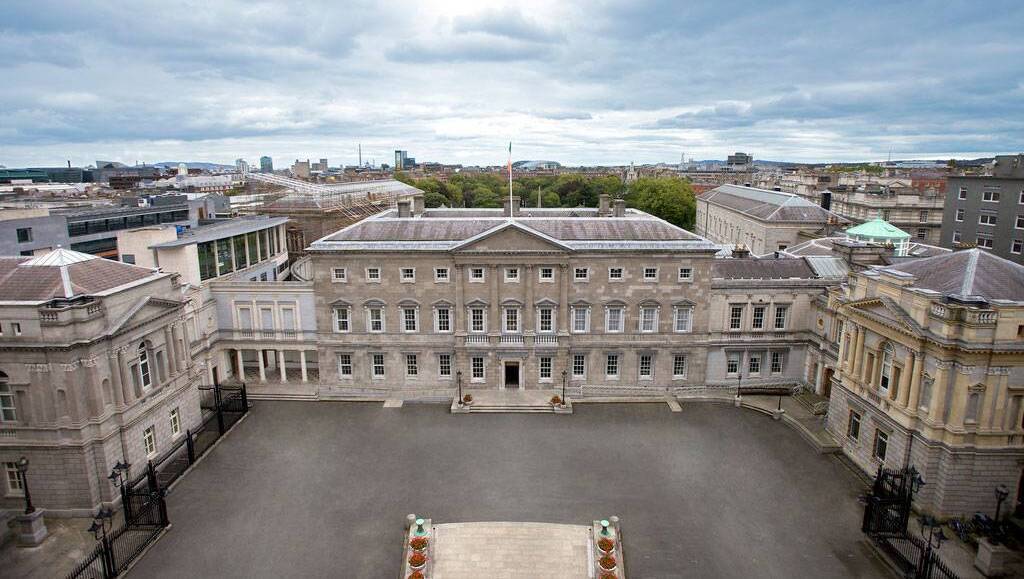
Who won and who lost in Irish politics? Paul Hosford assesses the biggest movers, shakers and setbacks of the year. File Picture
As health minister, Ms Carroll MacNeill has been active and, as importantly, has looked to the public as if she is active, appearing to be hands-on with issues like ED overcrowding and the National Children's Hospital.
While some of what she is doing was in train before her arrival in office 18 months ago, she has marshalled the public perception of health skillfully and has taken a real step up in the public mind to go along with her higher office.
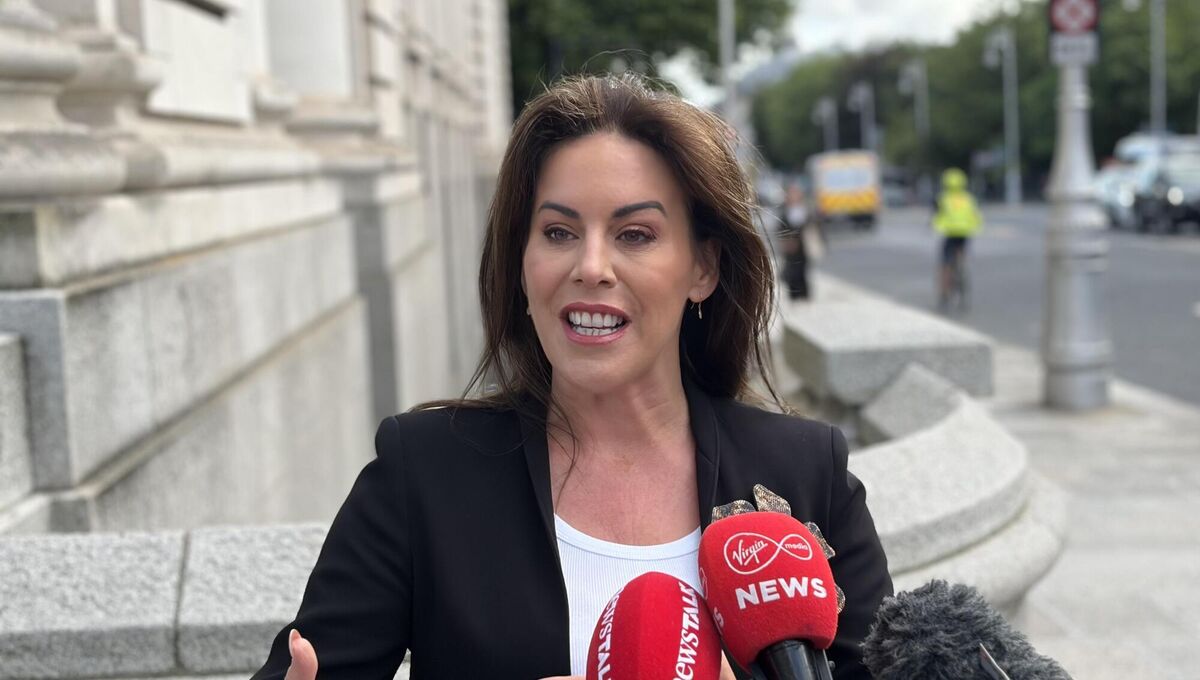
But it is within her party where Ms Carroll MacNeill's increased profile has been noticed. While nobody is preparing a move against Simon Harris, the Dún Laoghaire TD has separated herself from the pack if a vacancy were to arrive.
She has previously told this paper she was "never going to say no" when asked if she had an aspiration of becoming Fine Gael leader some day, and is considered within the party to have at least one eye on the role. Insiders say her recent turn has "done her no harm" in that regard.
The party welcomed Eoin Hayes back to the fold in September, though only after he apologised for a photo of him as a student in blackface, and added another TD to its ranks in May when Daniel Ennis won the Dublin Central by-election. Mr Ennis's victory saw a man elected first to Dublin City Council in 2024 He topped the poll and beat Sinn Féin's Janice Boylan by more than 4,000 votes.
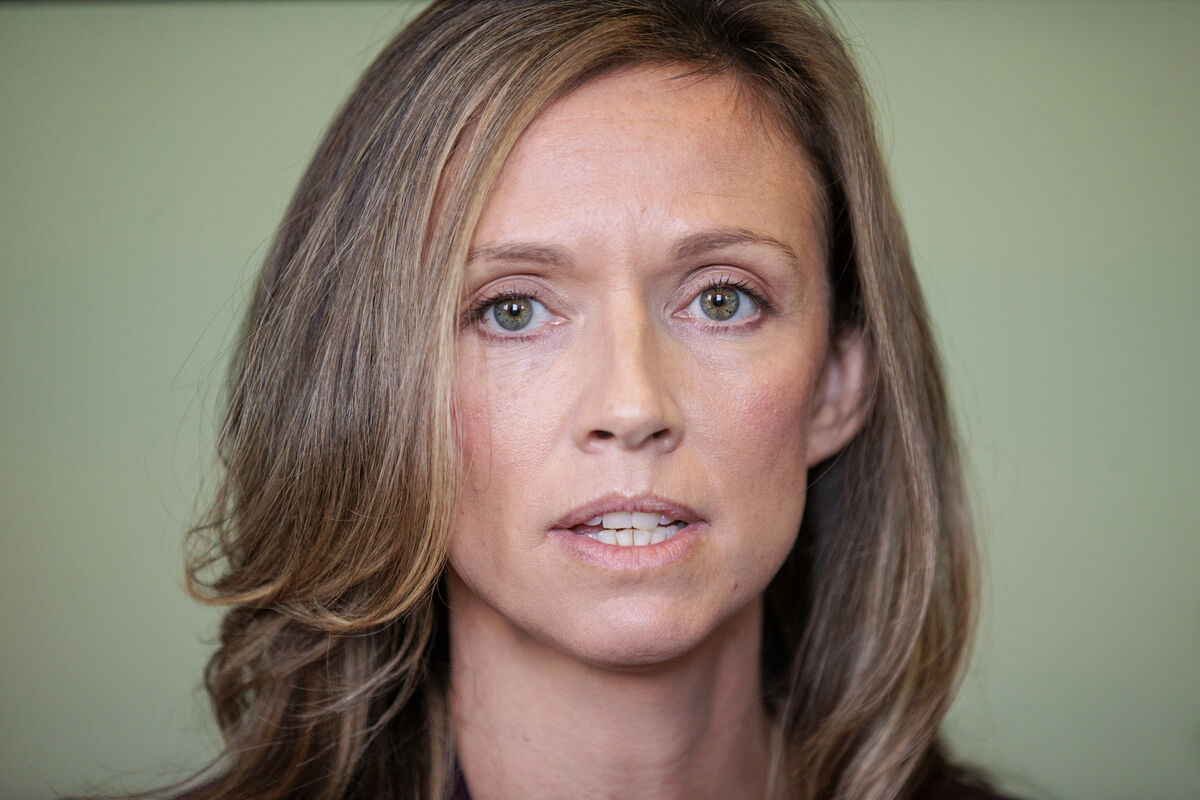
It showed there was an appeal from across the political spectrum for Holly Cairns' party as Mr Ennis pulled transfers from across the board.
In the Dáil, Ms Cairns has been at her strongest when focusing on social issues and has been frequently involved in clashes with Taoiseach Micheál Martin, most notably recently on the issue on the Bessborough Mother and Baby Home.
A recent poll showed Ms Cairns, the Social Democrats TD for Cork South West, has an approval rate of 40% and is the most popular leader in the country. The party was also the first out to support Catherine Connolly's bid for president and benefited by being closely associated to the campaign.
Five years ago, Dara Calleary's tenure in Cabinet was over after just 37 days, resigning over his attendance at the now-infamous Oireachtas Golf Society dinner in Galway.
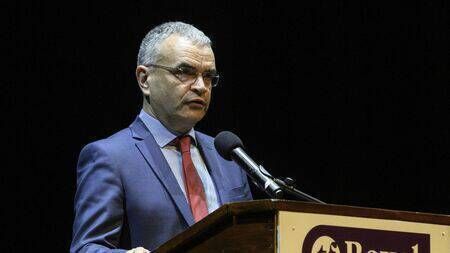
Having been overlooked at the beginning of that government, his elevation and quick resignation appeared to be a major blow to a bright political career. But after serving two years out of ministerial office, he was back as junior finance minister and was returned to Cabinet in 2024 as a super-junior minister.
Since his return to the senior ministerial ranks as social protection minister, Mr Calleary has gone about his work in a fairly quiet and understated way. While that has been helped by social protection budgets being increased, it has also won many admirers across the coalition to the point where at least seven TDs picked him as their preferred candidate to succeed Taoiseach Micheál Martin when the time comes.
Mr Calleary will downplay any leadership ambitions in public and is not thought to be actively lobbying for the role, but the fact his name is being mentioned in the same breath as the leadership of the country is testament to the work that has been done by Mr Calleary, albeit quietly.
When then-Sinn Féin TD Imelda Munster announced she would not run again, Joanna Byrne was seen as the natural successor. Having spent eight years as a councillor in the Drogheda area, she was well known locally for her role as the chair of the Drogheda United football club.
This year, as she was finding her feet as the party's spokesperson on media, communication and sport, the team's owner The Trivela Group removed her from her role as co-chairperson at the club. Ms Byrne had claimed she was asked to resign due to her calling on the FAI to boycott the Nations League games against Israel later this year. The removal has not, however, deterred Ms Byrne in that campaign or her work on the Oireachtas Media Committee.
Speaking ahead of a Sinn Féin motion on the match, she said her party wants “this game stopped” and a move to a neutral venue would not be sufficient. “We don’t want it moved, whether the game is played in Hungary or Timbuktu. It’s just really kicking the can down the road."
As protests popped up across the country in response to rising fuel prices, politics was thrown into a bit of a flux. While the movement had largely been non-political, leadership sprung up from different sources across the country, but two parties found particular success in appearing linked with the protests.
In Limerick, where the Foynes port was blockaded for a number of days, Independent Ireland TD Richard O'Donoghue was alongside the leaders and spoke to the media on a number of occasions while Cllr Noel Thomas was visible in Galway.
It was, however, something the party's leader wasn't necessarily taking credit for, with Michael Collins saying at the party's conference that "accusations of us being part of any blockades were totally and utterly wrong".
"We were there peacefully to find a solution. Unfortunately, some people are angered by that because they stood idly by while people suffer," Mr Collins said.
Likewise, Áontú's Peadar Tóibín became inextricably linked with the cause, popping up on media and at protests.
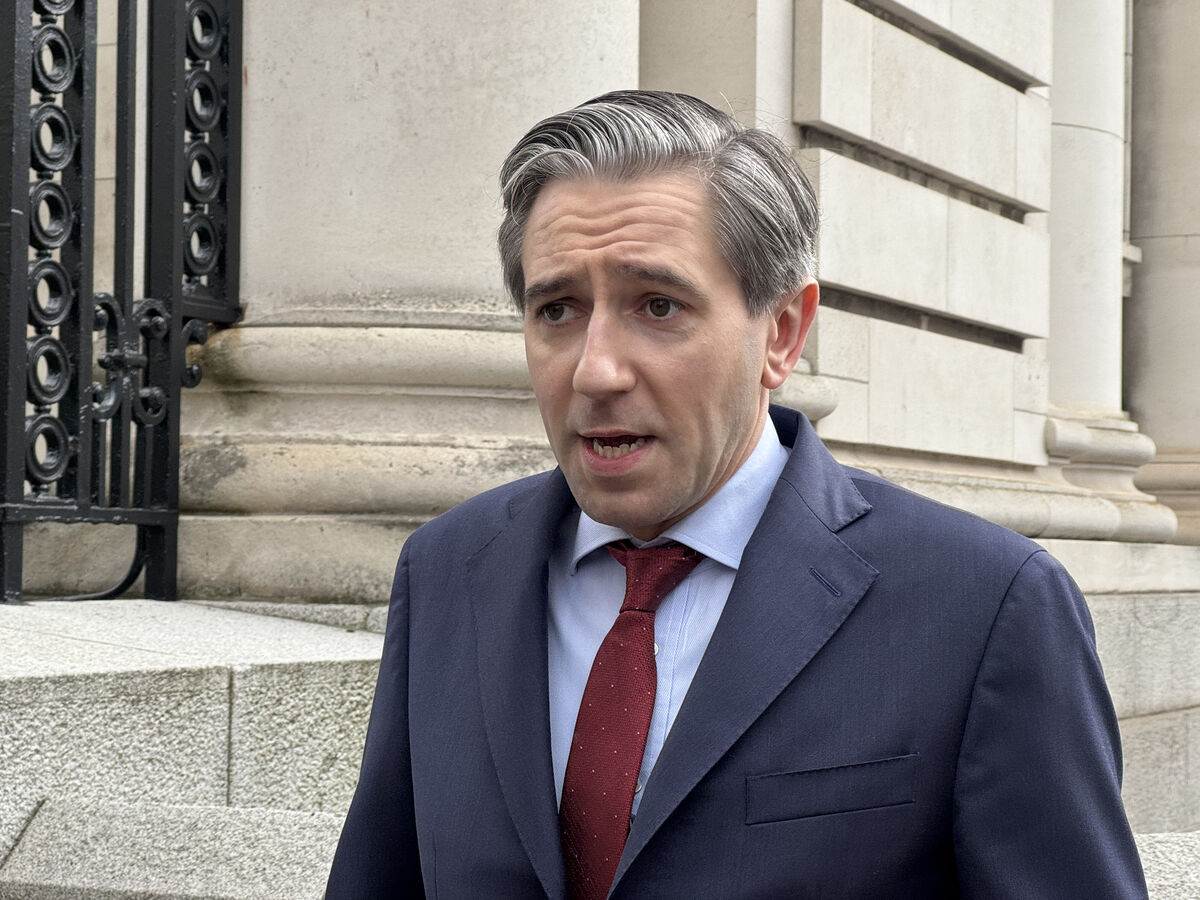
Some may argue with this pick. But Fine Gael is now the most popular party in the country. It has increased its support by one percentage point to 20% according to the most recent opinion poll.
The party also retained its number of Dáil seats after losing Paschal Donohoe to the World Bank, but seeing Seán Kyne win the Galway West by-election. Mr Harris's time as finance minister can't really be judged without at least a budget under his belt, but as party leader he has had a good few months to carry him into the summer.
At the beginning of the Dáil term, Michael Healy-Rae was junior forestry minister having made the decision to join the coalition government. But trouble was waiting around the corner in the shape of fuel protests which prompted Michael to resign from his junior ministry at the Department of Agriculture in April during a motion of no confidence in the Government.
The day before the vote, Danny Healy-Rae called on Fianna Fáil and Fine Gael backbenchers to remove Taoiseach Micheál Martin and Tánaiste Simon Harris, while refusing to state whether he would support the Government during a Radio Kerry interview.
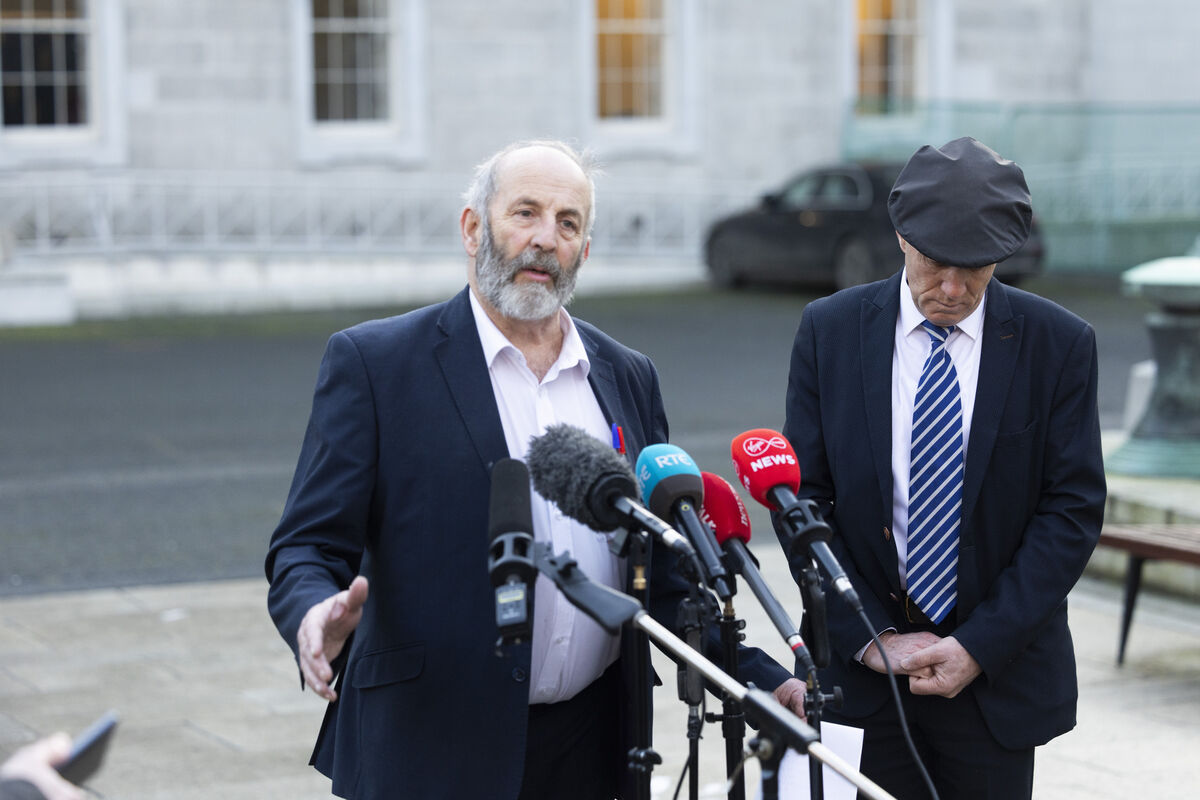
The Taoiseach declined to give assurances that Michael Healy-Rae’s ministerial role would be protected if Danny voted against the coalition. During an explosive interview on Radio Kerry, Michael confirmed there had been a “two-for-one” deal between the Healy-Raes and the Taoiseach and Tánaiste.
“We were on a ship. Did I jump overboard?” Michael said. “I didn't jump over any board; I was pulled overboard. It was always the situation that the Healy-Raes agreed the two of us gave our word to two other men, and that was the Taoiseach and the Tánaiste."
Danny would say "Team Healy-Rae" remains intact but the faultlines have been exposed.
While both parties were well positioned to benefit from any latent anger towards the Government ensuing from the fuel price protests, both suffered disappointments in subsequent by-elections.
For Áontú, Ian Noel Smyth took just 2% of the vote in Dublin Central, while Orla Nugent took 2.4% in Galway West. Both were below the party's 3.9% in the 2024 general election and neither candidate made much of a splash.
Independent Ireland did not contest in Dublin but will be disappointed for a completely different reason. Cllr Noel Thomas topped the poll but missed out on a seat, having been overtaken on transfers by Seán Kyne. The party is unlikely to have such a confluence of factors again — well-known candidate, wide constituency and national anger from the protests — and not getting Mr Thomas over the line will have been a blow.
The Sinn Féin leader was quick to snuff out talk of a heave against her before the party's ard fheis in April, but it was the first time in her eight-year tenure as Úachtaráin Sinn Féin that there had ever been even the murmur of discontent.
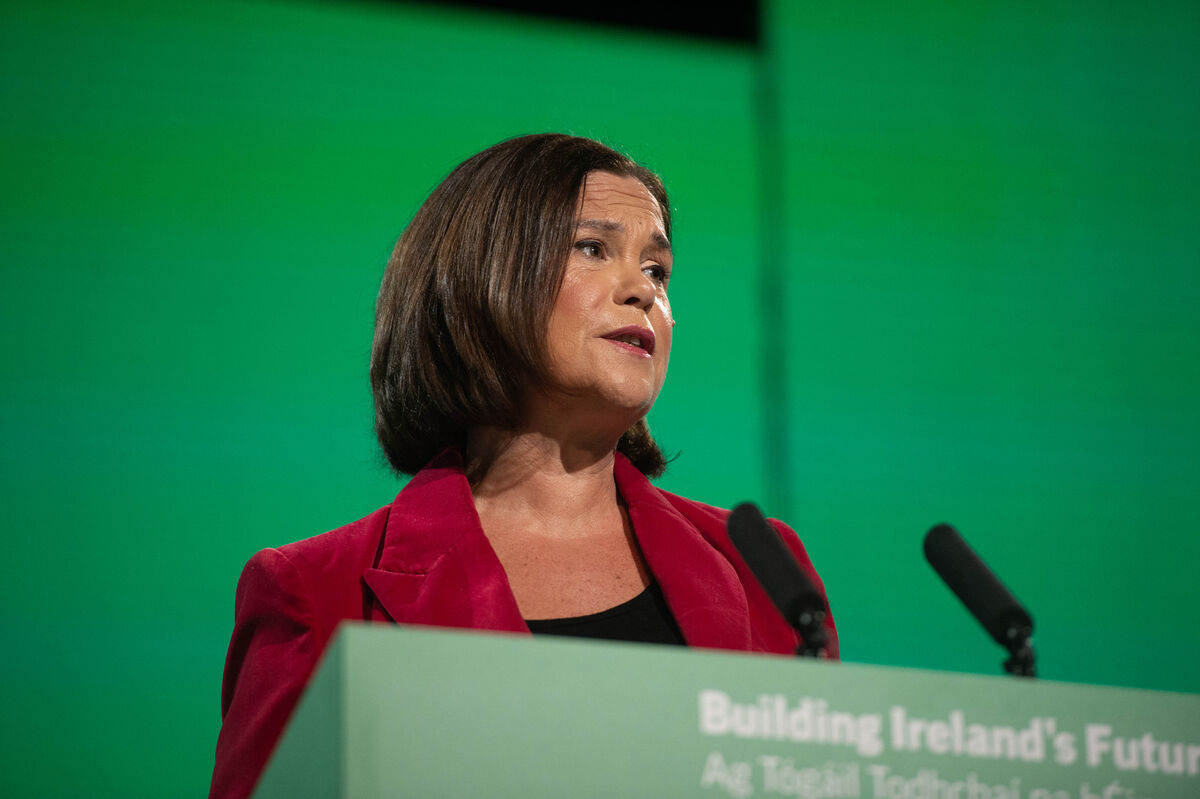
At the Sinn Féin ard fheis in Belfast, Ms McDonald insisted she would lead the party into the next general election and retains the support of members.
Division within her party on fox hunting and hare-coursing have provided uncomfortable moments, but it was the Dublin Central by-election which will have disappointed most. In Ms McDonald's own constituency, she failed to secure selection for her preferred candidate, Gillian Sheratt, for the ballot.
Read More
While she and party councillor Janice Boylan campaigned well and largely held the party's vote share, missing out on a seat was a blow, especially given the seat went to the left. Asked whether she personally felt under pressure, she replied: “I feel under no pressure whatsoever. Pressure is for tyres."
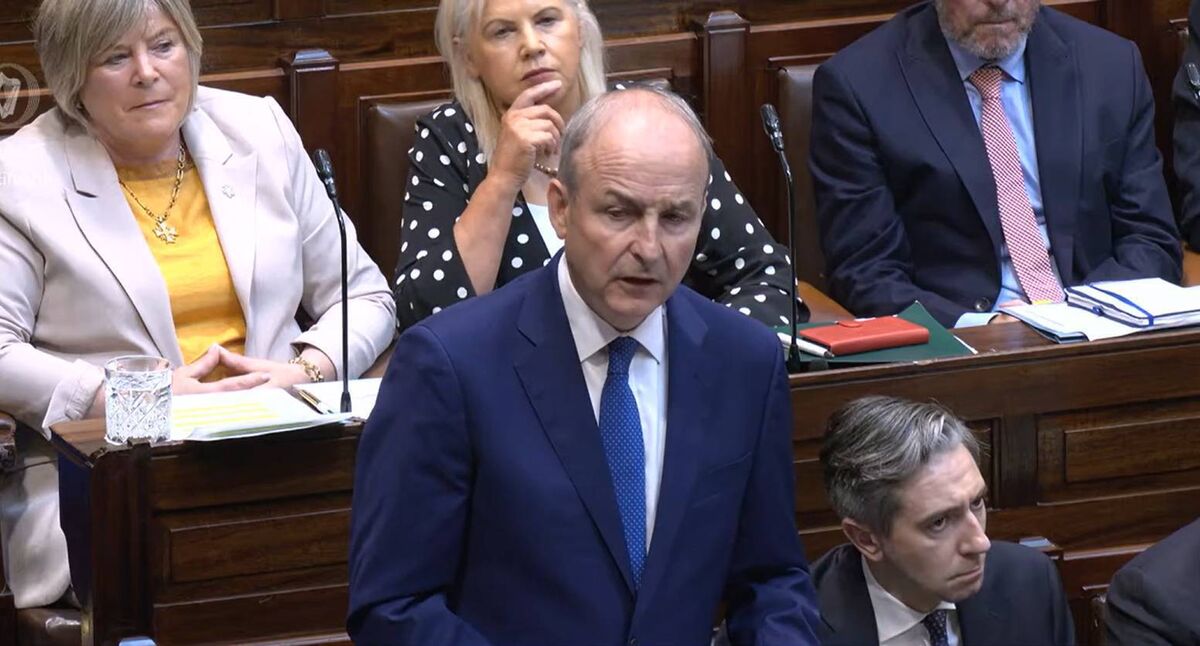
Having seen the Jim Gavin debacle come and go without any concrete moves against Micheál Martin, the fuel protests gave the disgruntled among Fianna Fáil another chance to topple their leader. Despite "more appetite than ever" for Mr Martin to leave, there was no move in April.
On top of that, a letter signed by young TDs James O’Connor, Albert Dolan, and Ryan O’Meara caused significant anger in some quarters of Fianna Fáil, as it was branded a “solo run” and “premature” by colleagues within the party.
Despite this, senior Fianna Fáil TDs Seán Ó Fearghaíl and Pádraig O’Sullivan, and Senator Anne Rabbitte said following the letter, they were requesting an “urgent meeting of the parliamentary party”.
At that meeting, Mr Martin told TDs and senators that "none of us are perfect" and there "is always space for all of us to do better", though he still insists he will be at the helm at the next election.
Having been promoted to Cabinet in November, Ms Naughton quickly saw herself dragged into a controversy over a "botched" review of how special needs assistants are allocated, which caused uproar among parents and educators.
While the Galway woman was quick to point out the National Council for Special Education had sent the letters, she was the political face of the issue.
She then faced internal government criticism over a supplementary payment of €646m to her department, which has led to other departments seeing their budgets trimmed. Although the figure is to cover additional special needs classes, it was another issue for which Ms Naughton was asked to answer.
- Paul Hosford is Deputy Political Editor.

CONNECT WITH US TODAY



Be the first to know the latest news and updates