Holiday plans at risk? What Irish travellers need to know about flight disruption
Here, we break down the latest situation and outline your options if you face disruption. Picture: PA
With airlines across Europe responding to the fuel crisis, Irish households planning holidays may be wondering whether their summer trips will go ahead.
Here, we break down the latest situation and outline your options if you face disruption.
Well, don’t panic just yet — but keep an eye on developments.
With disruption arising from the ongoing US-Israel war with Iran, affecting passage through the crucial oil shipping lane, the Strait of Hormuz, the cost of oil is rising, jet fuel is becoming more scarce, and airlines are adjusting schedules.
Some airlines have already begun cancelling flights.
Lufthansa is among them, removing 20,000 flights from its schedule through to October, with routes linking Cork and Frankfurt among those affected.
Aer Lingus is also cutting flights, but has attributed this to maintenance delays rather than the fuel crisis.
Ryanair, meanwhile, is reducing planned flights from Dublin this summer, with capacity expected to remain at last year’s levels. It has cited the passenger cap at Dublin Airport rather than fuel concerns.
In all cases, passengers are advised to check directly with their airline regarding existing bookings.
However, the longer the crisis in the Middle East continues, the more uncertain summer schedules may become.
Read More
Ireland’s Competition and Consumer Protection Commission (CCPC) provides clear guidance for consumers if a flight is cancelled.
Passengers can choose between re-routing or reimbursement. Reimbursement must include the cost of the ticket and, where relevant, a return flight to the original airport of departure.
It goes on: “If the airline reimburses you without offering you re-routing, you are entitled to additional reimbursement for the price difference of the new ticket.
“You can choose re-routing at a time as close as possible to your original departure time, or at a later date. If you are re-routed to a different airport in the same city, the airline must pay for your transport to the original airport (or to another agreed place).”
In some cases, passengers may also be entitled to compensation — particularly if they are informed of the cancellation less than two weeks before departure. Compensation may also apply depending on revised departure times.
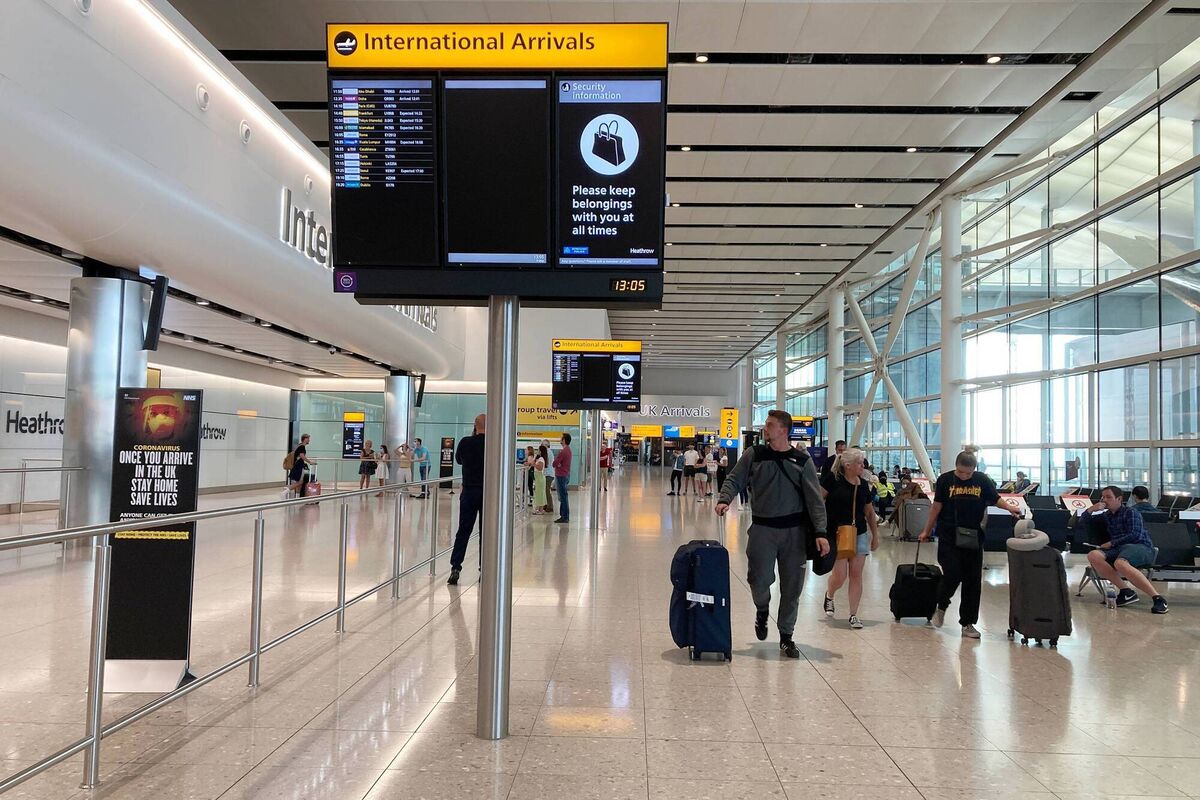
Travellers with insurance should check their policies to see what cover applies in the event of disruption.
The CCPC notes that consumers have enhanced protections when booking package holidays.
If the organiser makes a significant change or cancels the trip, they must offer one of the following: a replacement holiday of equivalent or superior quality, a lower-grade holiday with a refund of the difference, or a full refund.
“The organiser has the right to cancel a package holiday because of factors beyond their control,” the CCPC says. “If this happens, you are still entitled to a refund or a replacement package as set out above. It is up to you to negotiate with the organiser which option you would prefer.”
Consumers should also note that organisers can increase holiday prices more than three weeks before departure if fuel costs rise.
Travellers booking flights now may face higher prices than earlier in the year—and fares could rise further in the coming weeks.
There is also the possibility of additional cancellations depending on how the situation develops.
A campaign group has suggested that disruption to global oil supplies linked to the Iran conflict has added almost €90 to the cost of long-haul flights from Europe, and around €30 to short-haul flights.
Transport and Environment said its analysis compared prices on April 16 with those recorded before the conflict began on February 28.
Even so, travellers who book now remain covered by the consumer protections outlined by the CCPC.
The Government has said Ireland currently has a “very robust” reserve of jet fuel, with no immediate shortages expected.
“Prices will be a significant issue, I believe, with jet fuel in the short term,” Taoiseach Micheál Martin said last weekend.
“But when we spoke to NORA (the National Oil Reserve Agency) and its executives, they said to us that we do have 70 days reserves, but there are other challenges around jet fuel and the supply chain dimension to that.”

CONNECT WITH US TODAY



Be the first to know the latest news and updates