European airlines urge EU to enact emergency fuel measures
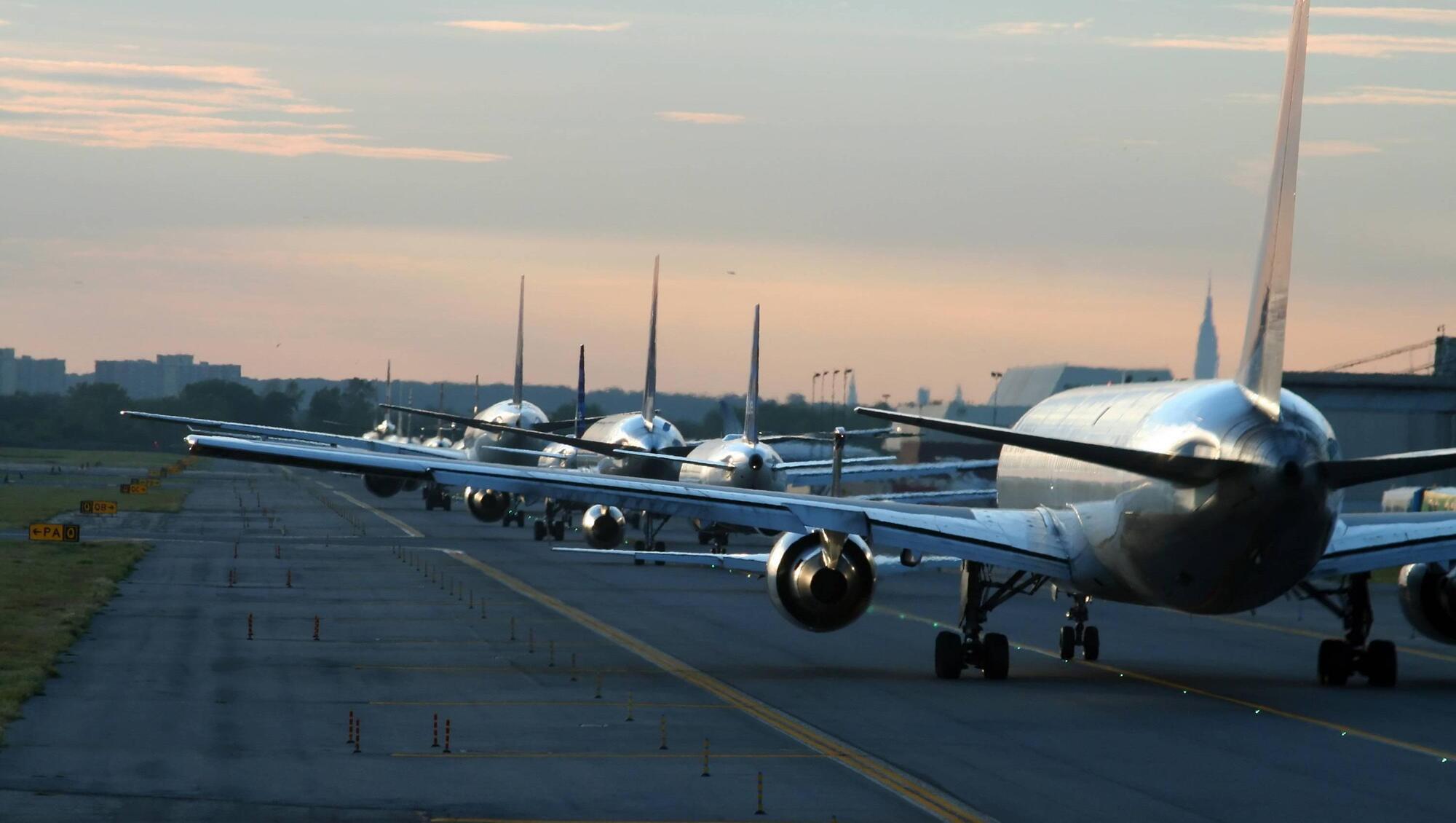
European airlines including Ryanair and Aer Lingus have urged the European Union to step in with emergency measures to tackle repercussions from the Iran war, including widespread airspace closures and mounting concerns over jet fuel shortages. Picture: Getty Images/iStockphoto
European airlines including Ryanair and Aer Lingus have urged the European Union to step in with emergency measures to tackle repercussions from the Iran war, including widespread airspace closures and mounting concerns over jet fuel shortages.
Industry group Airlines for Europe (A4E) has requested that the EU introduce a raft of crisis response measures, including EU-level monitoring of jet fuel supplies, a temporary suspension of the EU's carbon market for aviation, and scrapping certain aviation taxes.
The A4E document urged Brussels to consider joint EU purchasing of kerosene, which is a form of jet fuel. The EU introduced joint natural gas buying to attempt to shore up supplies, after Russia slashed gas deliveries to Europe in 2022. However, the model has not been applied to oil or kerosene so far.
Read More
The European Commission has said it will propose a package of measures on Wednesday April 22 to offset the fallout of the Iran war in energy markets, but has not confirmed if this will include specific measures on jet fuel. "There is no evidence for fuel shortage in the EU at present, but supply issues could occur in the near future," a Commission spokesperson told reporters in Brussels.
Air travel's worst crisis in years lurched deeper on Tuesday as Qantas warned of spiralling costs, Lufthansa said it may have to ground planes, and Virgin Atlantic flagged a looming supply crunch, with the Iran conflict squeezing fuel supplies.
Lufthansa has not yet grounded planes due to shortages but this "may be unavoidable" as kerosene availability is already critical at some airports.
"Kerosene will remain in short supply and therefore more expensive for the rest of the year," Mr Spohr told German newspaper Frankfurter Allgemeine Zeitung.
Major state-backed carriers in the Middle East including Emirates, Etihad Airways, flydubai, Qatar Airways, and Air Arabia saw flight numbers drop to near zero after the initial February 28 strikes by US and Israeli forces on Iran. With a two-week ceasefire in place, flight numbers from the UAE have slowly picked up since then, though they remain well below pre-conflict levels, data compiled by Flightradar24.com show.
The two-week ceasefire has provided little relief with the Strait of Hormuz still shut, removing roughly a fifth of global oil and liquefied natural gas supplies from the market and refineries will take time to repair damage inflicted on them.
"Despite the pause in the conflict we remain concerned about jet kerosene supply and price increase," UBS analyst Jarrod Castle said in a note on Tuesday, adding that December jet kerosene futures prices are still up more than 50% year-on-year.
Fuel, typically airlines' second-largest cost after labour, accounts for about 27% of operating expenses. Prices have more than doubled since the conflict began.
Virgin Atlantic CEO Corneel Koster said in an interview with the Financial Times that the airline has about six weeks of secure jet fuel supplies before the outlook gets more uncertain.
Several carriers, including SAS, are not hedged, leaving them fully exposed to soaring fuel costs. Delta Air Lines last week said its jet fuel bill this quarter would be some $2bn (€1.69bn) more than last year.
Reuters

CONNECT WITH US TODAY



Be the first to know the latest news and updates