Colin Sheridan: Children are no longer just caught in the crossfire of war — they are targets
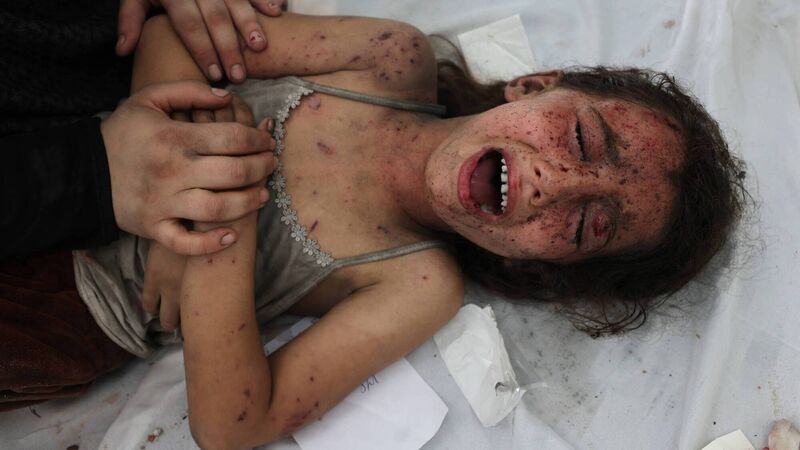
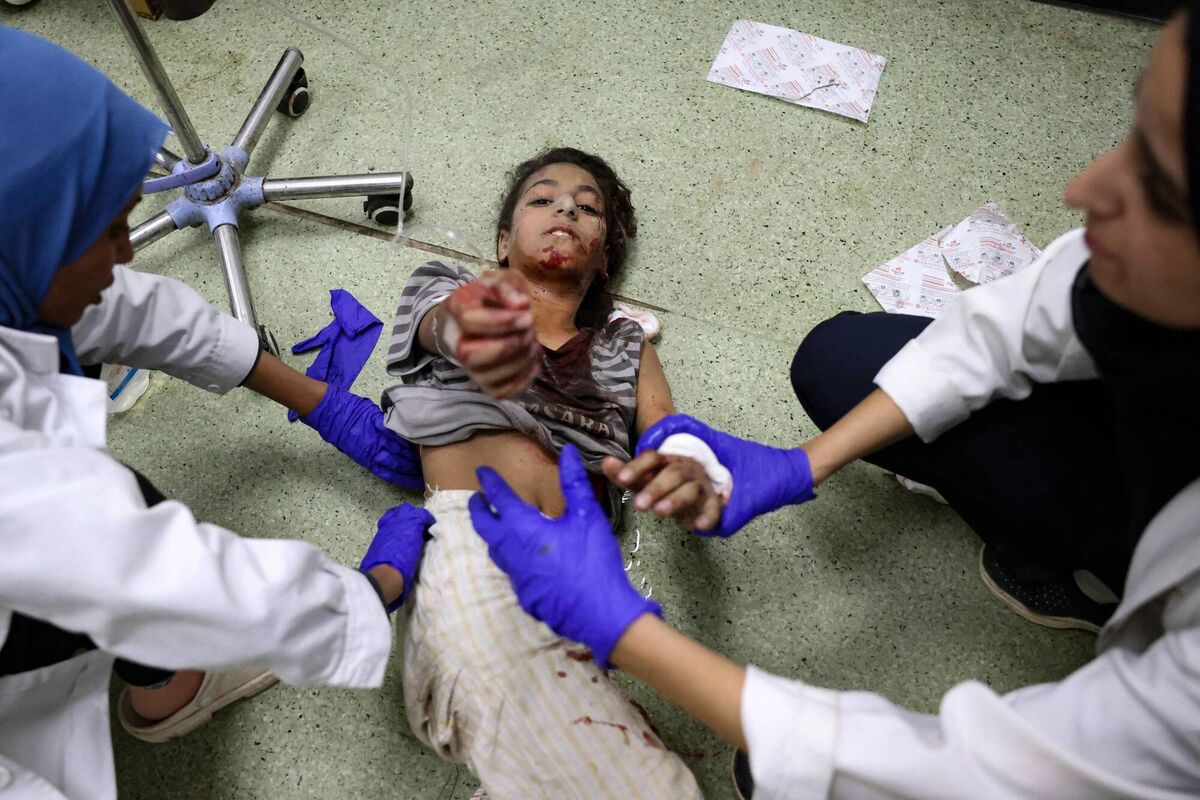
A young Palestinian girl has her hand held by a relative as a medic treats her wounds at a hospital following an Israeli air strike in Rafah. Photo: Mohammed Abed/AFP via Getty Images
In November 2023, as the burgeoning winter compounded the death and despair engulfing Gaza, the Israeli military raided Al Shifa hospital. Its stated aim was to root out Hamas operatives it claimed were operating within the facility.
Soldiers moved floor to floor. Doctors, nurses, and medics were rounded up and detained, forcibly prevented from tending to their patients. Those who could not move were left behind. Among them were at least 29 premature newborn babies.
Read More
Abandoned. Some lay in incubators that had lost power. Others were placed in makeshift containers — plastic tubs — where they lay cold and almost motionless.
When United Nations workers were eventually allowed to enter parts of the hospital, they moved room to room in silence, unsure of what they would find. When they came upon the babies, they did not know whether they were alive or dead. Some were only hours old.
They had no medical charts and no clear identities. Nor were there any surviving parents nearby to claim them. All of them needed medical attention. They existed in a liminal space — alive, but barely; documented, but not recorded; born, but not yet belonging.
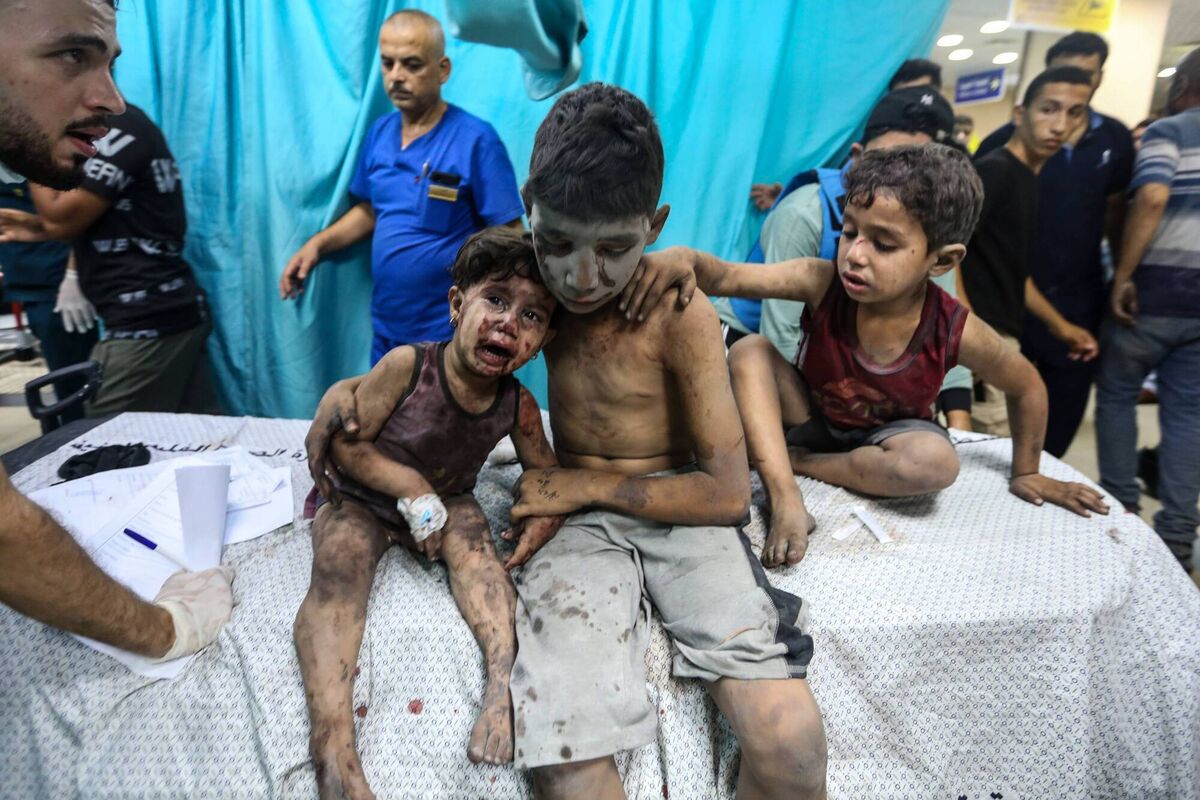
After heated negotiations, Israeli authorities “allowed” their evacuation. Eventually, the babies reached Cairo. But that fractured journey was only the first battle of many they would face.
If their parents were alive, they were not with them. If their parents were searching, they did not know where to look. These were children without names, without histories, and with very little hope.
Only eight of children have since been reunited with relatives — not always parents for reasons that need little imagination, but extended family, fragments of what once was, and what might have been.
One of the fortunate is two-and-a-half-year-old Bisan, reunited with her mother, Sundus al-Kurd, only last week. Most of us can barely survive our kids' first sleepover due to worry.
Sundus has spent two-and-a-half years wondering if the baby she barely held after birth was alive or dead, while also having to mourn the death of another daughter, Habiba, who was killed the day Bissan was born.
For every reunion like Bisan and Sundus, there are many more silences.
The story of those Al Shifa babies is not an anomaly, but a distillation. As Peter Power, Executive Director of UNICEF Ireland, puts it: “Children are not simply caught in the crossfire — they are disproportionately targeted, harmed and traumatised.”
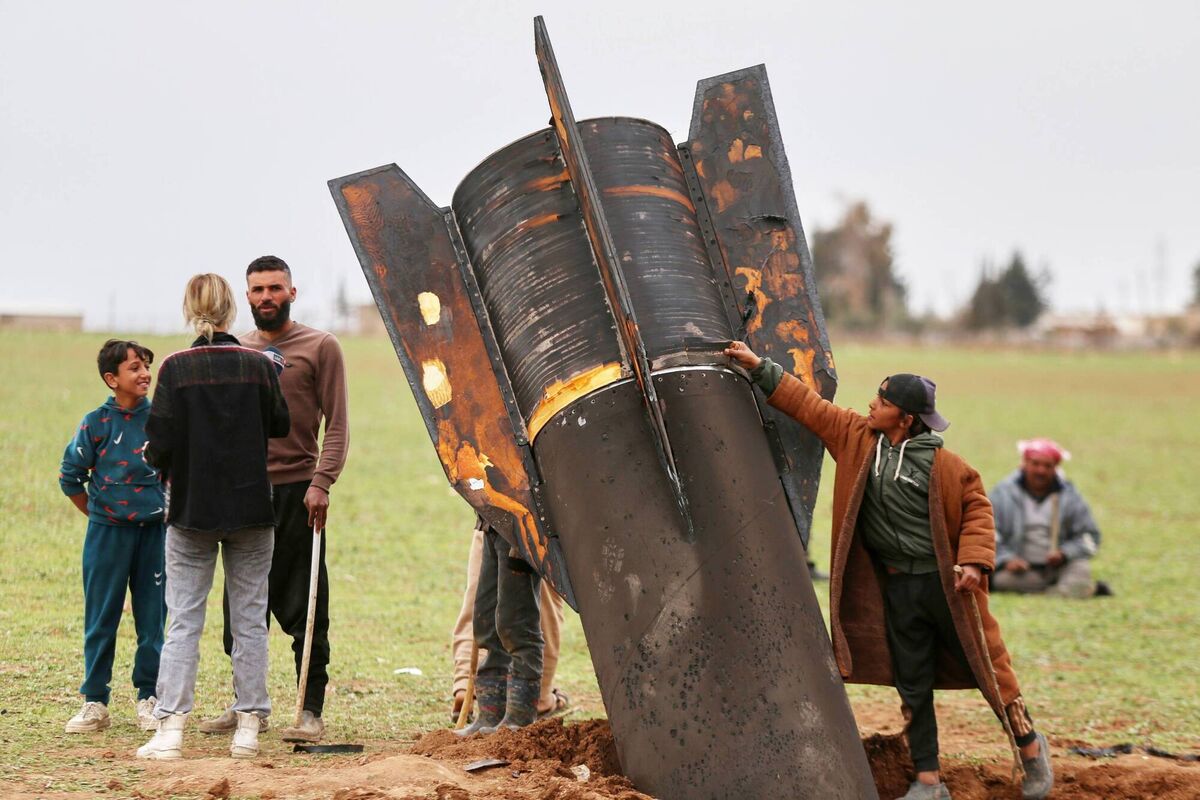
Across the world, this pattern repeats. Today, nearly one in five children globally — more than 473 million — live in conflict zones. War has become not an exception in childhood, but a defining condition of it.
The war in the Middle East has plunged millions of children into crisis. According to the UN agency for children, Unicef, more than 340 children have been killed and thousands injured since the US and Israel launched their attacks on Iran.
More than 1.1 million people, including nearly 400,000 children, have been forced to flee their homes by Israeli bombing and displacement orders in Lebanon, according to a Unicef assessment.
Nearly 90% of that total are living outside shelters, with many sleeping in the street.
According to the UN, by the end of 2025, Israeli forces had killed 72,289 Palestinians, including 21,283 children, who represented nearly 30% of all fatalities.
In the eastern Democratic Republic of Congo, decades of violence have created one of the largest populations of displaced children on Earth.
Armed groups recruit boys as soldiers and force girls into sexual slavery. Entire generations grow up knowing nothing but instability. Childhood, as a concept, becomes abstract.
In Myanmar, since the 2021 military coup, children have been killed in airstrikes, detained without due process, and used as leverage against dissident families.
Schools have been bombed. Education disrupted not as a by-product of conflict, but as a strategy.
In Sudan, millions of children have been displaced — many repeatedly — as violence follows them from place to place.
Aid agencies report children separated from families in the chaos of flight, some never to be reunited. Sexual violence is widespread, with even the youngest among its victims.
And in Syria, more than a decade after the war began, the consequences endure. Children born into conflict are now adolescents shaped entirely by it.
Many have never known consistent schooling, healthcare, or safety. War does not end when the fighting stops; it embeds itself in the architecture of a life.
“The destruction of homes, schools and hospitals strips children of the basic anchors they need to grow and feel safe,” Power says. What is lost is not only physical infrastructure, but the conditions that make childhood possible.
There is a tendency, particularly in distant societies, to view these crises in aggregate: numbers, statistics, geopolitical summaries. Tens of thousands displaced. Thousands killed. Millions in need of aid.
But children are not abstractions. They are not strategic variables or unfortunate by-products of necessary conflict.
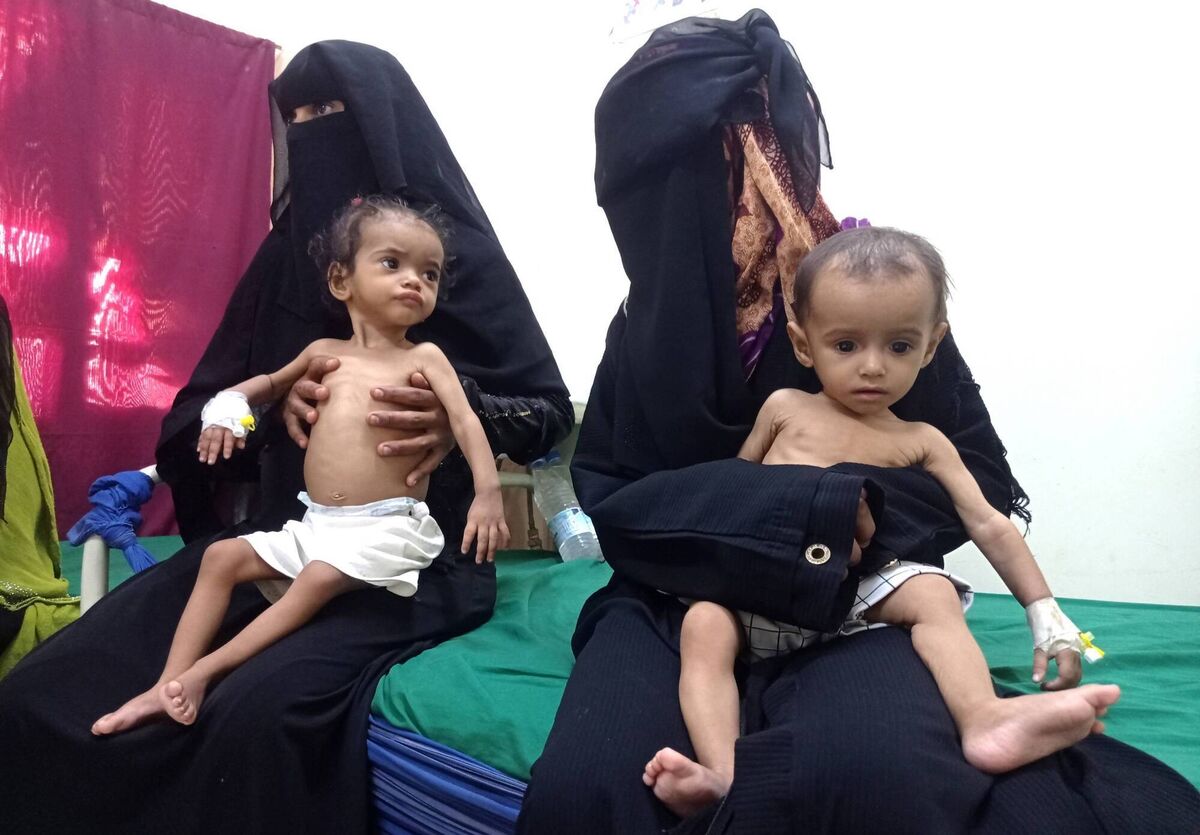
They are individuals at the very beginning of life, uniquely vulnerable to its disruption. When war touches them, it does not simply harm — it reshapes them entirely.
A malnourished child does not just suffer hunger; their development is permanently altered.
A traumatised child does not simply experience fear; their capacity to trust, to form relationships, to function in society is fundamentally affected.
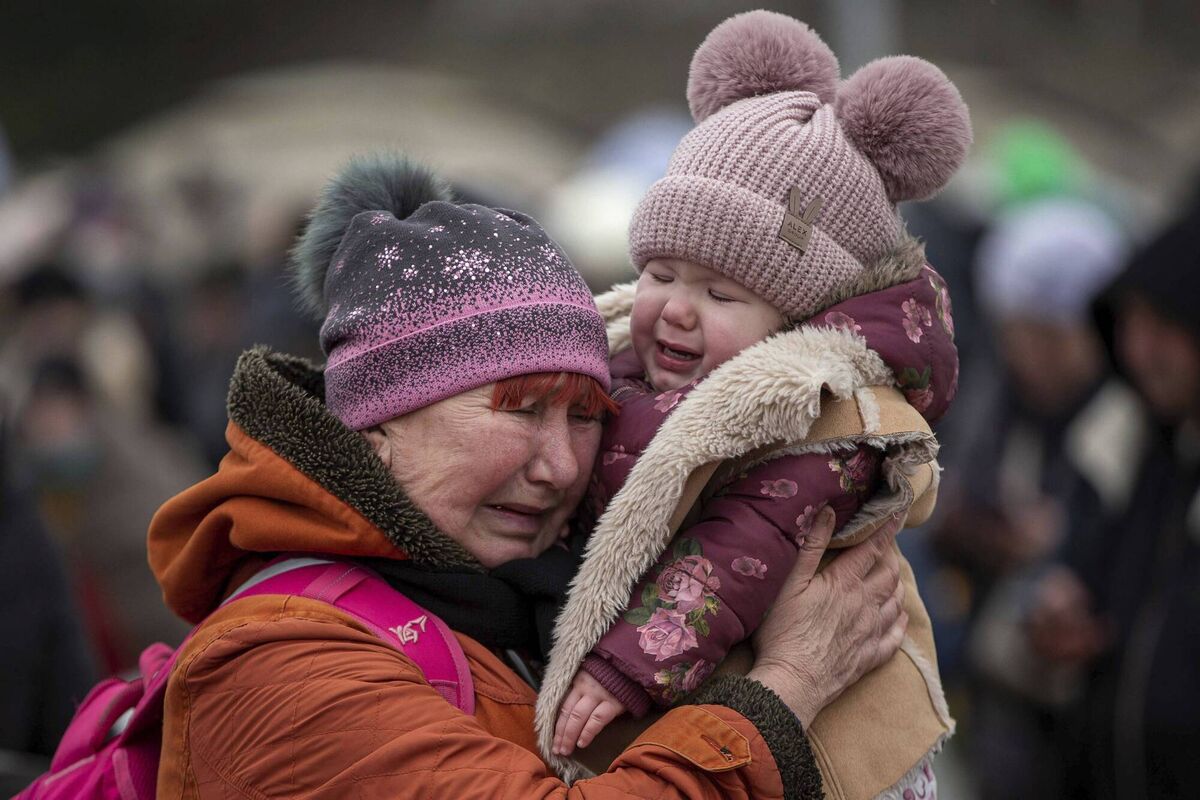
A displaced child does not only lose a home; they lose continuity — the foundation upon which identity is built.
War, in this sense, is not only about destruction. It is about distortion.
As Power explains, “the damage goes far beyond the immediate — malnutrition, trauma and loss of care can shape a child’s physical and cognitive development for life.”
Growing up without parents, without protection, without education — these are not temporary setbacks.
They are defining conditions. They shape a child’s future in ways that are extraordinarily difficult to reverse.
The language of international law recognises some of this. The Geneva Conventions, the UN Convention on the Rights of the Child — these frameworks exist because the world understands, at least in theory, that children require special protection.
Yet in practice, those protections are fragile.
Hospitals — like Al Shifa — are raided. Schools — like the Shajareh Tayyebeh school in Minab, southern Iran — are blown to smithereens. Aid is obstructed. Evacuations are delayed.
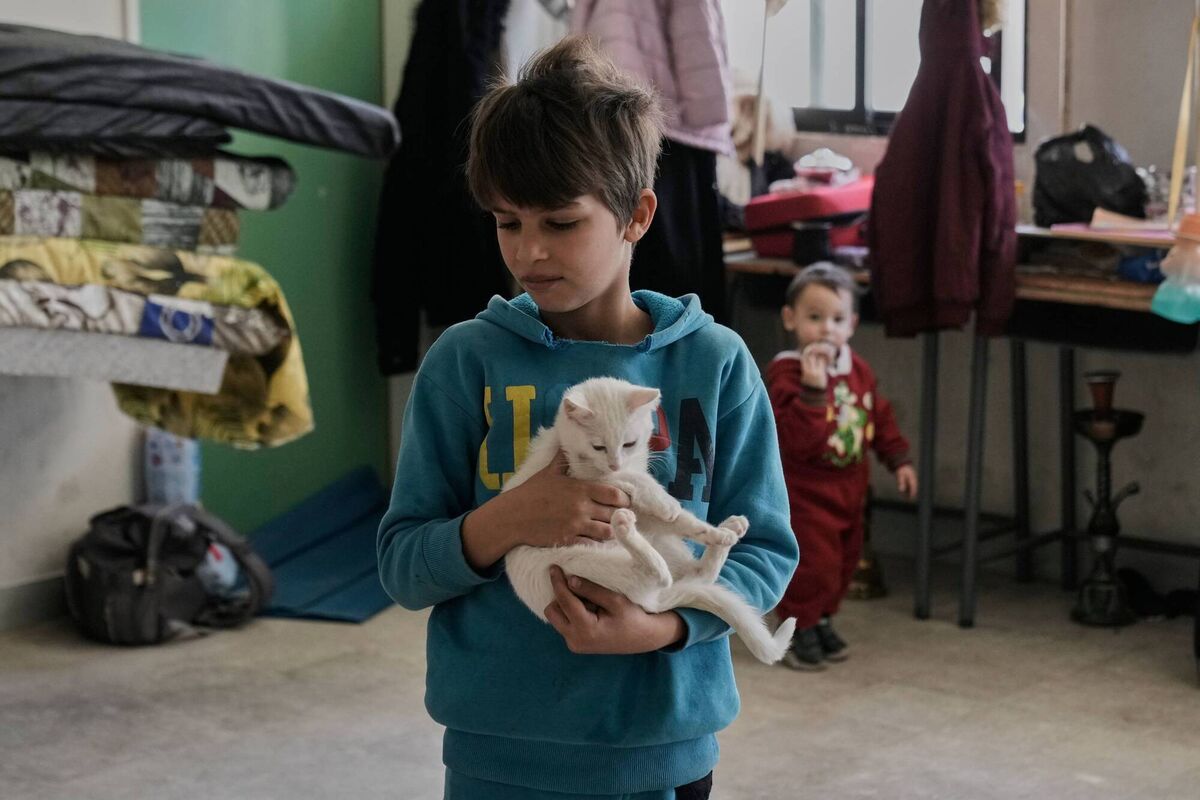
Each action may be justified, contextualised, or denied — but the outcome is consistent. Children pay the price, and they pay it disproportionately.
The babies of Al Shifa and the dead children of Minab did not understand geopolitics. They did not know what doctrine the IDF was following, nor how much a barrel of oil should cost.
They could not understand the concept of borders, or why ambulances they rode in might be stopped at them.
They understood only dependence.
They required warmth, oxygen, nutrition, and care. Preferably from their mothers. These are not political demands; they are biological facts coupled with basic human rights.
And yet even these became contingent — subject to an accident of birth.
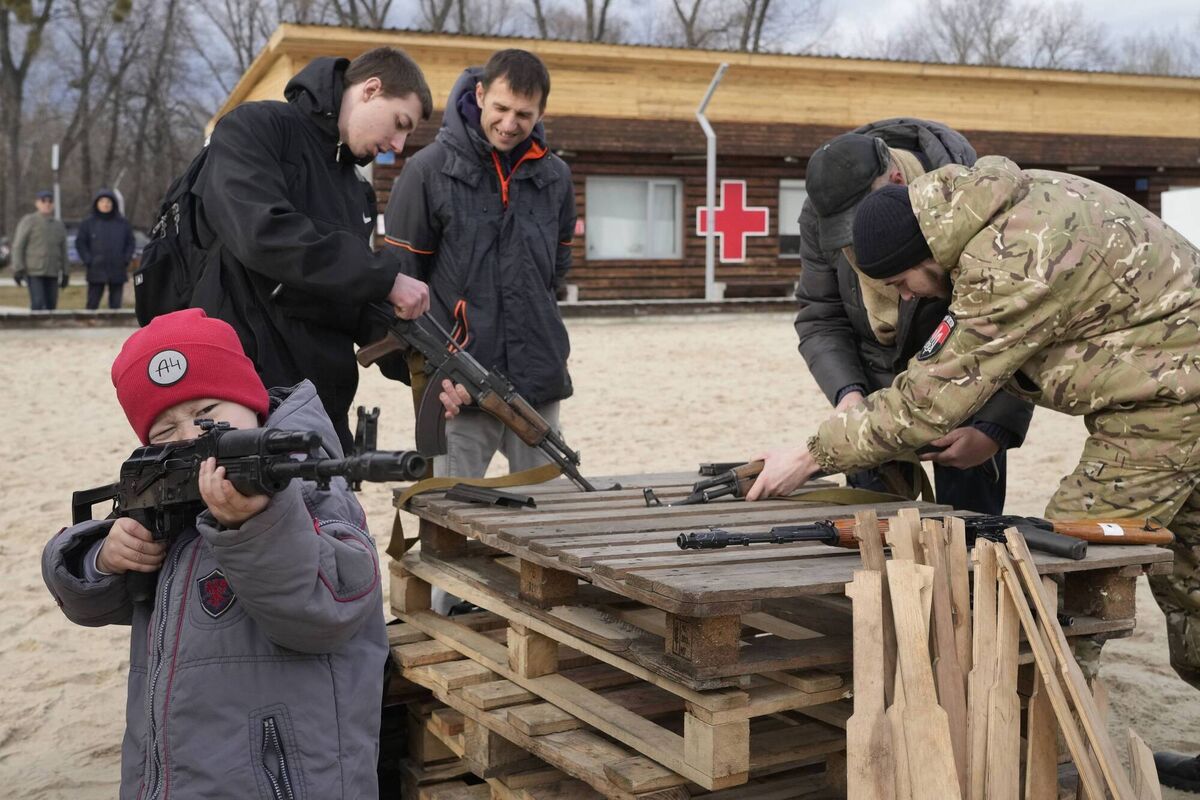
That is the quiet horror at the heart of conflict involving children: their needs are simple, but war makes even simplicity unattainable.
It is tempting to look for solutions in diplomacy, ceasefires, or humanitarian corridors — and these are, of course, essential. But there is also a deeper question that must be asked.
What does it say about a world in which the survival of newborns depends on negotiation? What does it say about systems of power — state, military, international — that the most vulnerable can be rendered invisible so quickly?
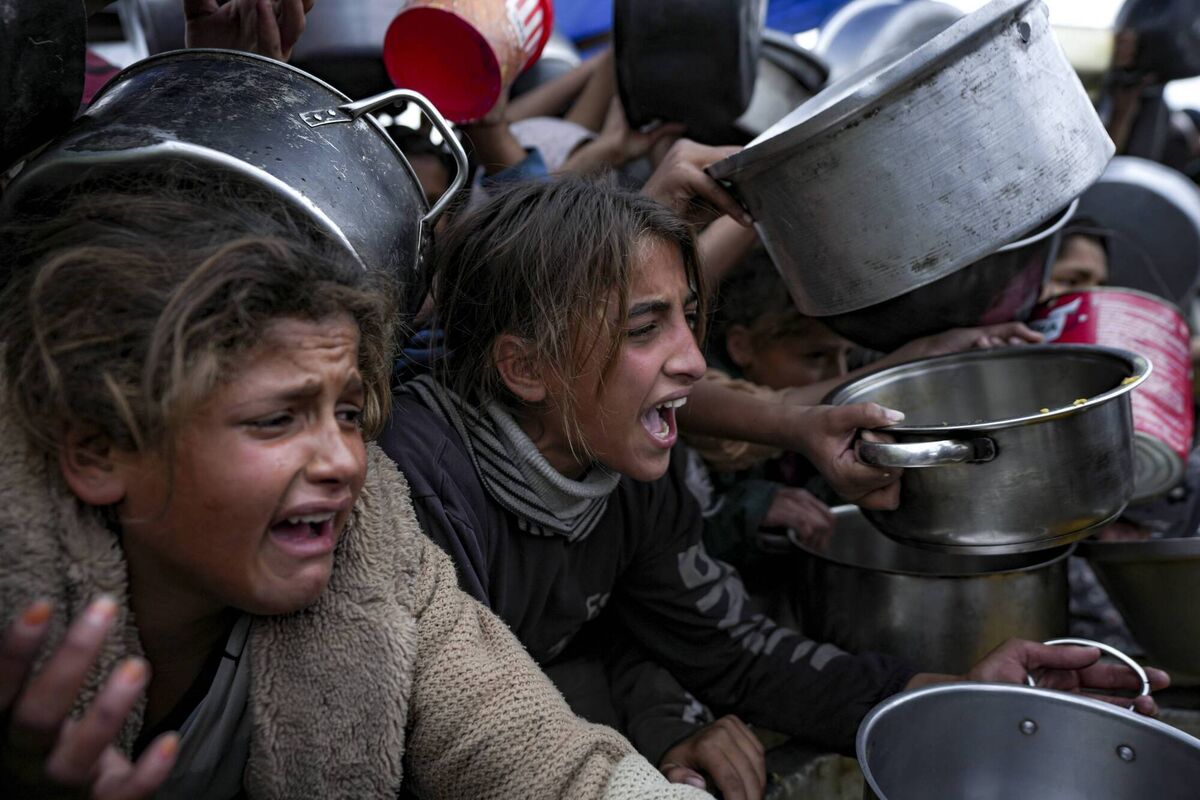
And what does it say about us, as distant observers, that such stories shock us briefly, before receding into the background noise of global crisis, and the mundanity of our privileged lives?
An almost forgotten footnote of the AL Shifa babies tragedy is this: eight of the newborns who were evacuated to Egypt have since died.
They never knew their parents, nor the joy of kicking a football or making a friend. Their lives were stolen. By war and those who unapologetically wage it.


CONNECT WITH US TODAY



Be the first to know the latest news and updates