Mick Clifford: New SSIA-style savings plan unveiled — but will Ireland’s cautious savers invest?
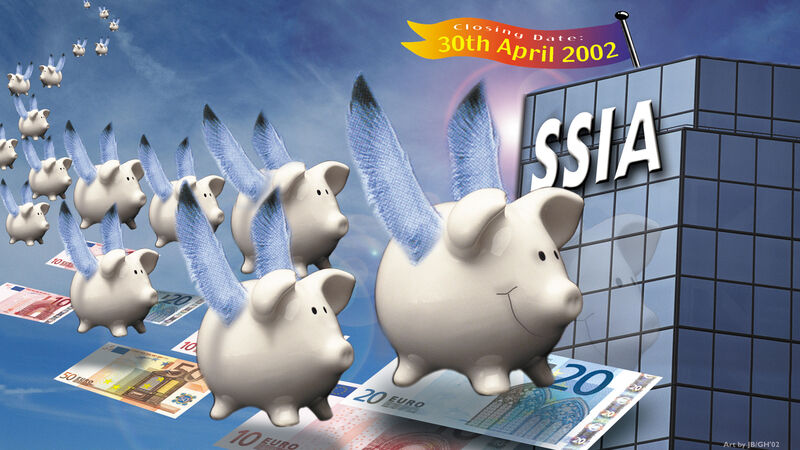
SSIA vs new savings plan: what lessons from the Celtic Tiger era mean for today’s investors
Read More

Limited-time offer
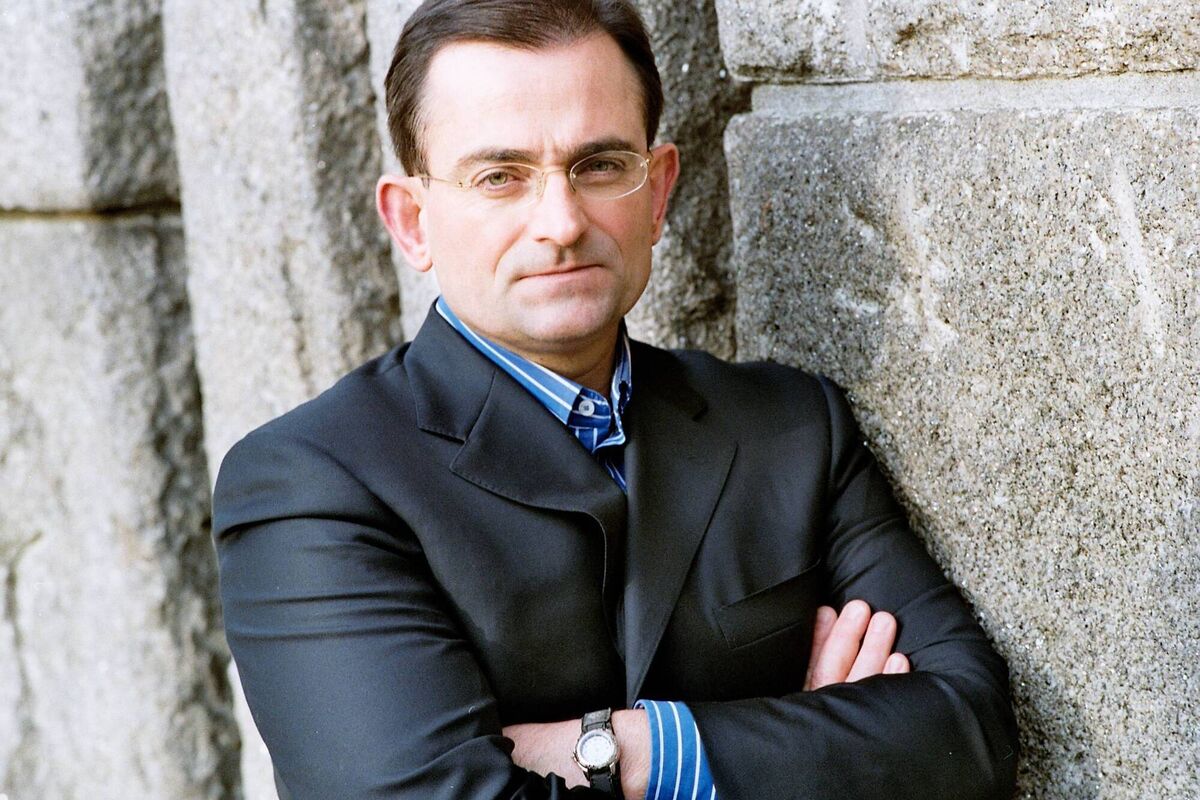
SUBSCRIBEEddie Hobbs, suited and booted, was tearing down backstreets.
The voiceover was Eddie in his distinctive Cork accent: “Choose Llfe. Choose a savings account. Choose a new motor. Choose a bloody big television. Choose plastic surgery, new teeth.”
And on it went, an innovative start to a new TV programme lifted from the opening sequence from the cult 1996 movie, Trainspotting.
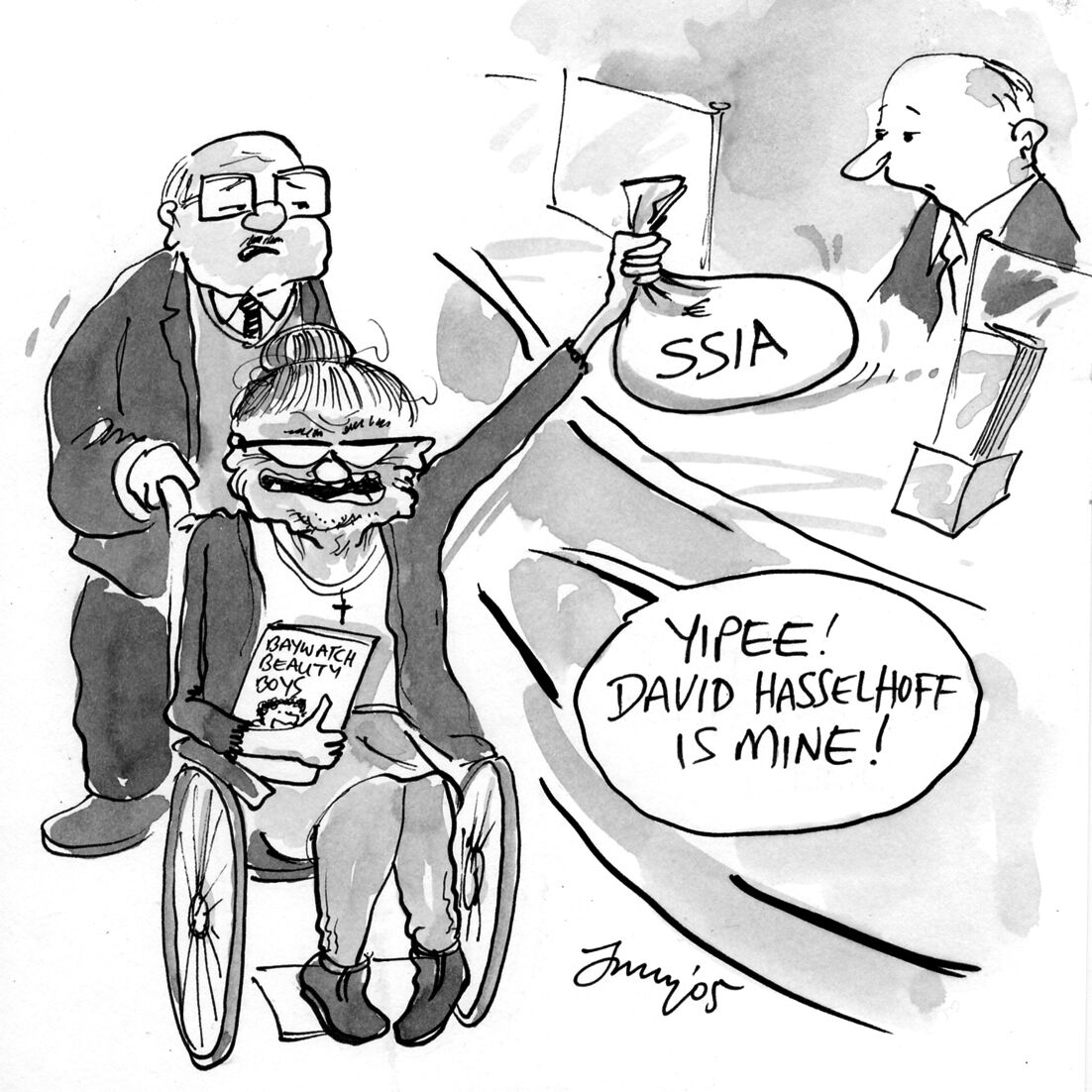
Except the script here wasn’t concerned with escaping heroin addiction in Edinburgh, but thinking of ways to spend the proceeds from your special savings incentive account (SSIA).
Let’s party!
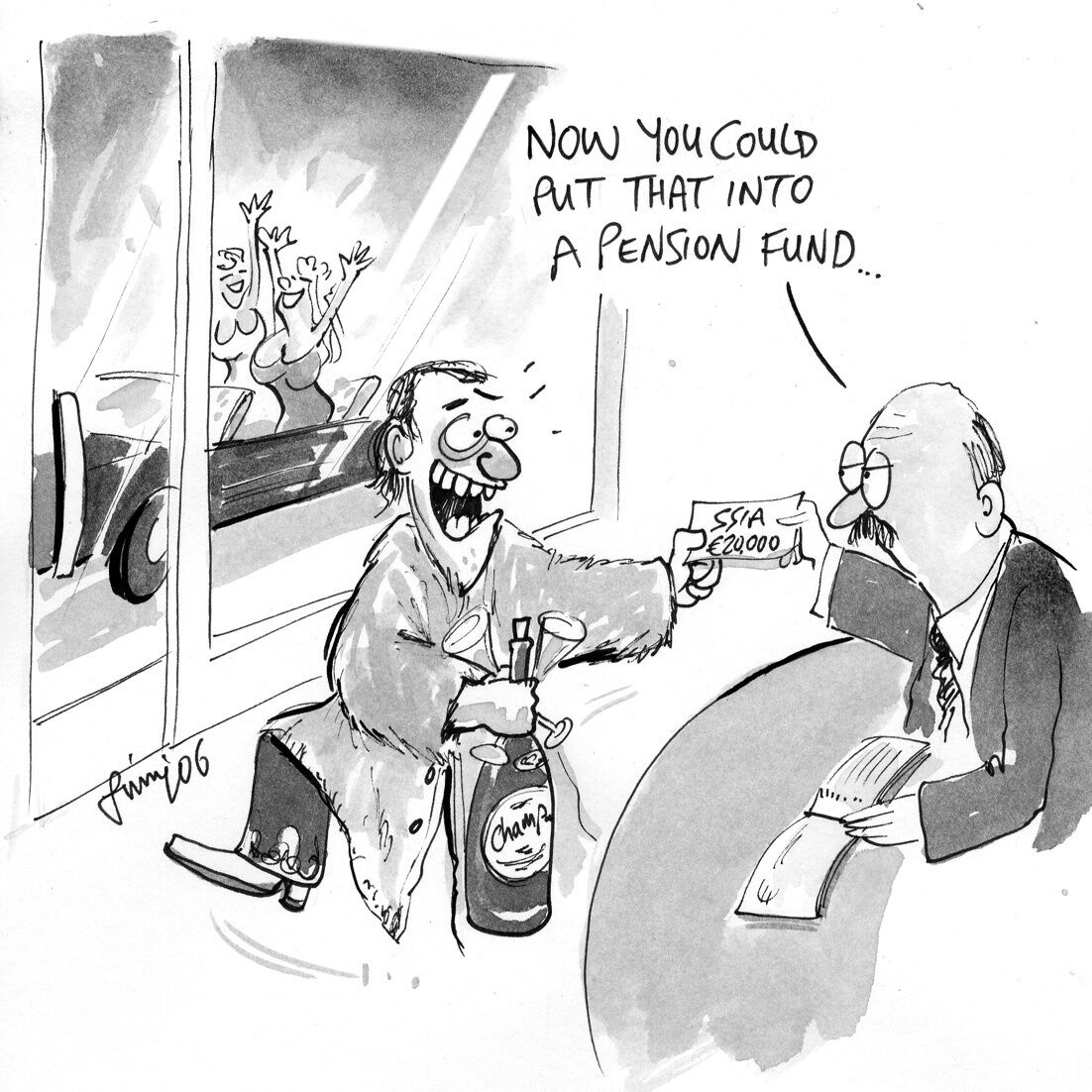
So it went in May 2006, just as the great SSIA payouts were about to be released on a smoking economy.
Hobbs was the man de jour with answers to all your financial questions.
Somebody came up with a great title for new consumer programme: Thirty Things To Do With Your SSIA.
Eddie went through the options which veered from the ridiculous — run for the Dáil, good return on investment and pension — to throwing it all into gold.
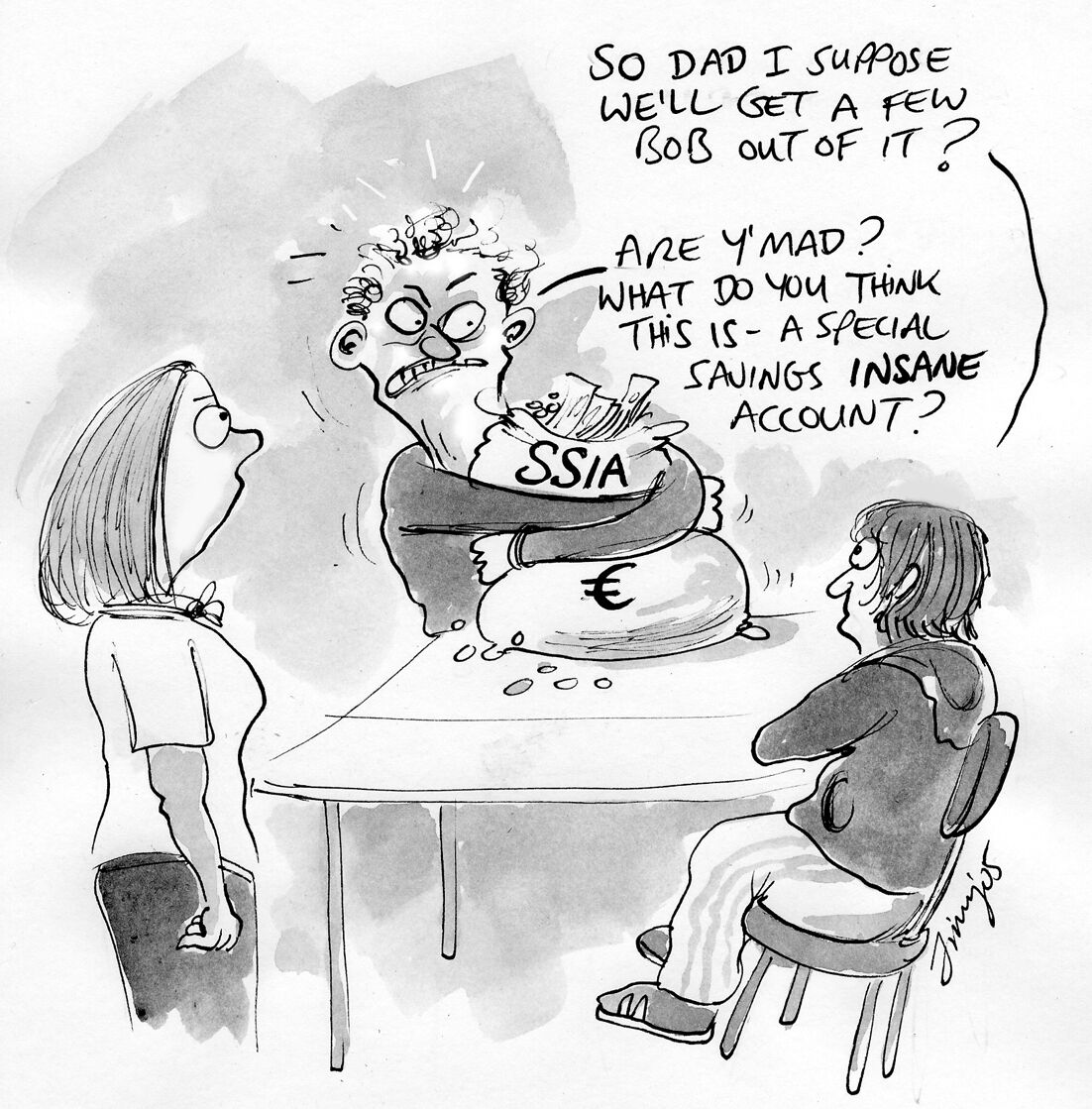
The tone was light, in keeping with the giddy feeling engendered by the prospect of spending not just one’s savings, but the 25% of free money that came with it.
So it went in the months during which the SSIAs matured and up to €11bn was thrown into the economy, while the rumble of thunder on the horizon might as well have been on the dark side of the moon.
We were living through peak Celtic Tiger time, just before the fall.
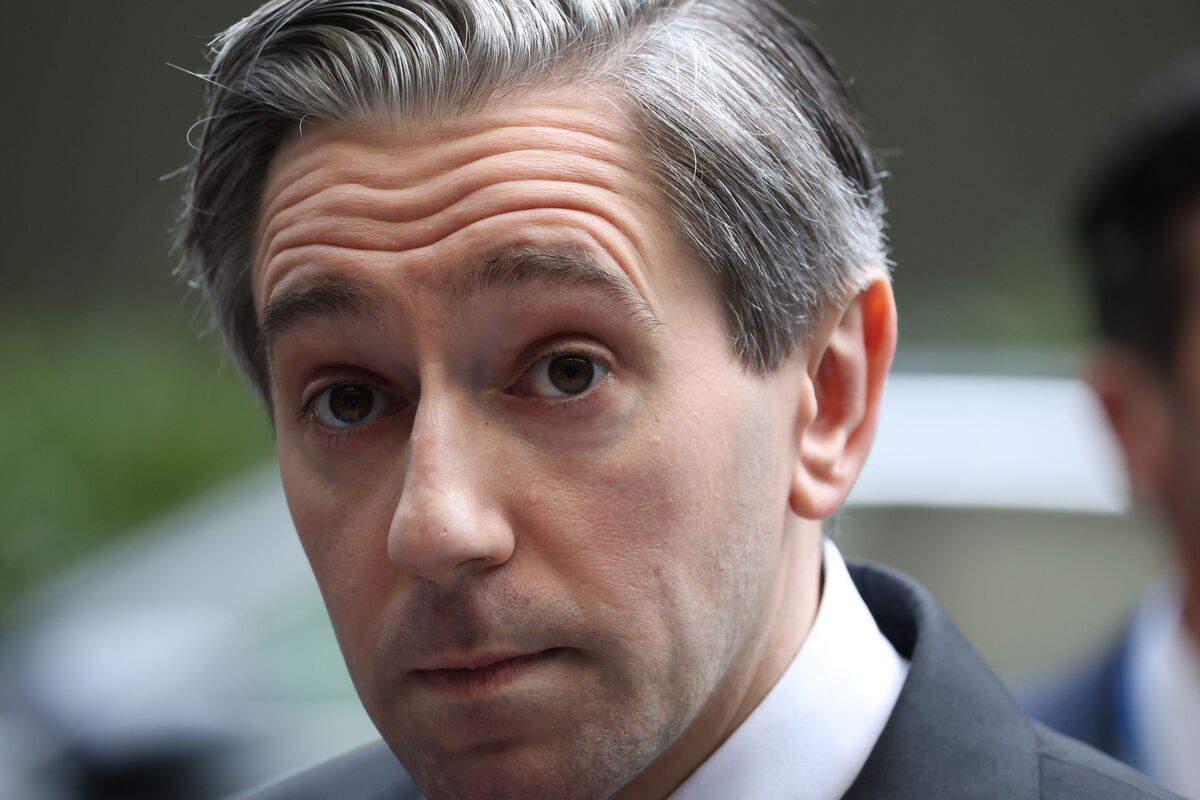
This week, the minister for finance Simon Harris threw out a few more morsels of detail on what the Government’s proposed new investment scheme will look like.
There has been commentary that this will be another stab at the SSIA scheme, with some bells and whistle attached to better suit a time of perma-crisis.

The SSIA story
So what were the SSIAs about back then, and how different will be Harris’s new wheeze?
The scheme was introduced by Minister for Finance Charlie McCreevy in 2001.
The ostensible premise for it was to cool the flames of an overheated economy while also encouraging the newly prosperous to save.
The incentive was that for every four euro saved, the government would add another euro.
The minimum amount that could be saved was €12.50 a month while the maximum was €250. This was, in effect, a tax free savings account with an interest rate of 25%.
Where but in the never, never land of the Celtic Tiger would you get it?

A few years into the scheme, McCreevy heralded its success in the Dáil.
“Deputies will remember the primary purpose of this scheme was to encourage people back into the savings habit,” he said.
It was anecdotally evident that while people were doing very well under the Celtic Tiger, they had forgotten the good old habit of saving for a rainy day. In that regard the scheme has been spectacularly successful.
McCreevy’s stated premise for the scheme attracted plenty of scepticism.
After all, at a time when government terms had settled into running the full five years, the scheme was due to mature over the twelve months ahead of the 2007 general election.
Coincidence? Economist Jim Power is one of many who find it difficult to accept that it was nothing more than that.
“In isolation, it was in theory designed to take money out of an economy that was booming,” he says.
“It did that, sure. But you could also say that the accounts matured just before the general election which you might expect would create a massive feelgood factor."

McCreevy always denied any such political manouverings but the denials were never fully accepted.
Mr Power also points out that if this, as was claimed, was about attempting to regulate the injection of cash into the economy, what happened in the years following the setting up of the SSIAs put that notion to bed.
“They (the government) said they were trying to take money out of the economy but at the same time they were greatly increasing spending and cutting taxes which was pumping more money into the economy.
I would be very cynical about the counter cyclical nature of the scheme that it was sold on.
The other criticism was that the scheme was largely geared towards the better off, who could afford to invest the maximum amount and so acquire the biggest chunk of free money.
For instance, those who invested the maximum allowable amount yielded €18,750 after the five years, of which €3,750 was free money from the State.
At the other end of the scale, the person who could only afford to put away €12.50 a month got a €937.50 of which just €187.50 was from the State.
According to the Department of Finance, out of around 1.1m accounts opened, 18% invested the minimum allowable while 42% put away the maximum amount and the remainder somewhere in between.

The cost of it all was jus shy of €3bn, and the figures make it obvious that the bulk of that went to those who were in a position to save the maximum amount allowable.
The accounts began to mature in May 2006.
By then, McCreevy had long since left Irish politics for the plum role of EU commissioner.
On the face of it, the maturing of the accounts should indeed have engendered a feelgood vibe for the electorate, but the world economy had other ideas.
As 2006 ended, the gathering clouds darkened and pretty soon there wasn’t an awful lot to feel good about.
The general consensus is that the Fianna Fáil-led government was returned in 2007 not because anybody was grateful for the recently received free money but because the electorate felt they were best equipped to deal with the gales of grief blowing across the Atlantic.
Harris' plan
All of which brings us to Son of SSIA, Simon Harris’s new proposal.
We are living today in a different world, one of perma-crisis globally and a housing crisis that is a stain on the basic duties of an alleged republic.
The new scheme is premised on the fact that around €170bn is sitting in deposit accounts earning precious little for savers.
Meanwhile, there is an investment problem for parts of the economy, particularly infrastructure and housing.
The new scheme will be designed for savers and the State to scratch each’s others backs. There will be no free money but the investment vehicle will come with a flat tax rate, making it attractive in terms of return.

This week, Mr Harris put a few morsels of meat on the bones of the plan.
“We want to make investing simpler, clearer, and more accessible for ordinary people, and help their hard-earned money work harder for them over time,” he told an investor forum.
This will be a priority for Government. Our aim is to legislate for the framework in 2026 and to allow accounts to be offered from 2027.
The model is used elsewhere. In Sweden, the vehicle used comes with a tax rate that is linked to government bonds, and currently sits at around 1%, a small fraction of what would apply on regular investments.
No free money so, but the chance to make some by slashing the tax payable on investments.
But will that be enough to make it attractive to the hordes who currently leave their money in the safest of harbours?
For instance, a large number of those savers are likely to be of an older generation, who were around when the economy crashed in 2008. There were plenty of sure things back then that turned out to be anything but sure.
Has this generation, through experience, become risk adverse?
Jim Power believes that they will require a little persuading.
“In January 2007, there was household credit outstanding of €139 and household deposits of €77bn,” he says.
“That divide pivoted in 2015. By the end of January this year there was €171bn on deposit and €113b credit outstanding. So what we have seen is a massive rundown on household debt and an increase in the money in the banking system. That smacks of risk aversion. People lost money on bank shares, on property and they have become risk adverse. That big sum of money on deposit is there for a reason.”
He believes that serious incentives will be required to assure savers that their investment will be relatively sound.
“I would have thought there will have to be some sort of a capital guarantee or do it like a government bond. Whether that’s in store, we will just have to wait and see.”
One way or the other Son of SSIA is highly unlikely to be as accommodating or generous as the original, but then we live in an all too real world today compared to the illusion that was the Celtic Tiger.

Unlock unlimited access and exclusive benefits
Already a subscriber? Sign in
Cancel anytime
CONNECT WITH US TODAY
Be the first to know the latest news and updates
Newsletter
Keep up with stories of the day with our lunchtime news wrap and important breaking news alerts.

Select your favourite newsletters and get the best of Irish Examiner delivered to your inbox
Sunday, April 5, 2026 - 9:00 PM
Sunday, April 5, 2026 - 6:00 PM
Sunday, April 5, 2026 - 9:00 PM
© Examiner Echo Group Limited