'10 months ago I started a new drug treatment medication... I now have a normal life'
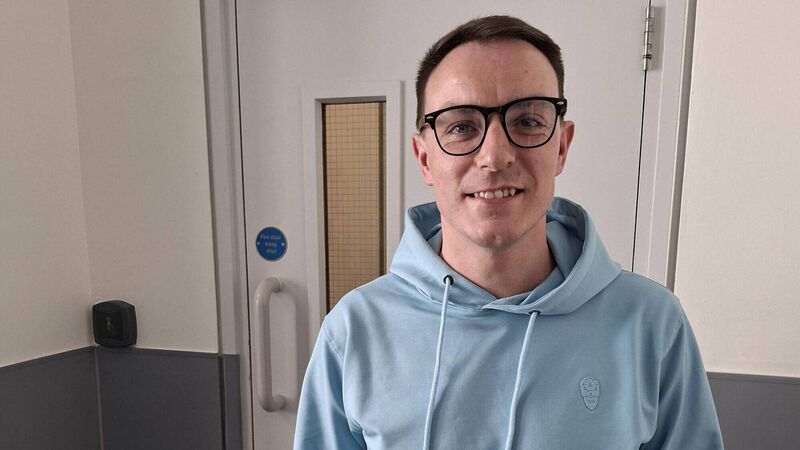
Scott Tallion, who is being prescribed Buvidal at the NDTC.
Scott Hallion is up at 6am, showers and does his meditation. After a quick breakfast, he’s into Dublin city centre where he works in deliveries at an upmarket hotel.
It was only a year ago that his long battle with heroin addiction drove him so deep into darkness that he tried to take his own life.
Then he was told about a treatment medication called Buvidal, a long-lasting form of buprenorphine used to treat heroin addiction that the HSE started piloting at the end of 2020.
While only available at HSE addiction clinics, and mainly available in greater Dublin, its availability has spread to Limerick city.
HSE national addiction services are now looking to expand its provision further — subject to increased funding, awareness raising, and training and education of professionals.
Unlike the well-known heroin alternative, methadone, Buvidal does not have to be taken daily or require regular supervision by clinicians or pharmacists.
Read More
During 2025, Scott went to the National Drug Treatment Centre (NDTC) on Pearse Street and spoke to staff about it.
“Ten months ago I started," he said. "I had no sweats, aches or cravings. I now have a normal life. I’m in full-time employment. My independence was handed back to me.”
Now 34, he said that while he started taking the slow-release injectable medication weekly he then moved on to taking it on a monthly basis, granting him far greater freedom than the daily grind of taking methadone.
“I had a holiday at the end of last year, to Salou, Spain," he said, "and I’m just back from three weeks in Amsterdam with my girlfriend.”
HSE consultant psychiatrist in substance misuse Mike Scully said the taking of methadone is “structured and restricted” and that patients tend not to like the weekly supervised consumption of it and limits on subsequent “take away” methadone bottles.
He said both patients and clinicians can see the benefits of Buvidal and that clinicians don’t have to get into arguments with patients about how much take-away methadone clients can get.
He said that another issue with methadone is the risk of diversion to other users and storage of the drug at people’s homes, and the danger that can pose to children.
Mr Scully also pointed out that a significant percentage of fatal drug poisonings involved methadone combined with other substances.
He said a key issue is that Buvidal is confined to HSE addiction clinics that have a pharmacist to dispense it.
This has also had the effect of the medication being largely available in greater Dublin. This means patients can travel from as far as Sligo to avail of it.
NDTC chief pharmacist Meghan Lynch said colleagues in Limerick in HSE Mid West have also come on board and it is being prescribed there.
She said people living in rural Clare were able to access the drug as a result.
Ms Lynch said one issue was training colleagues and giving them the “confidence” to branch out from methadone to a new drug.
In the NDTC up to 90 patients, out of a total of 520 (17%), are currently taking Buvidal.
The HSE Addiction Services have been engaged in protracted discussions with the authorities about extending Buvidal prescription to the community sector — including GPs and local pharmacies.
Ms Lynch said Buvidal is more expensive than methadone, but said this does not factor in the clinical and staff resources used to dispense methadone, nor the provision of plastic bottles for the methadone and, more crucially, the beneficial impact on the user.
Mr Scully said that if he was a cancer doctor and there was a drug that worked, even though it might cost €250,000, it would be provided, whereas addiction consultants have to “go through hoops” for a drug treatment that might cost a couple of hundred euro per month.
He stressed that no one drug suits everyone, but that having the option of providing Buvidal would be better, adding that there was a need of “upskilling” clinicians as well.
HSE figures show that since the covid period, the number of people in receipt of buprenorphine products has risen from 710 in 2022, to 841 in 2023, to 1,024 in 2024 and to 1,212 in 2025.
In the same period, the number on methadone has fallen from 10,703 to 9,548. This suggests that of the 10,760 people receiving treatment in 2025, those getting Buvidal represent 11% of the total.
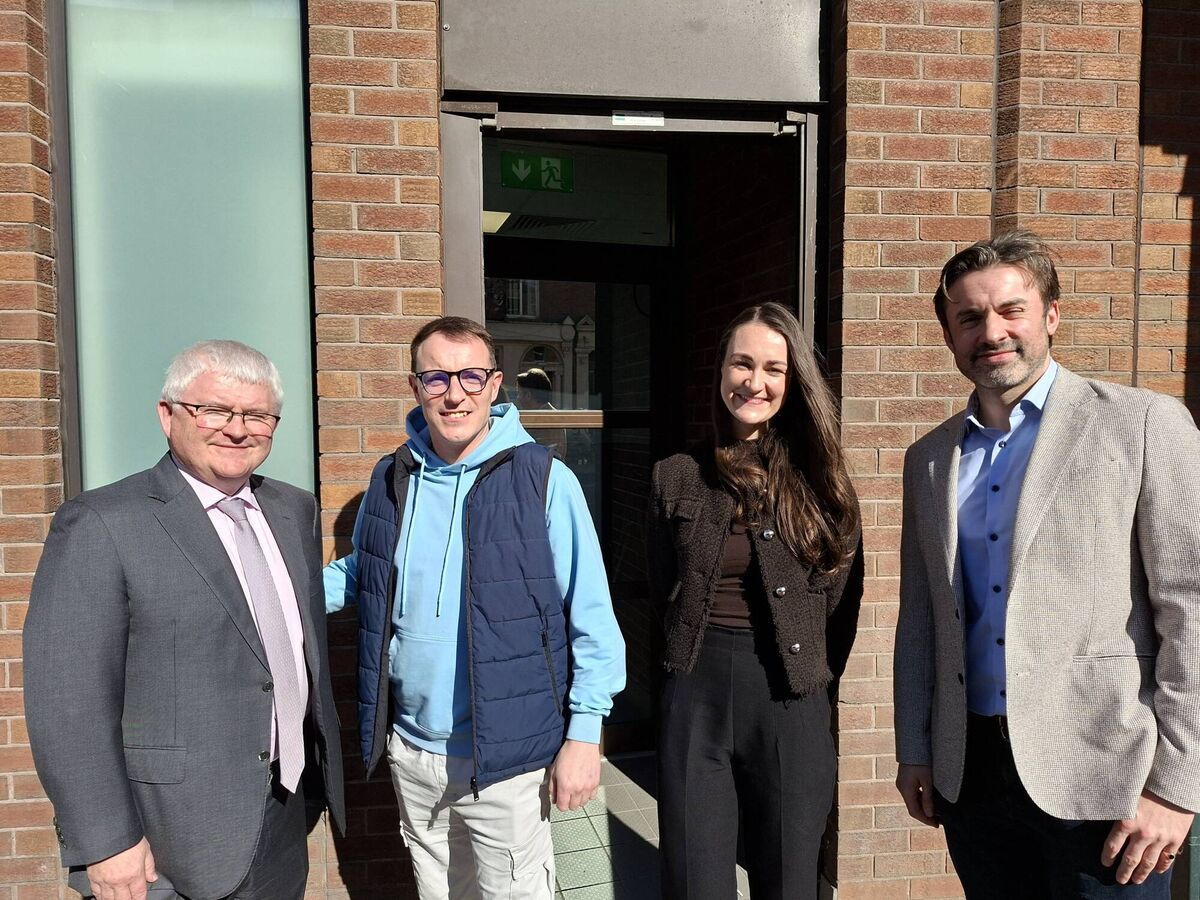
The Department of Health provided additional funding of €750,000 in Budget 2026 with the aim of expanding Buvidal treatment for a further 200 people.
David Weir, consultant psychiatrist specialising in addiction, said that it would be “fantastic” to make Buvidal “universally available” and said the issues being worked on concerned funding, awareness and training.
He said it was unfair for those who need to travel from Sligo to Dublin to get the drug.
In November 2025, the European Union Drug Agency (Euda) said there was “increasing popularity” of buprenorphine in many European states.
On the issue of the cost of buprenorphine, it said: “Buprenorphine costs considerably more than methadone but some economic analysis has suggested that the relative costs of methadone and buprenorphine treatment can be similar. This rests on the assumption that buprenorphine may allow the possibility for less frequent administration.
“As the total cost of the intervention will consist of both the drug cost and the cost of clinical resources necessary to administer the drug (staff time, use of facilities, etc.) this may generate savings in terms of the input of clinical staff and other resources.”
It concluded: “Buprenorphine can be seen as a valuable additional element to the options available to clinicians and may provide some useful benefits in treating some groups of patients or prescribing in some settings.”


CONNECT WITH US TODAY



Be the first to know the latest news and updates