Oil shock at the pumps: Why petrol and heating costs are climbing so fast
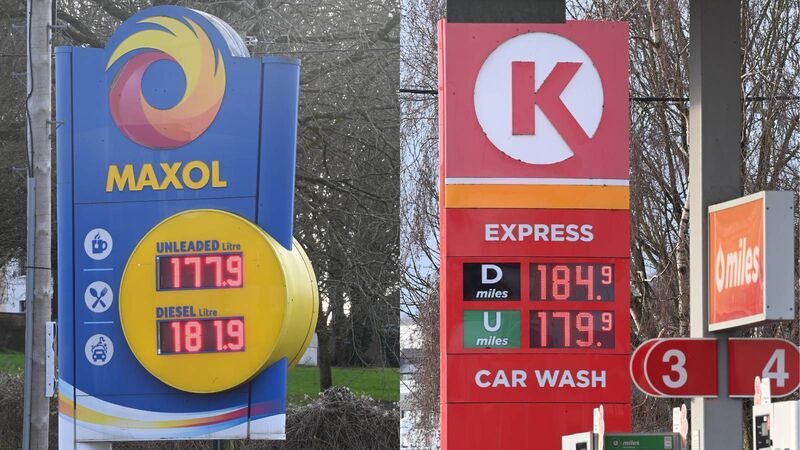
Consumers have noticed the price at the petrol and diesel pumps increasing significantly this week. Pictures: Larry Cummins
Oil prices rose this week at their sharpest rate since Russia’s invasion of Ukraine, with Irish consumers already feeling the impact of the war in the Middle East in their pockets.
With home heating oil almost doubling in price in the last week, and motorists seeing an increase at the pumps, experts said that the longer the conflict goes on, the more severe the economic impact will be around the world.
"There’s been an enormous increase in petrol and diesel prices in the last week,” said Conor Faughnan, independent motoring expert for Carzone. “The impact downstream on us of a crisis like this, there’s normally an expectation of a lead time of around 10 days or so before an impact on us.
“This time it seemed to arrive extremely rapidly.”
Last Saturday, Israeli and US forces began bombarding targets in Iran, killing supreme leader Ayatollah Ali Khamenei and many other senior Iranian figures.
The strikes triggered a retaliation from Iran, which has attacked multiple countries in the region and halted tankers moving through the Strait of Hormuz, which handles roughly one fifth of the world's daily oil supply.
Such events inevitably trigger impacts across the global economy. The effects are already being felt in Ireland.
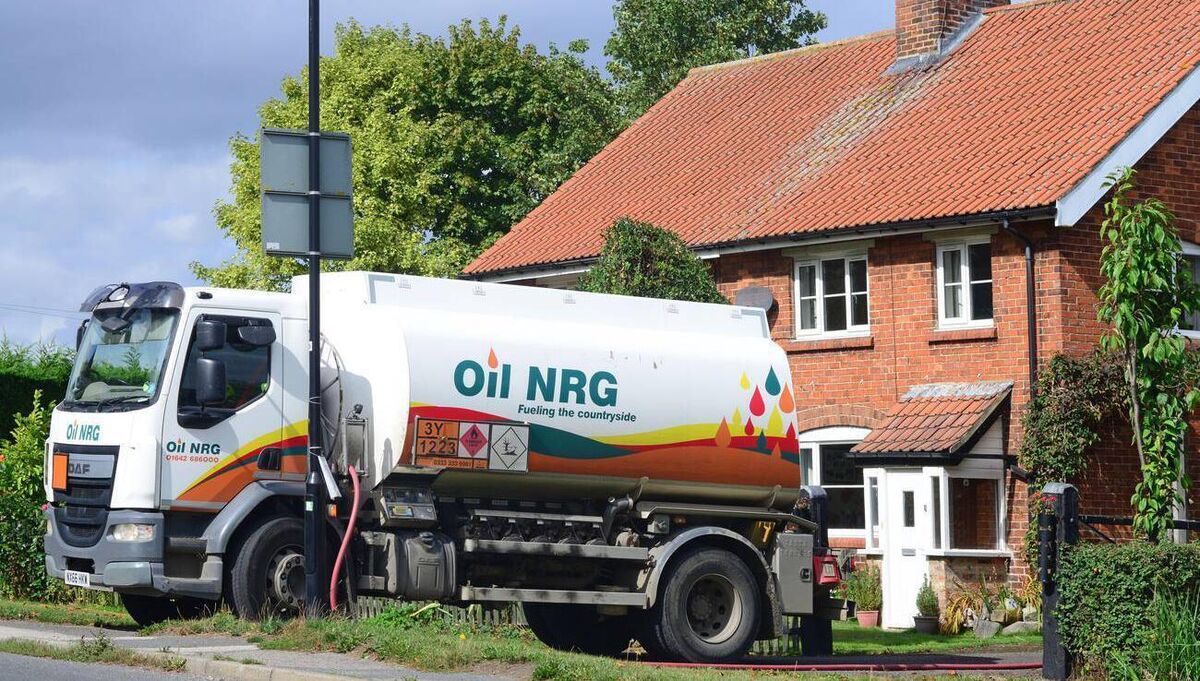
Price comparison website oilprices.ie shows the average price of 500 litres of home heating oil has jumped significantly since the US and Israel began strikes on Iran on February 28.
Last Friday, February 27, the cost was €494.79. On Friday, March 6, this had jumped to €833.56.
Consumers have also noticed the price at the petrol and diesel pumps increasing significantly. Figures from AA Ireland suggest the average cost of petrol last month was €1.73 per litre, while diesel was €1.72 per litre. In the space of a week, this has risen to well above €1.80 at many fuel forecourts.
Anecdotal evidence online suggests prices are far in excess of this and even approaching €2 per litre at some stations.
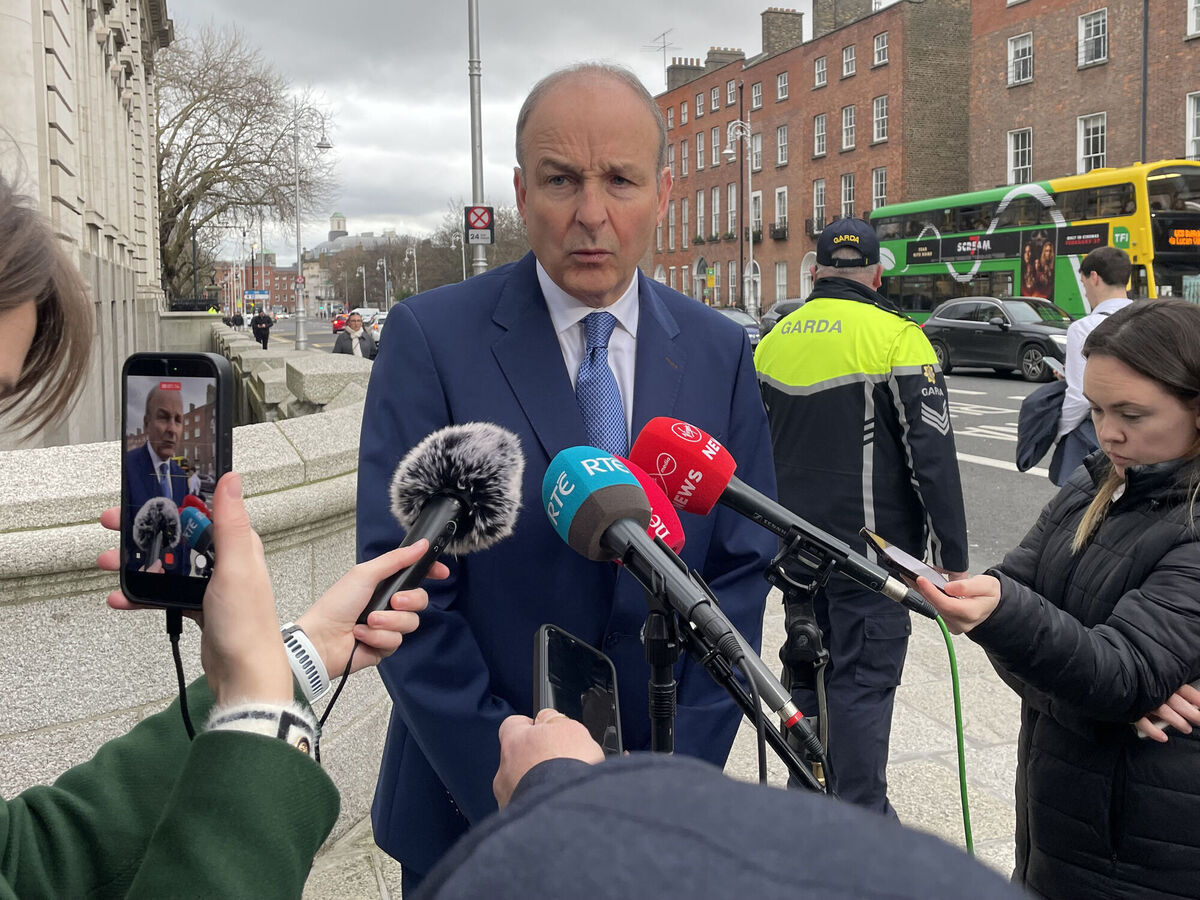
In the Dáíl during the week, Taoiseach Micheál Martin conceded there was a degree of price-gouging going on, while enterprise minister Peter Burke ordered the consumer watchdog to investigate such claims.
In a statement on home heating oil, the Competition and Consumer Protection Commission said the law on price increases is “clear” — companies can set and increase their own prices but must do so independently.
“There is no legal obligation on companies to set their prices at a level that consumers will consider fair,” it said. “However, equally, consumers can and should take their business elsewhere where they are treated poorly.
“If a company has agreed a sale with a consumer and accepted payment, then they should fulfil the terms of the order.”
While this applies to home heating oil, there is no such agreement with those needing to fill their car and finding it now costs a lot more than it did last week.
The last time that prices exceeded €1.80 per litre of petrol was April 2025. In the initial months after Russia invaded Ukraine in February 2022, they exceeded €2.13 a litre.
Fielding questions on the situation in the Dáil on Thursday, Tánaiste Simon Harris admitted the situation in Iran will have an impact as the Government was urged to act now to protect consumers.
“There is absolutely no doubt that the conflict in the Middle East and the Gulf is going to have an economic impact,” he said. “It is going to have a potential inflationary impact. It is going to have an impact in on commodity prices, including oil and gas.
“We are a couple of days into a conflict here. We cannot do anything that is knee-jerk. Something that might seem like the right idea today could indeed be the wrong recipe next week or the week after.”
The industry itself has robustly defended its position, with the chief executive for Fuels for Ireland describing price-gouging allegations as “simply false”.
Ahead of a meeting with Mr Burke on Friday to discuss the price-gouging allegations, Kevin McPartland told that when prices increased after the Russian invasion of Ukraine, senior politicians were “using the exact script they’re using now”.
“The CCPC gave conclusions [at the time] and it found no indications of co-ordinated pricing behaviour in the data,” he said.
“It concluded that rising international prices drove increases in prices at the pump. And it concluded that the difference between pump prices and the wholesale price generally remained within the normal range for the industry.”
Mr Faughnan said that given the margins, an independent franchisee on a petrol forecourt who sells 50 litres of fuel and a cup of coffee to a customer actually makes more off the coffee.
However, he questioned the speed at which petrol and diesel prices have risen, by around 8c-10c a litre in many instances in less than a week since the war began.
“If there’s some bug in the competition there, let’s find it and fix it,” he said. “Good quality competition is the consumer’s best defence.
“But if oil prices go up and stay up, with them will go all the other energy prices. And there’ll be a similar effect on the energy component on every good and service in the economy. No aspect of that is good.”
On Friday, the latest figures showed crude oil headed for the sharpest weekly gain since Russia launched its full-scale invasion of Ukraine in February 2022.
"With every passing day, halted activities in Hormuz will have two major impacts on oil: The inability to store 20m barrels per day and the lack of flow to the world, which could drive global energy prices higher," said Priyanka Sachdeva, senior market analyst at Phillip Nova.
US president Donald Trump, along with Israeli prime minister Benjamin Netanyahu, has been the architect of the escalation which began last Saturday. He was his usual bullish self when asked about the price at the pumps for ordinary people.
“I don’t have any concern about it,” he said. “They’ll drop rapidly when this is over, and if they rise, they rise, but this is far more important than having gasoline prices go up a little bit.”


CONNECT WITH US TODAY



Be the first to know the latest news and updates