Domestic abuse: Significant inconsistencies in garda responses to domestic violence
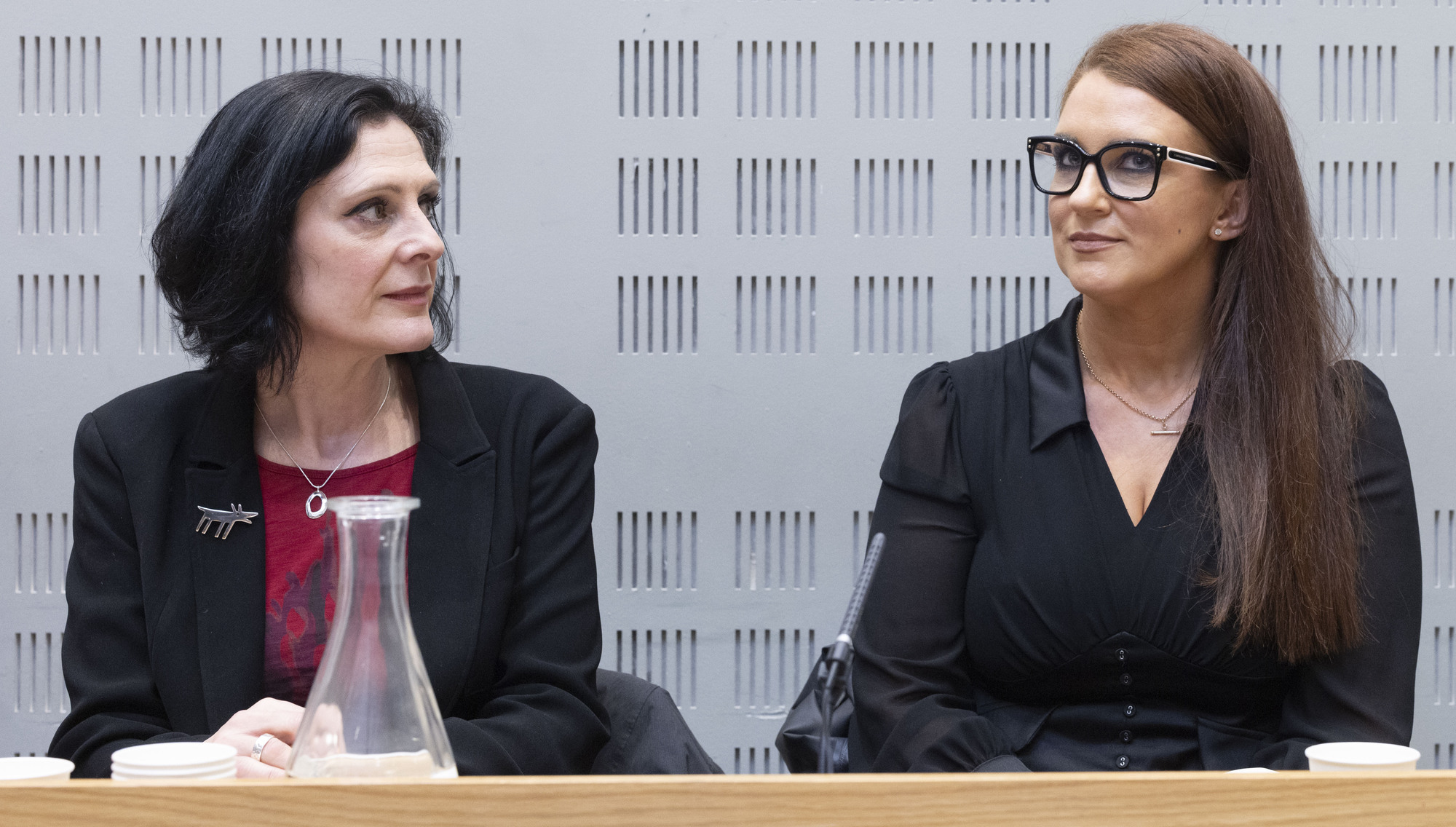
Women’s Aid CEO Sarah Benson listens as Margaret Loftus speaks at Leinster House earlier this month. Ms Loftus was speaking out about her 13-year wait for justice after the abuse she suffered at the hands of her then husband. Picture: Sam Boal/Collins
When Deirdre* checks her social media platforms, it is not for the same reason as everyone else.
Instead of watching for the latest updates from her favourite influencer, she is cautiously checking how many times her ex-partner has been viewing her TikTok account.
His fascination with her online activity is to be seen by how many times a day recently that he has viewed her account. She feels she is not being taken seriously — despite having a domestic violence order in place against him.
There is a history of violence by him against her, with the having seen medical reports in which her GP references domestic abuse as being the cause of her injuries.
At present, she is frustrated because a case she had hoped would proceed about breaches of the domestic violence order was dropped as gardaí produced no evidence in the case.
A doctor’s letter from earlier this year states that Deirdre was "living in an abusive relationship with a lot of physical trauma, gaslighting, manipulation, and coercive control".
Read More
Her GP said she is now on medication for symptoms of anxiety and post-traumatic stress, and attending counselling sessions and group therapy for domestic violence.
This time last year, her now former partner caused her facial injuries when he bashed her head off a car window and steering wheel.
A medical report outlined that she suffered bruising to the right side of her face and head on that occasion.
As well as being physically abusive, her former partner was also controlling her financially, she says.
She has feared for her life — and counsellor and domestic abuse expert Don Hennessy also has had concerns about her safety.
Mr Hennessy, who was a director of the National Domestic Violence Intervention Agency, frankly tells the : “I have been working in this area for 30-odd years and her case really scared me — I had this huge anxiety that she would end up dead.
"I think the whole thing was minimised by everybody, including herself, and that’s what scares me about it.
“Every case is serious — when these men get cornered or are likely to be exposed, they can do all sorts of things that are horrendous.
“I have another client who was taken to a garda station and has never had a criminal charge in her life.
"She is going through family law at the moment and cannot get anywhere with that either. That was last summer. She has been on to Fiosrú, and I have written to Fiosrú myself to support her.”
That woman, Fiona*, claims the incident occurred in a Cork garda station after she was arrested by appointment after the current partner of her abuser made a complaint against Fiona of harassment.
She was subsequently released without charge.
![Fiona [not her real name] says: 'As a domestic abuse survivor, this was violating and retraumatising to me. It had an extremely negative effect on my mental health and wellbeing.' Stock picture: iStock](/cms_media/module_img/9956/4978289_12_articleinline_Copy_20of_20iStock-2238610198_1_.jpg "Fiona [not her real name] says: 'As a domestic abuse survivor, this was violating and retraumatising to me. It had an extremely negative effect on my mental health and wellbeing.' Stock picture: iStock")
She says the incident last summer has left her traumatised, and described having to strip to her underwear during the arrest as “invasive and humiliating”.
She said: “As a domestic abuse survivor, this was violating and retraumatising to me. It had an extremely negative effect on my mental health and wellbeing.”
She claims that on one occasion when she went to the gardaí about her then partner, “they said my relationship just sounded toxic, and they weren’t sure what I wanted them to investigate”. She did manage to secure a protection order against him four years ago, followed by a safety order. She made her first complaint against him in 2016.
She says she endured being portrayed as a sex worker by her former partner, who she says threatened her on one occasion with a knife.
She also alleges that he sent pictures of her to men on escort sites and that he put a location app on her phone to track her. She says:
"The line ‘what happens behind your bedroom door is your own business’ was said to me after I disclosed that he attempted to pressure me to sleep with other men so he could watch. Something I did not do.
"I was trying to give examples of emotional/sexual abuse, but everything was minimised.”
She says that her former partner was well known and wonders whether this influenced how her case has been handled.
Don Hennessy believes that the private nature of family law cases provides a shroud of secrecy for perpetrators of domestic abuse.
He says: “There is legislation going through the Dáil now which is going to lift some of the cloak of the in-camera rule in family law cases. I think it is way beyond time for that to happen.”
Fiona and Deirdre are telling their stories just weeks after Garda Trevor Bolger was given a three-month fully suspended jail sentence last month for assaulting his then-wife, Margaret Loftus, in October 2012.
Margaret Loftus spoke after the sentencing of the lengthy wait for justice in her case, feeling that there was a resistance within An Garda Síochána in pursuing the case.
Deirdre made contact with Ms Loftus following her case.
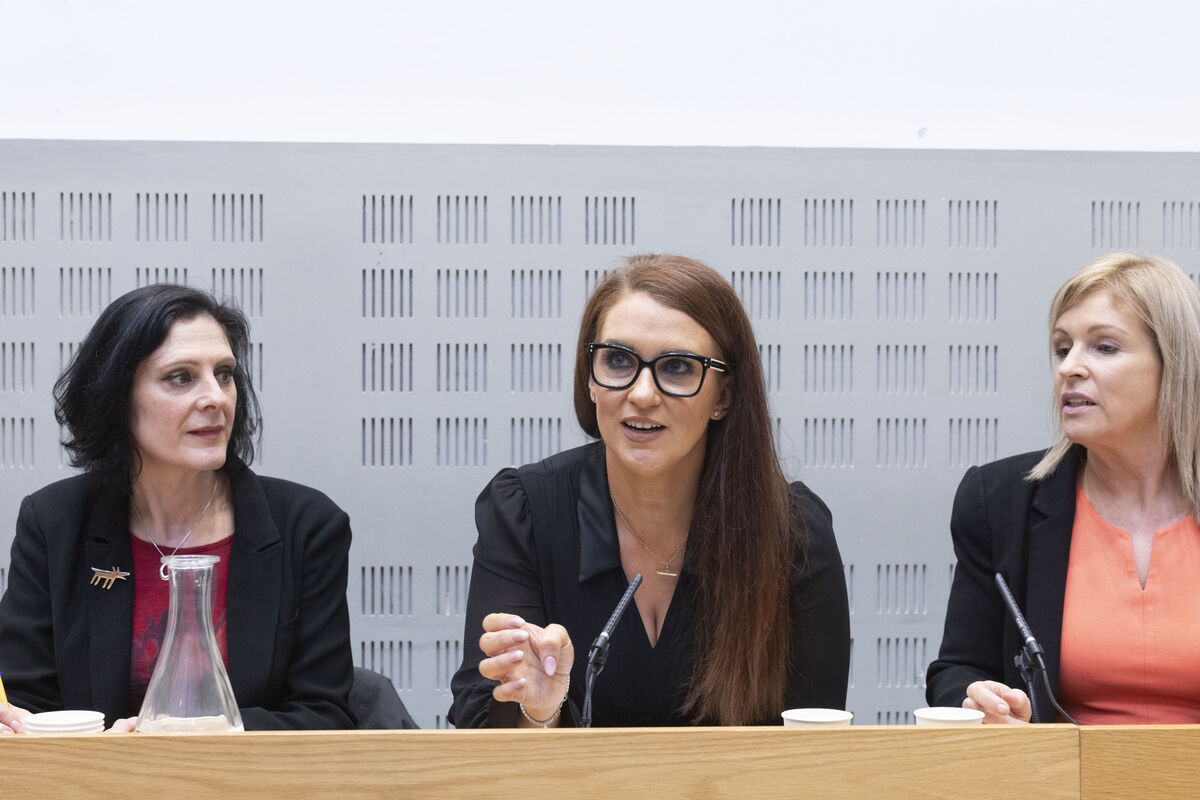
Women's Aid chief executive Sarah Benson says that more than 65,000 domestic violence incidents were reported to gardaí in 2024 and commends “strong progress” in how specialist units, including its National Protective Services Bureau are working in the area of domestic violence.
But she says that significant inconsistencies remain in garda responses to domestic violence.
“It is very important for women experiencing domestic violence and abuse, where the perpetrator is a garda or otherwise, to feel they can safely and confidently reach out to the gardaí for help.
"There needs to be clear guidelines on how the gardaí deal with this situation, and these guidelines need to be easily accessible to the public so that victims-survivors in these cases can be reassured and are not prevented from coming forward.”
Ivanna Youtchak, senior policy co-ordinator with the National Women’s Council, says that research conducted by the council in 2023 also found that inconsistencies in the garda approach to domestic abuse victims were an issue.
She outlines: “There is an inconsistency in the training, and while there are protective service units in some parts with gardaí who have the full capacity to deal with this issue, the experience is totally different in places where the gardaí have not been trained in this area,” she said, adding that this can lead to experiences where survivors feel subjected to victim blaming when reporting domestic abuse.
She adds that there also appears to be a lack of understanding around coercive control, particularly relating to patterns and trends around it.
Last December, the Policing and Community Safety Authority (PCSA) published its assessment of policing for the first half of 2025.
The assessment noted that while the mandatory call-back rate to people who have reported domestic abuse stands at 77.2%, “concerns arise due to inconsistencies across divisions, with some demonstrating rates below the target”.
The assessment noted that 44% of women who contacted gardaí for support about domestic abuse found gardaí unhelpful — a finding in Women’s Aid research.
The PCSA’s chief executive, Helen Hall, said: “While we acknowledge the efforts An Garda Síochána is making to contact people who have reported domestic abuse within the required seven days, we are concerned about the inconsistencies across divisions and we reiterate the need to review the quality of these call-backs.
The PCSA will be holding a meeting with Garda Commissioner Justin Kelly in Cork on April 30. Before then, it is making contact with a range of groups, including those working with victims of domestic, sexual and gender-based violence, to get a handle on gardaí’s performance in this area.
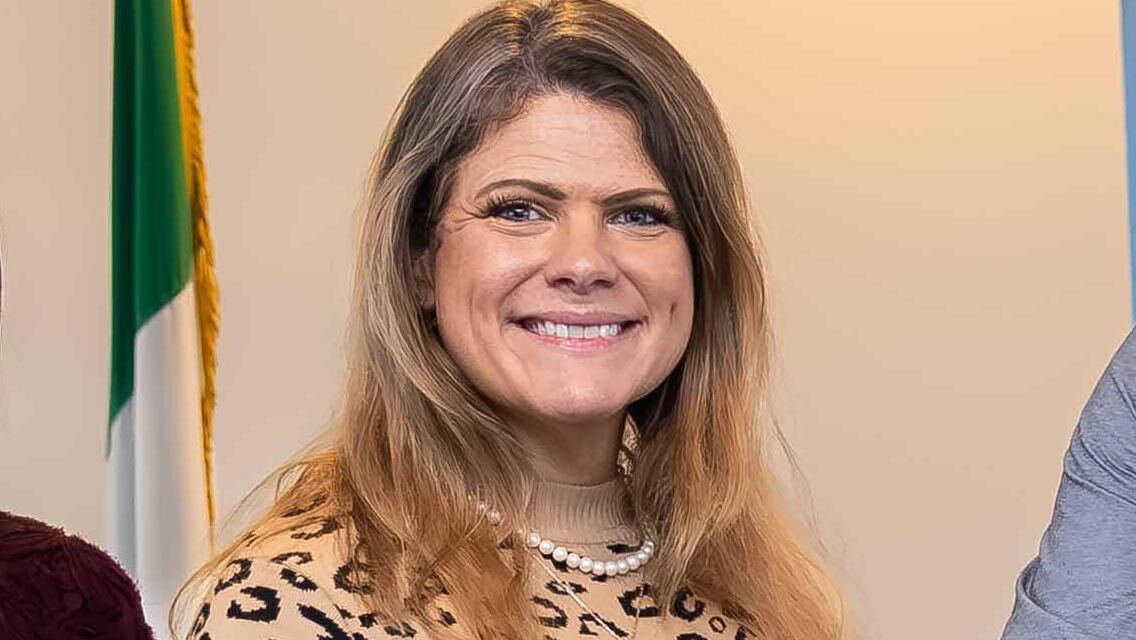
MaryClare Clark, chief executive of support service West Cork Beacon, said the organisation is working on a meeting in the coming weeks to collate information on how to improve garda interaction with victims of violence, including domestic and sexual abuse.
She said: “We do have a lot of cases that don’t end the way we would like them to, or that our clients do not feel necessarily comfortable or safe going in to report something to the gardaí, and we have an accompaniment service for them.”
She said that while there are some issues where “gardaí are not prepared for what people are coming in to report”, there are other instances where gardaí have been supportive.
Another service in Munster, which works with domestic violence victims, also says there are concerns about how victims are dealt with, but is reluctant to go on the record in case it impacts its positive relationships with some members of the gardaí.
Both women interviewed for this piece have made complaints to Fiosrú.
A spokeswoman for An Garda Síochána said the organisation does not comment on “remarks made by third parties”. She said: “In addition, An Garda Síochána cannot comment on or discuss details of matters reported to Fiosrú.”
She added that “details on the protocols around reporting incidents of domestic abuse to An Garda Síochána are available on our website”.
A spokeswoman for Fiosrú said it is unable to comment on complaints relating to cases of domestic violence, including how many complaints it has received in relation to this area.
• If you are affected by any of the issues raised in this article, please click here for a list of support services.

CONNECT WITH US TODAY



Be the first to know the latest news and updates