Baby formula recall highlights possible dangers of supply chain globablisation
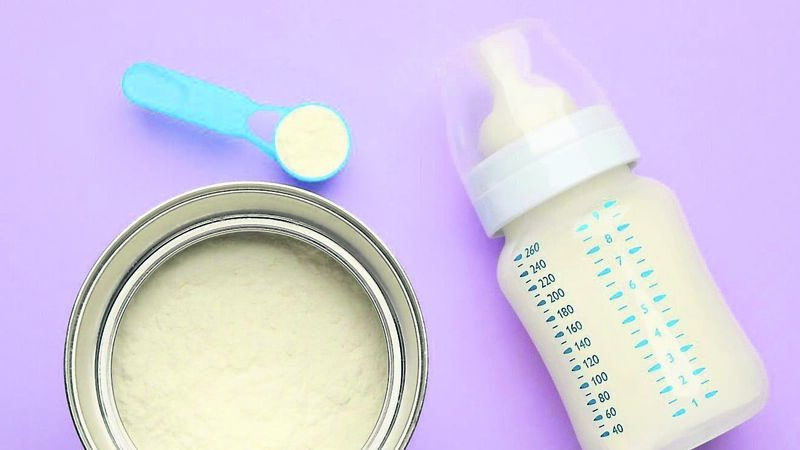
A growing scandal around baby food production, including for SMA infant formula and Aptamil, has led to questions about how health authorities monitor the sprawling global food supply chain.
Factories in Macroom and Wexford run by Danone, and in the Netherlands by Nestlé, have been connected to concerns in Ireland about a toxin called cereulide.
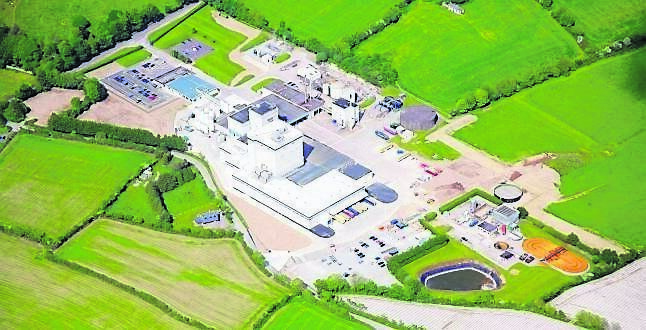
Department of Agriculture inspectors have been dispatched in recent days to the Danone factories to check for further traces of the toxin, which can cause food poisoning.
According to international reports, as many as 60 countries could be involved in the Nestlé recalls.
This is after the toxin was identified in arachidonic acid (ARA) oil made in China by a single supplier who works with many baby formula manufacturers.
Food chain experts in Ireland warned that very few processed foods only use local ingredients anymore, with systemic risks caused by overreliance on specialist suppliers.
In addition, a court case is now being taken against seven food companies in France by Dutch non-profit group Foodwatch, and eight families.
Foodwatch said: "Learning that the formula was sold for months by Nestlé and Danone — and even for a year in the case of Lactalis — is outrageous”.
The families described babies with repeated vomiting, persistent diarrhoea, fever, and stomach pains.
Other cases under investigation in Europe include two infant deaths in France, which have not been confirmed as connected to this scandal.
The Food Safety Authority of Ireland (FSAI) said that as of Friday, no Irish families had reported concerns.
It is “aware of these reports” on the deaths, it said, and is monitoring the situation with HSE public health doctors.
This toxin is produced by some strains of the bacterium Bacillus cereus.
It was identified in late November by Nestlé during checks of new equipment at its Dutch factory.
It produces baby formula there, but the toxin was found in ARA oil, an ingredient for the baby food sourced from a Chinese supplier.
Niamh Burke, associate professor in Food Science at the University of Limerick, said this is “very common” now.
“Modern food manufacturing operates within a highly globalised supply system, so even when a product is made in Ireland or elsewhere in Europe, some ingredients may originate outside the EU,” she said.
This can be due to cost, specialist processing capacity, or climate, she indicated.
“This isn’t unusual or automatically a safety concern,” she said, but it does mean “strong traceability systems, supplier approval processes, and harmonised food safety standards are essential”.
In this case, a Nestlé spokeswoman said the oil was from a natural, non-animal source.
It is a polyunsaturated fatty acid, and she said it “plays a vital role in brain development, immune function, and overall cellular growth".
Nestlé only began contacting EU countries in mid-December, which has caused concerns.
The first Irish alert flashed out on January 5 after the FSAI was alerted that several affected SMA infant formula batches were sold here.
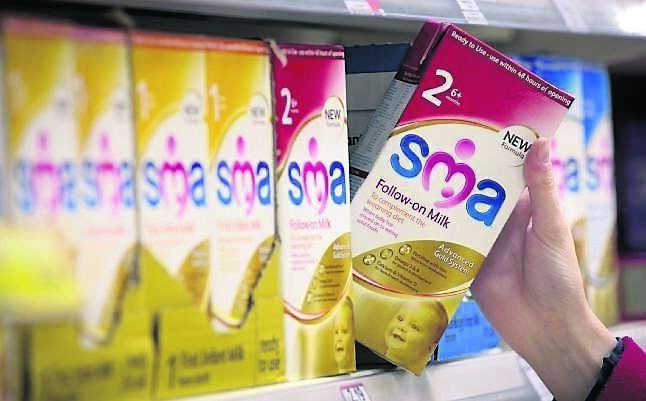
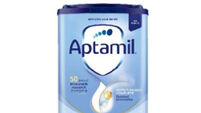
Danone's recall of several Aptamil products only began a few weeks later in Ireland on January 23.
On Friday, the Department of Agriculture said Danone reported the problems after it became aware it had received ARA oil from the supplier linked to recalls by other companies.
“The finished products that are being recalled were produced in Danone’s manufacturing site in Wexford and other Danone European manufacturing sites, using an intermediate product commonly known as base powder, some of which was made in Danone Macroom,” a spokesman said.
He said samples taken by its inspectors “have shown no presence of cereulide” from current production.
Food manufacturers here should have “robust supplier approval to ensure the safety and quality of raw materials”, he added.
Questions put to Danone by phone and email went unanswered.
Parenting groups, including the Baby Feeding Law Group, have raised safety concerns also.
Sarah Brennan, chairwoman of the group and a GP, wrote to health minister Jennifer Carroll MacNeill on January 14.
She noted the Nestlé SMA products included “specialist formula for premature infants and infants with cow’s milk protein allergy”.
She raised concerns about whether cereulide could also be found in other baby foods.
In the letter, seen by the , she said: “The manner in which this recall was communicated caused unnecessary distress and confusion among families at a particularly vulnerable time.”
Confusions about food origins are not just linked to this crisis, according to Ehsan Parandi, Marie Skłodowska-Curie Postdoctoral Fellow, Department of Biological Science, Bernal Institute, University of Limerick.
“I think that the surprise for consumers stems from a disconnect between the marketing of "local food" and the reality of industrial food science, which relies on a global pantry to ensure texture, shelf-life, and nutritional consistency,” he said.
Items can be marked 'Product of Ireland', but he said “this usually refers to where the final processing took place".
The use of one ingredient by several competing companies is also not unusual, he said.
“This is a phenomenon we call supply chain consolidation, and I believe that it creates a significant systemic risk,” he warned.
“While consumers see a wide variety of brands on the supermarket shelf, like Danone or Nestlé, the ‘upstream’ part of the food chain is shaped like an hourglass.
“You have millions of farmers at the bottom and millions of consumers at the top, but in the middle, there is a very narrow pinch-point of massive, specialised ingredient suppliers.”
Liz O'Sullivan, lecturer in Nutrition at TU Dublin, shares his concerns, warning of potential for formula shortages as “the most worrying thing” about all this.
She said: “Major formula manufacturers sourcing raw ingredients from the same company highlights that a contamination or supply issue at that company creates a risk of an even wider-scale recall than we are observing now.”
This is especially risky in the Irish context, she said, as “most babies in Ireland are formula-fed, and for those under six months of age, formula is likely their only source of food".
The FSAI confirmed that the recalls are connected.
Further confusion was caused by Danone initially thinking that the Irish-made products were for export only.
“One of the implicated products that was exported to the UK was sent to Boots UK,” the FSAI said. "Boots UK sold some of that product via its Boots.ie website for online sales."
“Danone then issued a second recall for these implicated individual packs of Aptamil 1 From Birth First infant milk, which were from a specific batch which was subject to Danone’s first recall.”
It said an International Food Safety Authorities Network shares alerts about non-EU concerns with European health bodies.
Liz O’Sullivan also called for more efficient management of the recalls.
“Ultimately, Ireland requires a dedicated co-ordinator for infant feeding during emergencies who can lead the response to formula recalls and other events that may disrupt infant feeding,” she advised.
CONNECT WITH US TODAY



Be the first to know the latest news and updates