'It would have been a lovely gift to give another child': Bereaved parents urge organ donation
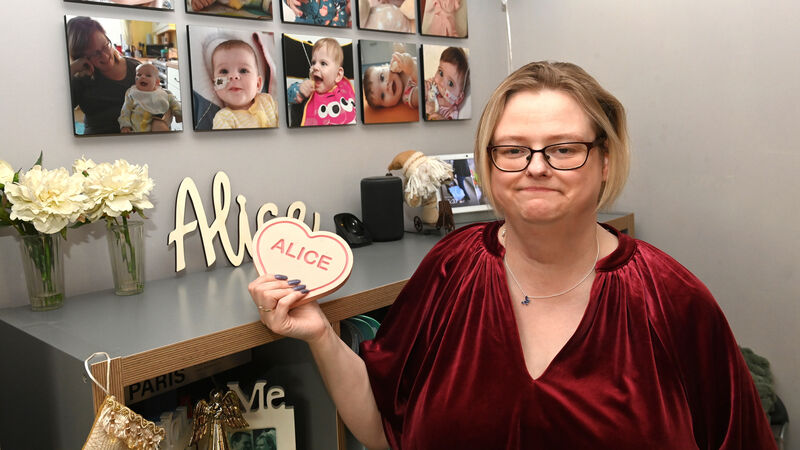
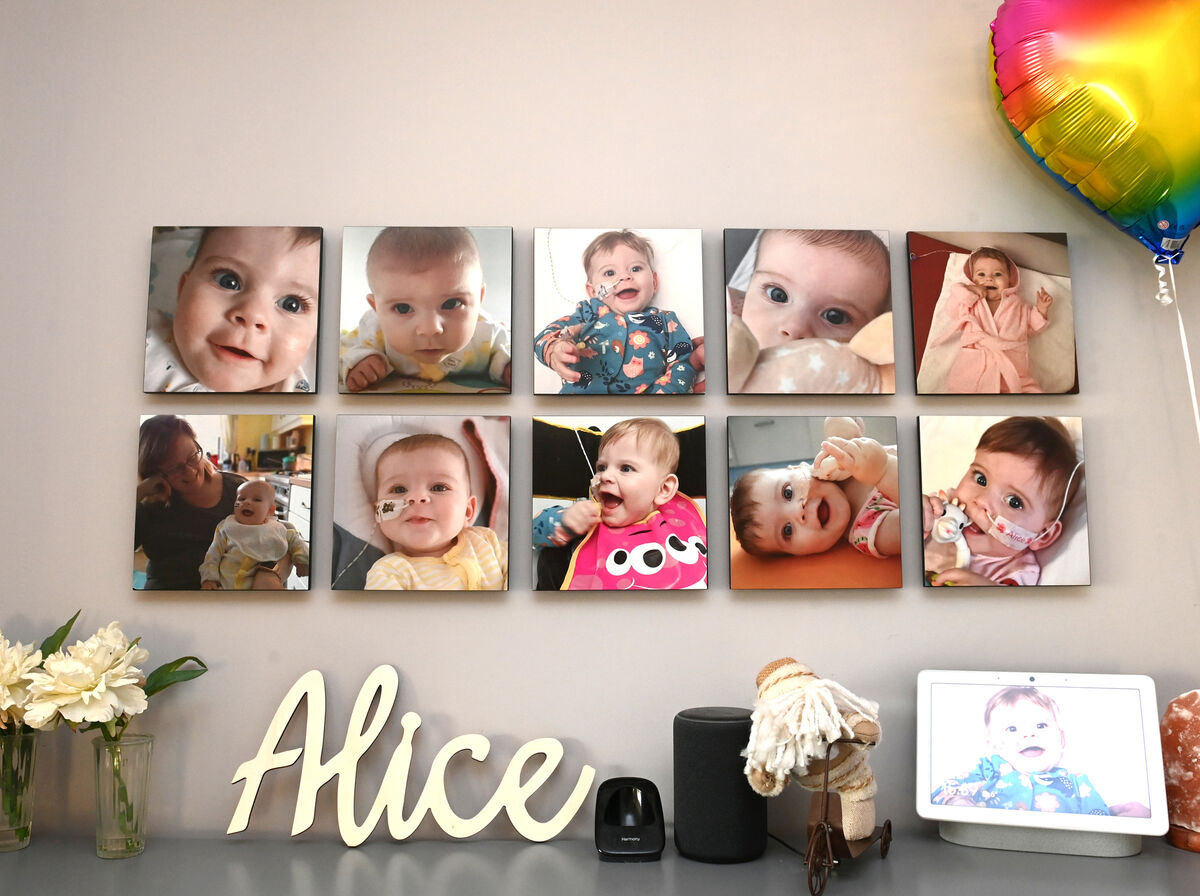
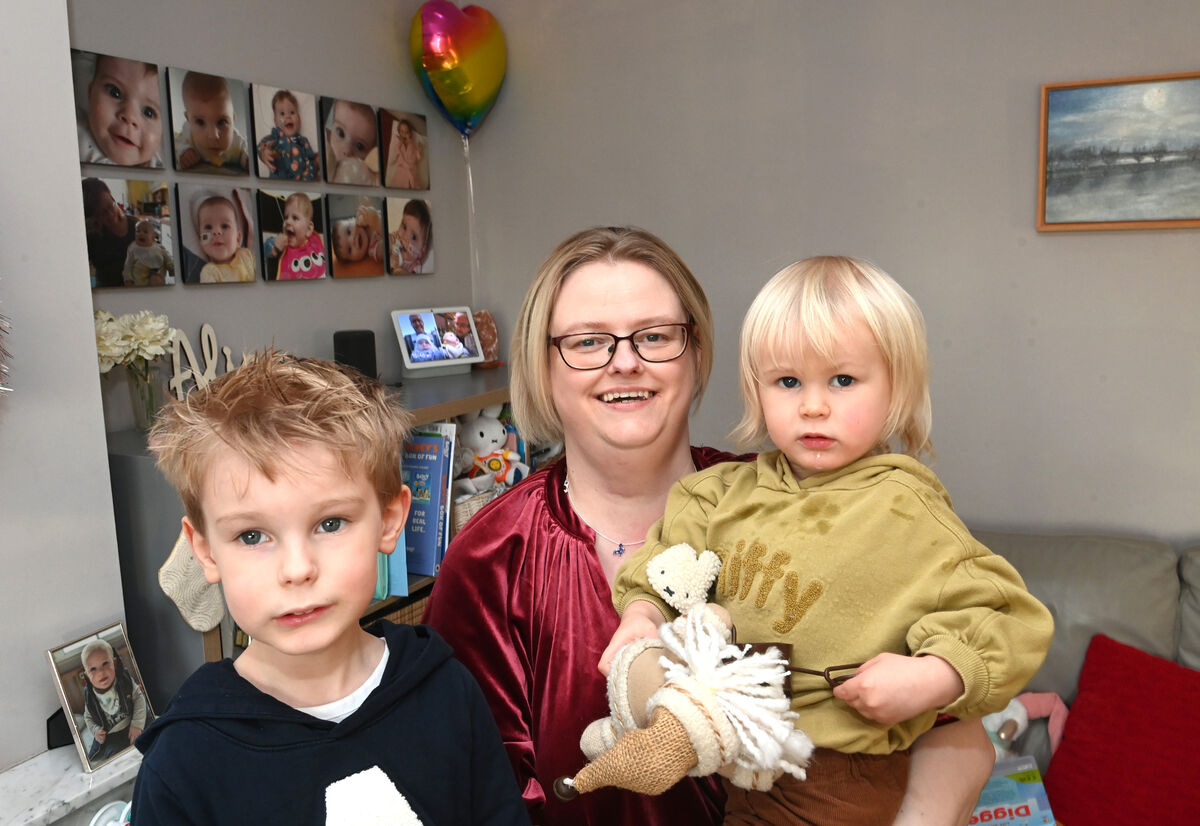
Majella Spang beside a spread of photos of Alice. 'She had the doctors baffled so many times because she fought so hard to live.' Picture: Larry Cummins
As Alice Aurora Spang took her last breath, her heartbroken mother begged the baby to look at her before she passed away.
But in those last few precious moments, the 10-month-old tot, who had battled heart failure since birth, stared past her mother before slipping away as she lay between her parents on a hospital bed.
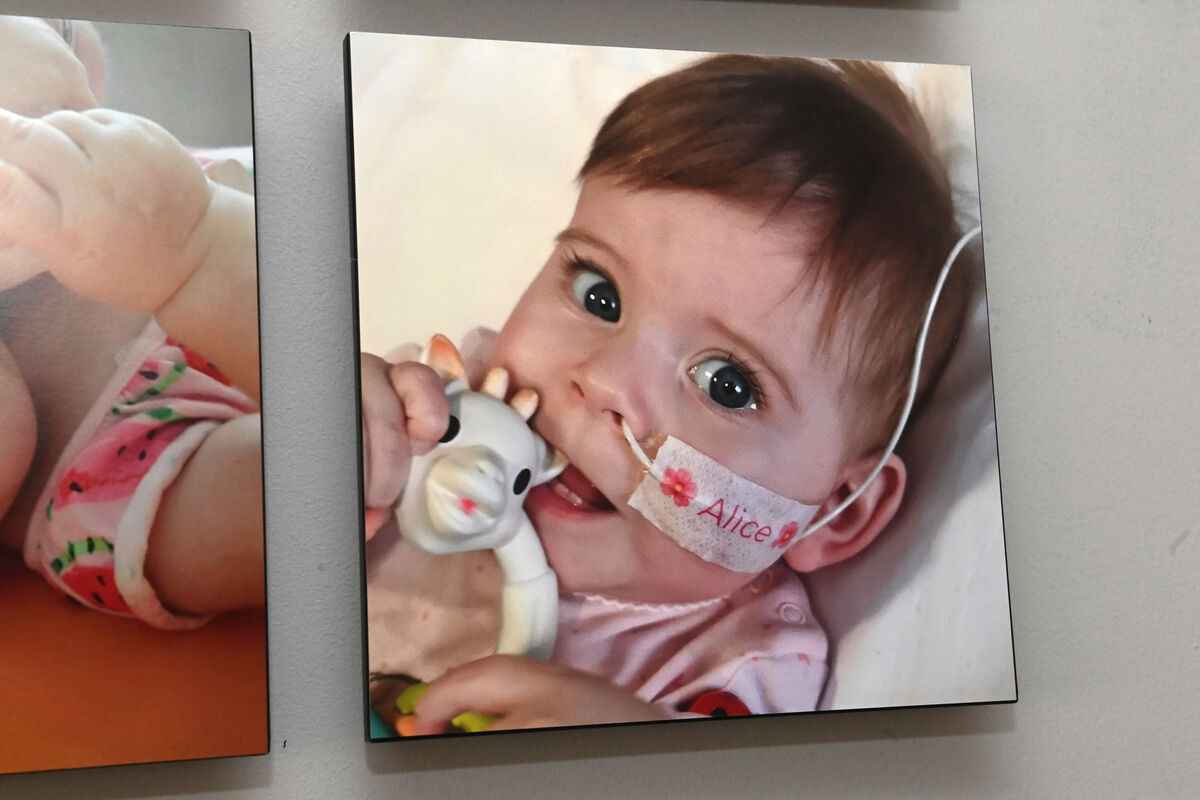
It was then that a strong feeling came over Majella Spang who realised “someone special was waiting for Alice”, after she gave her permission to go.
“I scooped her up and screamed,” she told the . “I wouldn’t let her go, and nobody came into the room to pronounce her death officially until I was finished crying.”
The girl had been diagnosed with dilated cardiomyopathy — heart disease — when she was four weeks old, after suddenly becoming sick and going off her bottles and struggling to breathe.
For the next 10 months, her parents Majella and Jan-Bart Spang went on a gruelling journey trying everything to save their daughter’s life. Baby Alice needed a new heart, but her sick tiny body did not have the time to wait for one — the waiting list was at least two years due to a lack of organ donations for babies.
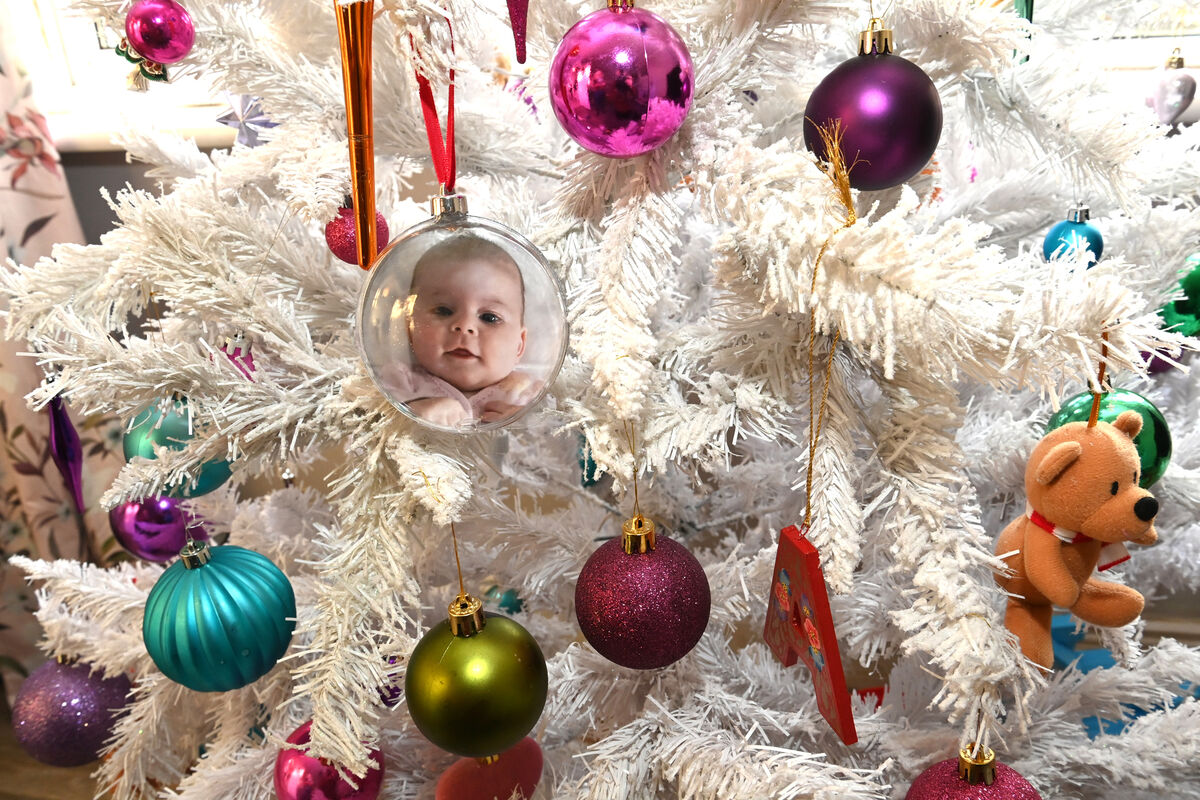
After a lengthy stay at Crumlin Children’s Hospital and trips to Germany and Great Ormond Street in the UK for a procedure and advice, Alice suffered multi-organ failure and died on November 14, 2019.
“I told her to go,” said Majella, “I felt she had done her fight. I said go to sleep, be with your grandfather (my father) in heaven and meet all your lovely family there.
“It was all I could do but it gives me hope that someone beautiful came for her. I am comforted now."
Since Alice's tragic passing, Majella, from Ballyduff, Co Kerry, and now living in Mallow, Co Cork, has been trying to highlight awareness around baby organ donation.
Alice’s family were unable to donate her organs because of how ill she was. This struck a deep chord with her parents, who wanted to give another baby a chance at life, but it was an impossible task.
“We could not even donate her eyes,” said Majella. “It would have been a lovely gift to give another child.
“It is so difficult to get organs for tiny babies, and Alice was on the donation list which is shared between the UK and Ireland. We are trying to make all parents aware of organ donation and put it out gently about what they might do if the worst ever happened to their child.”
The has previously reported that 300 people a day have added their names to the opt-out register for organ donation since new legislation was introduced six months ago.
The Human Tissue Act 2024 is aimed at increasing organ donation rates by assuming adults living in Ireland for at least a year consent to it.
Figures show 58,482 had opted out of the scheme by December 31 — that’s around 2,000 people per week since the legislation was introduced on June 17.
Up until then, people who wished to donate their organs after their death had to either carry a signed organ donation card, consent on their driving licence, or through the organ donation app.
Alice was born on January 4, 2019, at Cork University Maternity Hospital (CUMH) and was the first baby for Majella and her husband Jan-Bart Spang, who hails from the Netherlands.
While pregnant, Majella suffered with gestational diabetes and was concerned for her baby; however, Alice seemed to be doing well, weighing 8lbs but retaining some fluids.
“During my pregnancy we had two anatomy scans done,” said Majella.
“The nurse kept saying it was a technically difficult scan, and there was no clear view of her heart, but that the heart flow and blood flow were all fine.
“Really it should have been escalated if you can’t see the heart, they didn’t see the full structure of the heart.”
Four weeks later, Alice began projectile vomiting, and her parents brought her to the GP who referred her to CUH pediatric assessment unit, where X-rays revealed Alice’s heart was huge and failing and she was going into cardiogenic shock.
CUH contacted Crumlin hospital and a neonatal ambulance was organised for Alice to be transported urgently to Dublin.
“We drove up in the thick snow while I was trying to express milk for Alice in the freezing cold,” said Majella.
“We arrived before Alice at 3am and when she got there, she had to go to intensive care. Alice was at death’s door. We waited and had really no idea what was going on.
“We were grateful to get a single bed for both of us in the parent’s room, but it was 12 hours before I saw Alice again from when she left CUH to go to Crumlin and she didn’t even look like my child because she had been ventilated in Cork and was bloated.
“I was not allowed to hold her before the long journey; she was very sore to touch but they did let me kiss her. She underwent loads of tests in Dublin, and it was decided she needed a new heart.”
Figures from the HSE’s Organ Donation Transplant Ireland office show 202 organ transplants, from 68 deceased people and 29 living organ donors and their families, took place in 2025.
The HSE said it doesn't have figures on baby organ donations because they are so few and could identify the child involved.
“The population is so small here for organ donation and it is unfair to have to go to the UK for a transplant,” said Majella.
“We should have had a transplant centre built at the new children’s hospital, but we don’t. It really annoys me, especially when adult transplants take place here.”
That first week in Crumlin hospital Alice’s parents were met by medics from every department as they tried to determine what medical interventions she needed.
“They contacted a German cardiologist who specialises in cardiomyopathy. He recommended a re-opening of Alice’s atrial septum and changing her medication, but it may not work, he said.”
Alice went home to Cork after treatment but slowly deteriorated and went back to Crumlin where she received a stent, but her heart stopped, and the hospital realised she was worse than thought.
“She needed a heart sooner and Crumlin was in touch with Great Ormond Street, but I went back to the German medical team and Alice was then transferred there for a procedure on her pulmonary arteries, because she was having issues with breathing and blood.
“They did a procedure, but the right side of her heart collapsed, and she started dying. We had a choice to make — do open heart surgery to repair the valve or choose to let her go in Germany.”
They chose the operation, which Alice survived. She contracted sepsis but managed to overcome it and returned to Crumlin hospital.
“We had a few good weeks,” said Majella. “There was a tear in her gut and a bit of it died off during surgery in Germany and she had to have stoma surgery in Crumlin.”
Alice remained in Crumlin hospital and never went home after that. She needed to go on the transplant list, and the family and medical team restarted talks with Great Ormond Street.
“Alice was amazing, I always say she had at least seven lives as she kept rallying back to us and nobody expected it. She was determined and wanted to live," said Majella.
"She had the doctors baffled so many times because she fought so hard to live.”
The HSE covered all of Alice’s medication and treatment in Germany as part of the treatment abroad scheme. However, the family was told if Alice died there, the government does not cover the costs of repatriation.
Alice did not go on the transplant list until eight weeks before she died.
“I was fuming, I went from hope to no hope,” said Majella. “We researched as much as we could, but we just hoped for a miracle.
“Great Ormond Street hospital had told us they would eventually stop taking babies like Alice, her heart was so weak — which they did.
“It was very frustrating for us, and the UK hospitals were also in control of the ventricular assist devices like the 'Berlin heart'. She was refused this in Great Ormond Street — who never met Alice — despite the recommendation from Crumlin as the UK had the final say.
“The Berlin heart is almost like a pump that takes over the heart, and it needs a heart to work with.
“We were screwed; poor Alice had no luck and then we learned her condition was genetic and not from a virus, which made it more difficult.”
The family was told Alice would not make it if she did not receive a heart transplant.
“She really suffered,” said Majella. “She had this strong will in her; but she was really up against it.”
Despite all her setbacks, Alice reached every milestone and was giggling and babbling, and her parents often had her sitting on her chair by her bedside in hospital.
“She knew pure love,” said Majella. "We were there all the time; we had no other children so in that regard we were lucky.
“She slipped away that November and we just couldn’t turn it around,” said Majella. “In the end I gave her permission to go.
“I closed her eyes at 6.30am and stayed with her all day and sang to her. I always sang Phil Collins' . We played it at her funeral as we walked out of the church.”
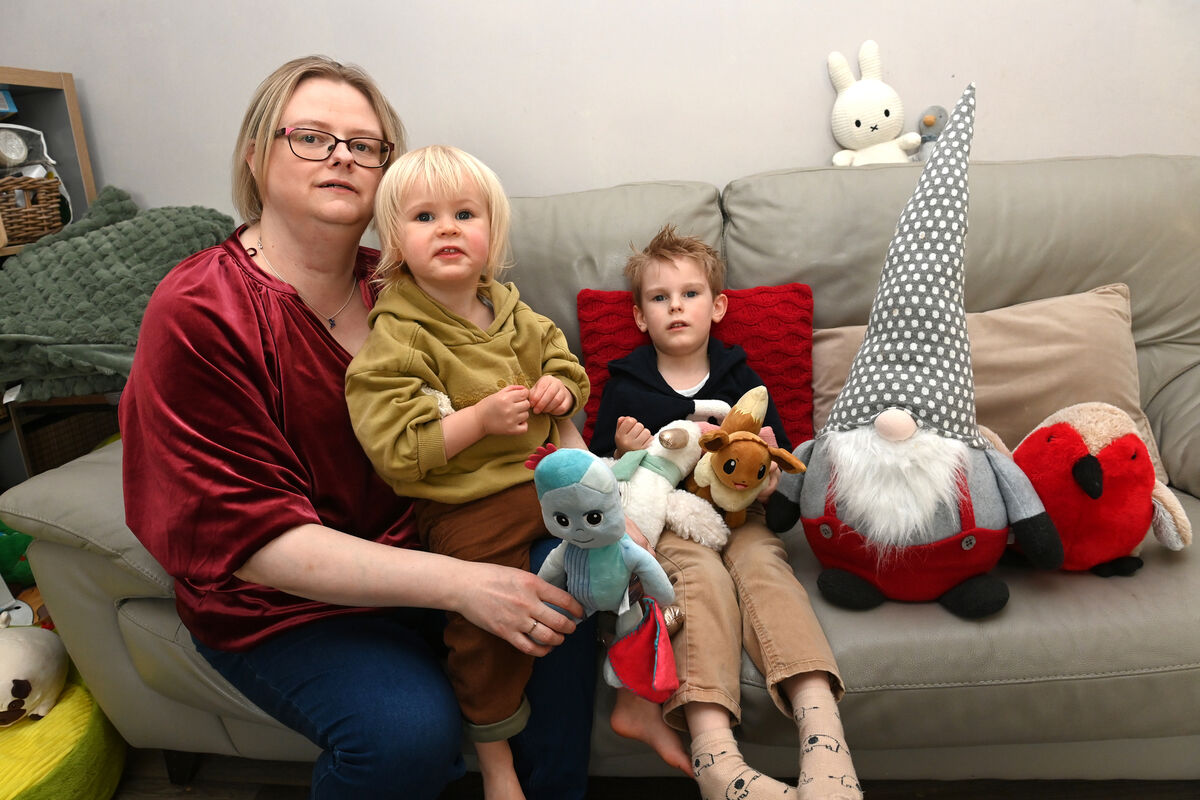
Majella and Jan-Bart have gone on to have two beautiful boys, Alistair and Arlo, who were born in 2021 and 2023.
“We had a long discussion with the genetics team before we had another baby as we didn’t want to put another child through this, but they were confident that our other children would be OK.
“Right now, my goal is to tell Alice’s story and to create awareness for organ donation and to find ways to help people. It is such a sensitive topic.
“If we can send people to Mars, we should try and use science to come up with an alternative to organ donation so that more can be done for children like Alice.”
In a statement, the HSE said: “In Ireland, the number of paediatric organ donations is relatively low. Therefore, most paediatric patients have their transplant operations (heart, liver, lung) in the United Kingdom, except for paediatric kidney transplants, which are undertaken in Ireland.
“The HSE does not release figures on paediatric donations because of the small numbers and the risk of identifying individuals.
“In 2025, the Human Tissue Act Part 2 introduced a soft opt-out system of consent for organ donation, which brings Ireland in line with international best practice.
“This applies to citizens 18 years of age and older. Most importantly, the defining principle of the new law is consent; it is still your choice whether you want to be an organ donor.
“It is still really important for you to let others know your wishes in relation to organ donation, in the event of your untimely death.”
CONNECT WITH US TODAY



Be the first to know the latest news and updates