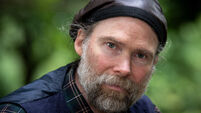
Sunny Jacobs’ death in Galway fire marks end of life shaped by wrongful conviction and resilience
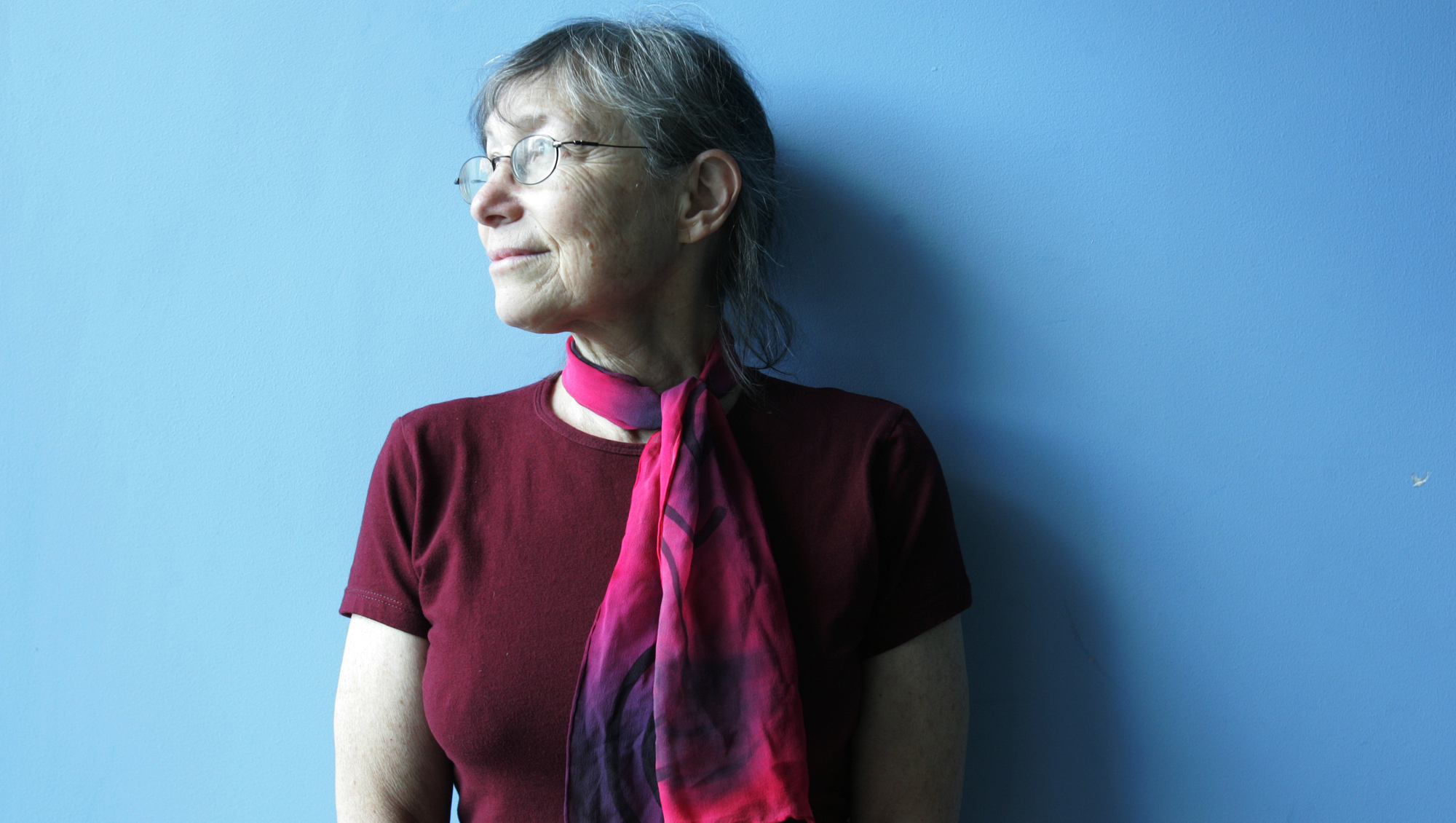
Sunny Jacobs who served 17 years in prison, including time on death row, after she was wrongfully convicted of the murder of a US police officer and a Canadian constable. Pictures: Leon Farrell/RollingNews.ie
As Sunny Jacobs sat in her tiny cell on death row, waiting to be executed for a crime she insists she did not commit, she decided the only way she could find some peace was to pretend she was a monk in a cave, and not a prisoner in a cell.
Every day, she would work on her mind, because that was all she had left that belonged to her.
As a young mother of two, Sunny spent 17 years in prison and five in solitary confinement on death row in the US before she was released — in 1992 — at the age of 45.
In 1976, she had been accused of murdering two police officers who approached a car she was in with her partner, Jesse Tafero, her two young children, and an acquaintance, Walter Rhodes, who had broken parole conditions.
As they approached the car, the police officers were fatally gunned down. Rhodes blamed the murders on Sunny and Jesse — who were tried and sentenced to death.
Jesse Joseph Tafero was put to death in 1990 — a malfunctioning electric chair meant it took several attempts and 13 minutes to kill him. Flames reportedly shot out of his head during the horrifying execution.
“I still grieve for him” Sunny said in her soft American accent when we first met in 2008. “It was so awful, really, all I could do was try to survive. I can’t imagine it, I try not to.”
Her parents, who were caring for her children Christina and Eric while she was in prison, were killed in a plane crash — Christina went into foster care and Eric, a teenager, learned to support himself.
Sunny Jacobs had experienced the worst type of hell on earth. After she had found peace and tranquillity in the west of Ireland years later, where she lived in an idyllic community in Casla, Co Galway, with people who adored her, she expected to live out her life in peace.
But sadly, that was not to be. Early last Tuesday, Sunny, who was 78, died along with her carer, Kevin Kelly, as a blaze ripped through her cottage.
It was a tragic end to a remarkable life that was documented in books, a play, and a film, .
All week, tributes have poured in for the woman who beat all the odds and had survived nearly two decades behind bars.
Her RIP notice said “We share the tragic news of Dr Sunny Jacob’s tragic death at her home in Casla, Connemara, Co Galway on June 03, 2025.
“Sunny, a beloved member of the community as well as the wider international community where she was well-known for her humanitarian work and as an activist supporting and giving a voice to others.
“She is a huge loss, and will be heartbreakingly missed by her daughter Christina, son Eric, and grandchildren, Claudia, Jesse, and Bella. She was loved and will be missed by many, many close friends and family. Proceeded in death by her spouse Jesse Tafero, and her late husband and activist, Peter Pringle.“
The first time Sunny Jacobs told me her story was in 2008 when I worked on a late-night talk show.
She recalled how after Jessie’s horrific execution, Walter Rhodes confessed he had fired the fatal shots,
“He confirmed what Jesse and I had said all that time, but it was too late for him, and I had lost so much, my children were not with me, my parents killed so horribly,” she said.
“I had some control over my mind, but I had to learn to work with my mind and that is where I learned meditation, yoga, mindfulness and how important it was.
“It kept me alive, it really did, so I began working on my mental state, I pretended I was a monk praying in a cave and not a prisoner in a cell. All those dark days when you are alone in that cell, with no window and no light, you have your mind, you either lose your mind or use it to its full potential."
By deciding she was not going to be a prisoner, Sunny believed she gave herself some hope.
“Outside of my cell and the prison, death row, the world, the death of those police officers, the death of Jesse, my parents’ deaths, my kids being left without parents, that was the nightmare.
“I would allow myself to be really really angry for a few minutes, and then I began to believe I was a monk. I was in a cave and not a cell, I was not a prisoner, instead I was a monk.
“I’m not particularly religious, I just wanted to find peace and somehow this drove me to peace and my own mind saved me from hell.
“I know what happened was awful but why think about it now?” she said years later. “I came here to Ireland to find peace and I did get peace. I am surrounded by a lovely community”.
For years afterwards, Sunny and I spoke to each other on email and the phone. Every so often, she would pop up on chat, when online chat first went live.
She would say things like: “Hey again, this is like meeting on street corners, I’ll talk to you real soon."
She told me about that awful night in the US, and although she did not witness the events from inside the van where she was sleeping with her children, she has always said Walter Rhodes murdered the police officers.
Having fled the scene in the police car, they were captured at a roadblock and arrested.
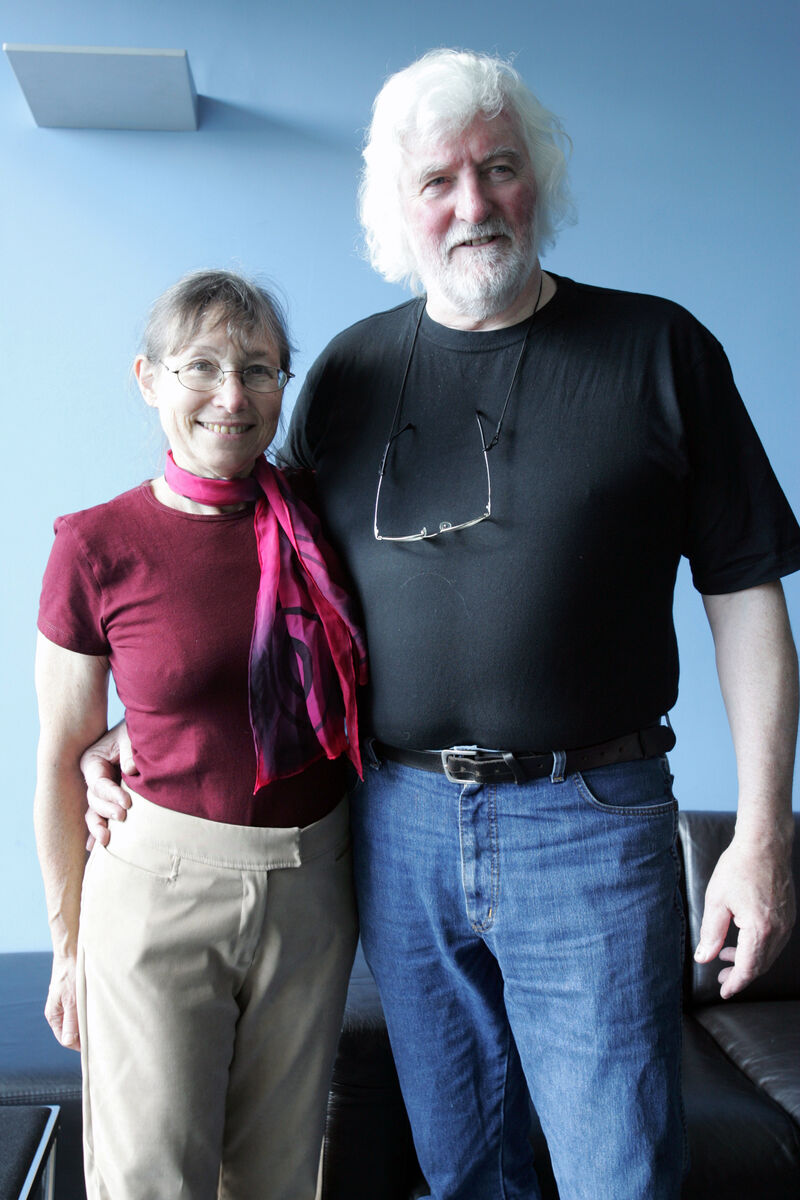
Sunny Jacobs and Jesse Tafero were sentenced to death, while Rhodes was given three life sentences, despite being the only one to have tested positive for traces of gunpowder.
Sunny, when freed, went on to live in Galway with her partner Peter Pringle, who led a parallel life to hers, having been wrongly imprisoned himself for 15 years.
“I think the universe brought us together as a gift because both of us had chosen the path of peace and healing, rather than revenge or retribution” she said.
That path included forgiving those responsible for what happened to her, but she said it was not a selfless act.
“For me, forgiveness is a selfish act that I do for myself so that I don’t have to live with hatred in my heart and I can fill those places with joy and love and happiness instead and it’s just as simple as that.”
Her ability to forgive always astounded me because she suffered so much in her life. I told her I would understand if she hated the world. But, "I never did", she said.
“Christina went into foster care, and she believed we were guilty of those crimes. My son Eric had to make his own way in life”
By the time Sunny was released from prison in 1992, her children were adults, her son was a dad, and she had to learn to live a new way.
“I was not the young mother anymore with my two tiny children” she said. “I was in my 40s, and they were all grown up.” She met her future husband Peter Pringle through Amnesty International in Galway after her release.
He had also been on death row in Ireland for the murder of gardaí John Morley and Henry Byrne in July 1980. He had spent 14 years in jail before being released, saying he had been exonerated and later wrote a book claiming he had been framed.
They set up the Sunny Centre together and worked in mediation and trauma healing.
Peter died on New Year’s Eve at home in Glenicmurrin in 2023.
Despite all the horrors in her life, Sunny found peace in Galway. She had an incredible emotional intelligence and an ability to see outside the trauma and terror — working on her mind so she could find contentment.
“When I realised they could not take my mind in prison, I was able to see a future, and moving here to Galway I found that future, and I found my peace.”
CONNECT WITH US TODAY



Be the first to know the latest news and updates