'Everything was so festive': The Ukrainians spending Christmas with Irish families
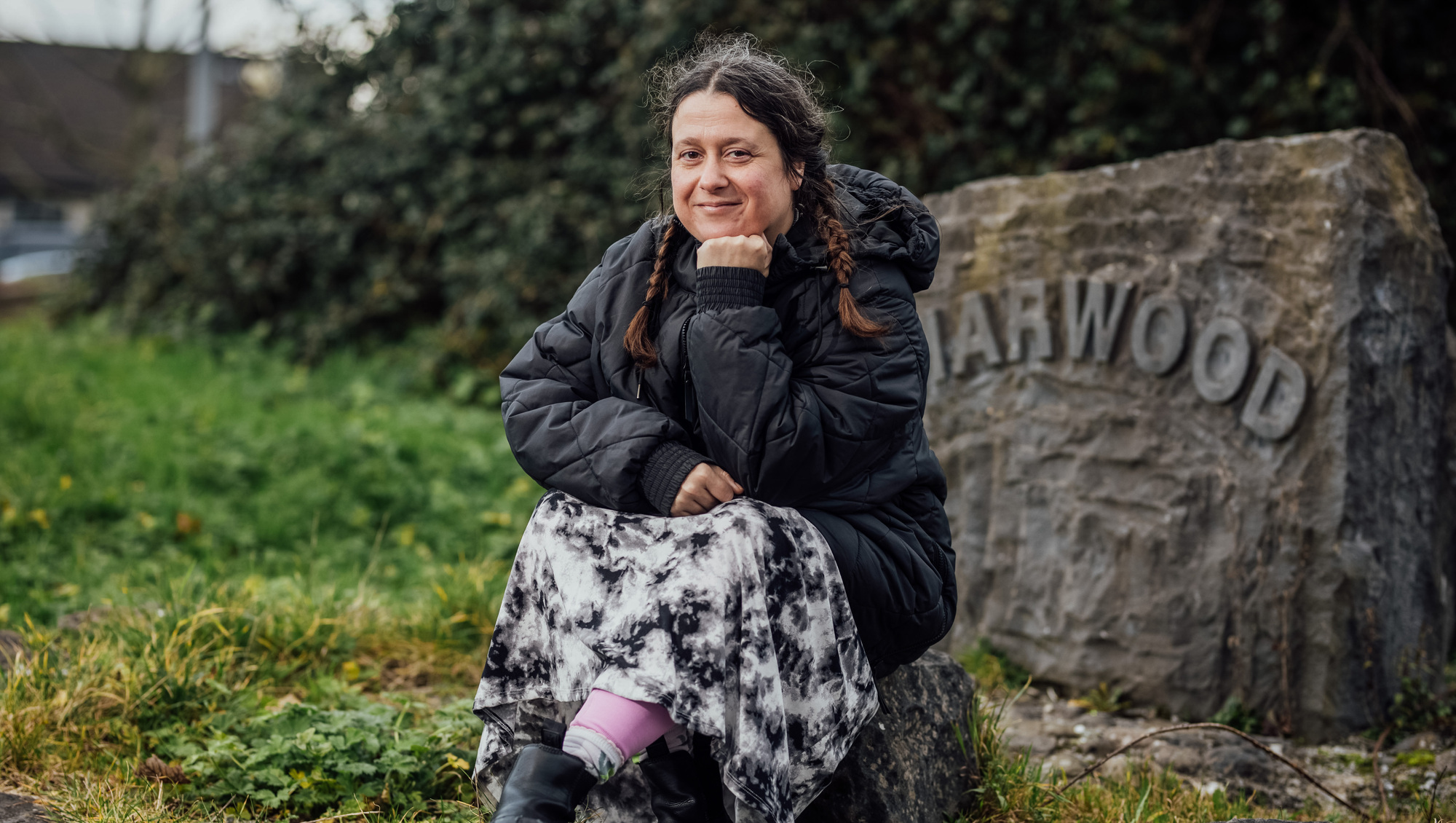
Hanna Tomylets in Newcastle West, Co Limerick, where she is being hosted by an Irish family. Picture: Brian Arthur
Coming home for Christmas usually serves as an antidote for homesickness, something Hanna Tomylets from Ukraine is currently experiencing.
However, there is little she can do to remedy her longing to be at home with her family during the festive period.
“There is no safe place in Ukraine at the moment because of long-distance missiles,” she says on the phone as she leaves work in Limerick.
“I'm here in Ireland for about a year but every time I hear the sound of a plane or a helicopter I'm feeling terrified because I remember the sounds of the planes flying around.
“You never knew if they were Ukrainian or Russian,” she said.
Since she moved to Ireland, friends of the 38-year-old have been injured and had their homes destroyed while her parents, who are in their 60s, remain there.
Her hometown, Chernihiv, is close to the Russian border and was besieged by Putin’s troops in the early months of the invasion.
It was attacked just four months ago when a missile struck a theatre, resulting in seven people, including a six-year-old girl, being killed, while 148 were injured.
Despite this, her parents remain adamant about staying.
“I'm extremely worried, I would love them to move somewhere else, but they say that this is our land, this is where we belong, and this is where the graves of our parents and grandparents are located,’ she said.
Before the invasion of her home country, Ms Tomylets was living a “normal life”, working in marketing and pursuing new hobbies like pottery. However, soon after February 2022, air raid sirens became the new normal.
She said Russia was bombing Ukraine at unexpected times, making the anticipation unbearable.
“I realised that all the shellings and everything that was happening was influencing my mental health and I felt very depressed, very anxious. I was not able to sleep properly,” she said.
Ms Tomylets left in October 2022 after her concerned cousins and sister, who already moved abroad, convinced her to do so.
She has lived in Newcastle West with her host family for over a year now, with them becoming a home away from home while she has built a new life, working as a civil servant, learning Irish through Duolingo and making friends across the country — both Irish and Ukrainian.
“The people are very nice, the country is beautiful and I feel at home here, I feel that I belong here,” she said.
After arriving in Ireland, she spent two weeks in temporary accommodation for Ukrainians, many of whom she is still in touch with.
“Mostly older ladies that don't speak English and don't really have a lot of experience with using modern technology, so I still talk to them and help them,” she said, adding one of those women is learning English while living in a hotel in Cashel, Co Tipperary.
Ms Tomylets really found her feet, however, when she moved in with a family in Limerick, through Helping Irish Hosts, particularly crediting a volunteer called Muireann for the success of her living situation due to being a “really good match”.
“I'm really grateful to her because I'm staying with them for more than a year now and it's perfect.
“I would have never believed that you can just meet some people somewhere really far from home and they will be so close, that they would be just like family to you,” she said.
She said it was more than just “hosting me as a refugee, It's also a personal connection” adding she often spends quality time with them, whether that be watching TV, eating dinner together or going on trips during the weekends.
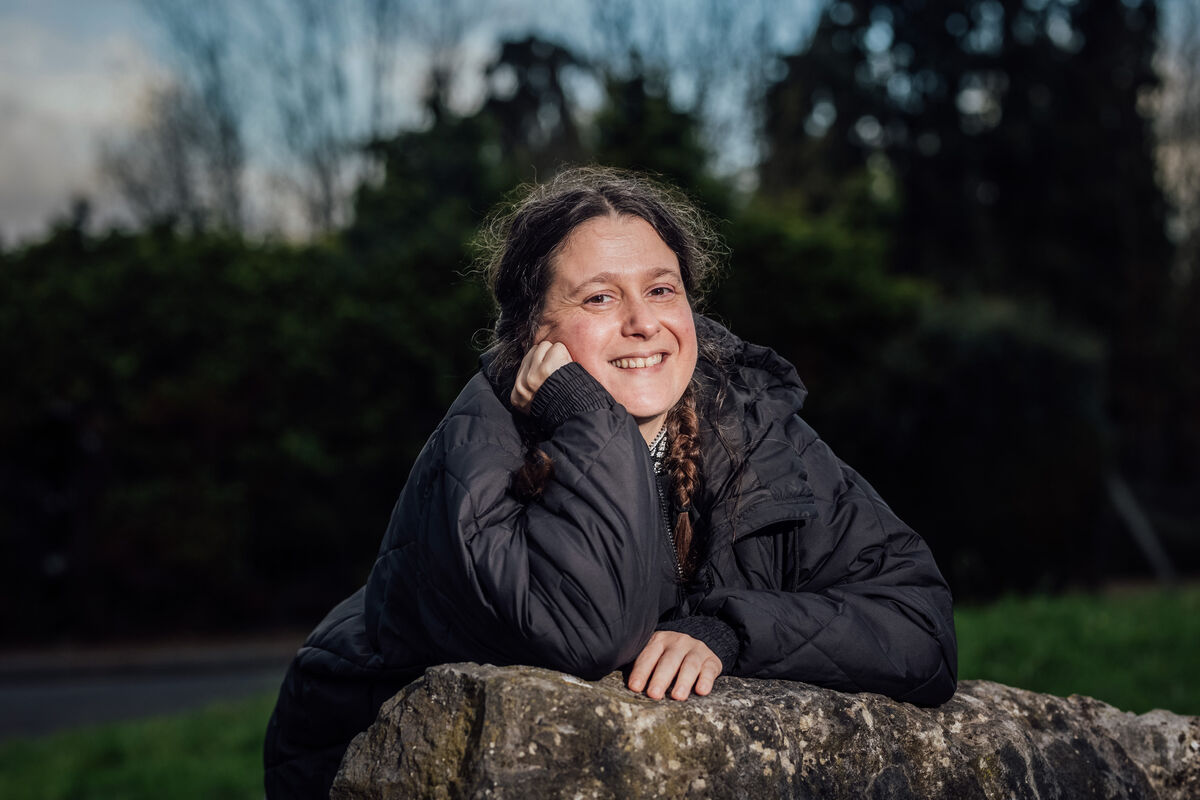
At this time of year though, it is hard for Ms Tomylets as she and her family would usually gather for the Christmas period.
She said she has spoken to displaced Ukrainian friends across the world who are feeling homesick, while also coming to a collective sense of regret “that nothing is going to be like it was before because some of the places that you loved and knew are not existing anymore, they’re destroyed”.
Last year she spent Christmas with her host family.
“Everything was so festive — all the decorations and people — it was really lovely,” she said.
This Christmas, Ms Tomylets is travelling to Wexford to spend the holiday with other displaced Ukrainians, as well as Irish friends made along the way.
“It will just help me recreate the atmosphere of my home Christmas,” she said, adding she dreams of being able to return home someday.
Eibhlín De Paor in Firies in Kerry has been hosting a woman in her 50s and her father, who is in his 70s, since March.
“I felt I was in a position to do it and I just felt I had to do something,” she said, adding: “I didn’t feel so helpless.”
She said a key part of the success of her hosting was the Helping Irish Hosts agreement, which allows hosts and guests to “manage expectations” surrounding their living situation, and bill contributions.
“It's not that we stuck to the letter of law on it but at least there were a lot of things named and discussed,” she said.
“If you have a house share with anybody, you're going to have little bumps, but we trust one another.”
“We haven't had any issues that we haven't been able to figure out ourselves,” she said.
Her guests from Kherson helped her put up the Christmas tree and are planning to attend a local carol service closer to Christmas.
“They're very happy here, they have nothing but good things to say about the Irish,” she said.
“They're just like us and overnight, they've had to leave with literally the clothes on their backs and they can't go back, it's too dangerous,” she said.
“They're so positive and resilient.”
Ms De Paor, who lived alone before hosting, said although the man does not speak English, she can still speak to him about soccer or through Google Translate.
Helping Irish Hosts founder and chief executive Angie Gough said the fact 27% of Ukrainians in Ireland are hosted by Irish homes is a testament to the kindness of Irish people.
This compares to the EU average of 8-9%.
However, the figures of those being hosted also scare her at times, as about 9,600 homes are currently hosting just under 20,000 Ukrainians.
“It’s an indication that people want to step up, show solidarity and do their bit and play their part, but how long you can draw on people’s goodness like that?
“Where is everyone going to go? There’s still no long-term plan,” she said, adding hosting figures in other European countries are falling.
A spokesperson for the Department of Integration said the number of Ukrainians that present to Citywest each month, having previously been accommodated in pledged or private arrangements is “very small”.
The figure is currently averaging at 60 per month, or 2% of all those seeking State accommodation.
“I would predict in January that’s going to get worse,” she said. “Hosting is not a long-term solution, we need to stop thinking short-term.”
More than 15,000 households have hosted at one point or another, with Ms Gough saying she does not believe there will be many more new pledges.
Ms Gough, who has hosted three separate families since the invasion, said the mood within the Helping Irish Hosts network is still very positive, something she puts down to the amount of work done on matching hosts with guests.
“It’s really important to get the match right and manage people’s expectations from the outset,” she said
In a recent survey of over 1,400 hosts carried out by HIH, 91% of respondents had a positive hosting experience, while 82% intend to extend their hosting, 47% of whom plan to do so indefinitely.
Just 2% of hosts said they would not recommend hosting to others.
Along with matching over 2,300 Ukrainians, Helping Irish Hosts runs a support network for hosts across the country.
Ms Gough cautioned against making arrangements to host Ukrainians outside of any system, saying without guidance, proper matching or setting out rules at the beginning, things can go wrong, which is a concern.
“People might think they’re renting or there’s a real power imbalance in the relationship where somebody just feels they have to be quiet,” she said. “These are vulnerable people who are desperate for accommodation.”
“It’s going to get harder and I think there’s going to be a huge demand now for hosting among newly arrived Ukrainians,” she said, due to incoming changes which will see State accommodation being provided for up to 90 days.
She said 18% of those who were living here have returned to Ukraine, citing they could not find accommodation in Ireland.
“It’s just not realistic, nobody can afford it,” she said.
CONNECT WITH US TODAY



Be the first to know the latest news and updates