‘Cooking is not a needed life skill anymore’: How Ireland’s eating habits have changed
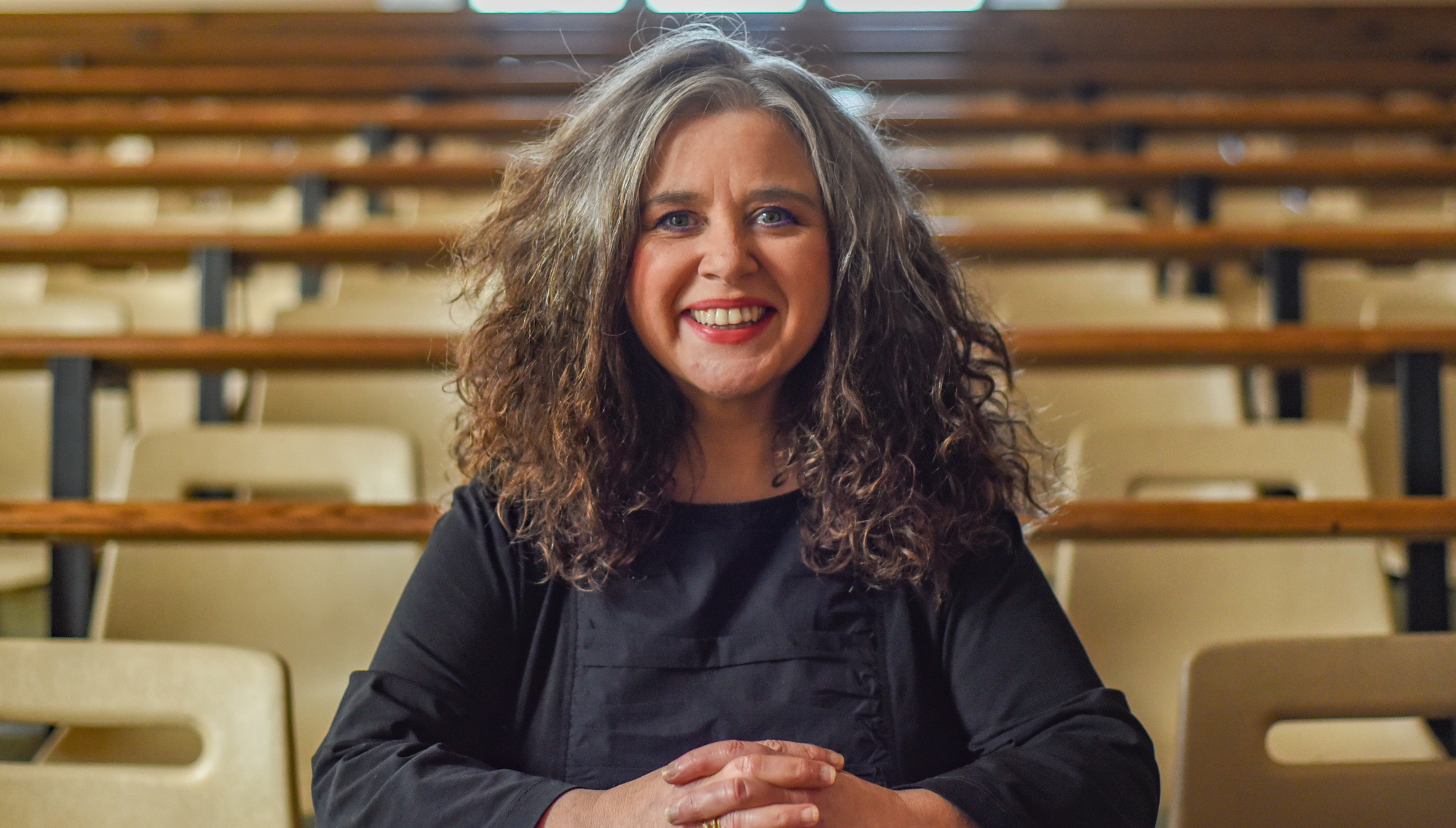
Regina Sexton, programme manager of the MA in Food Studies and Irish Foodways at UCC says cooking is not a needed life skill anymore.
Picture: Cian O'Regan
How would your grandmother, or heaven forbid your great-grandmother, react to your homemade Thai green curry?
How could they fathom that you can essentially have anything you want cooked for you by swiping the tip of your finger?
Eating habits and all things food-related have undergone immense change over the past few decades, opening Ireland up to a worldwide range of food and cultures.
Meat, or specific cuts at least, were once considered a luxury but now occupy a permanent spot on the majority of plates while dinners made at home would usually involve unseasoned meat, vegetables, and some form of sauce.
Going even further than that, certain days of the week might have corresponded to a certain recipe or dinner.
For example, Fridays might have seen fish set on the table, Saturdays would serve bacon and cabbage, while Mondays (and indeed still to this day for many of us) would involve a sad recreation of Sunday’s roast using leftovers, which may, unfortunately, include the dreaded microwaved mashed potatoes.
Perhaps the greatest change, however, is the freedom to not cook at all.
“Now, you can survive without ever knowing how to boil an egg. Cooking is not a needed life skill anymore,” said University College Cork (UCC) lecturer Regina Sexton for whom the topic of food is her bread and butter.
Ms Sexton recalled hearing a recent Christmas radio advertisement for Deliveroo called “Anything Goes” which urged listeners to “Cantonese their Christmas Eve” and give Santa what he really wants — tacos.
“Instead of people shaping their own food culture at the moment, it’s like Deliveroo is shaping change and development in Irish food culture which is really interesting because if you think about it, you have everything to hand now.
“The range is so wide, you can get everything and people are, they’re ordering in food because it’s so easy,” she said.
According to Ms Sexton, who is the programme manager of UCC’s MA in Food Studies and Irish Foodways, delivery platforms like Just Eat, Deliveroo, and Uber Eats are setting down perimeters for cultural change before our very eyes by suggesting alternatives to our perhaps untouchable turkey, ham, and spiced beef.
Although many were able to revisit their love of cooking during the pandemic and its many lockdowns, the vast offering and easiness these platforms provide align well with the busy working lives of many who have once again put away their chopping boards.
The substantial growth in food delivery platforms has also provided a boost for restaurants, according to Restaurants Association of Ireland chief executive Adrian Cummins.
Mr Cummins said apps such as Uber Eats and Deliveroo now form “an integral part” of the food service industry.
“In what is a very positive development for our sector, the popularity of certain food delivery platforms in recent years has allowed certain restaurants and cuisines to reach a wider audience, making them more accessible to consumers and offering a vital revenue stream to local businesses,” he said.
However, Mr Cummins added a caveat that ordering directly from local restaurants “will always be the cheapest option”.
“Our relationship with food at the moment is very different to the one we had about 25 years ago,” Ms Sexton said, adding that change in food culture and eating habits is constantly happening, even now.
“People sometimes want to think that the past was much better and that it might have been less confusing and that people were cooking more and food was better.
“We tend to have this rose-tinted glasses view of the past,” she said.
And although there were of course positives to be found amongst the food prepared and cooked, more often than not it was typically monotonous, she said.
The early beginnings of the current landscape we find ourselves in, one of great choice and convenience can be traced back to the 1970s, Ms Sexton says.
At the time, restaurant culture was dominated by “mixed grills” and classic French cooking like the Michelin-starred Arbutus Lodge in Cork, however, this decade also saw a significant increase in ethnic-style restaurants like Chinese.
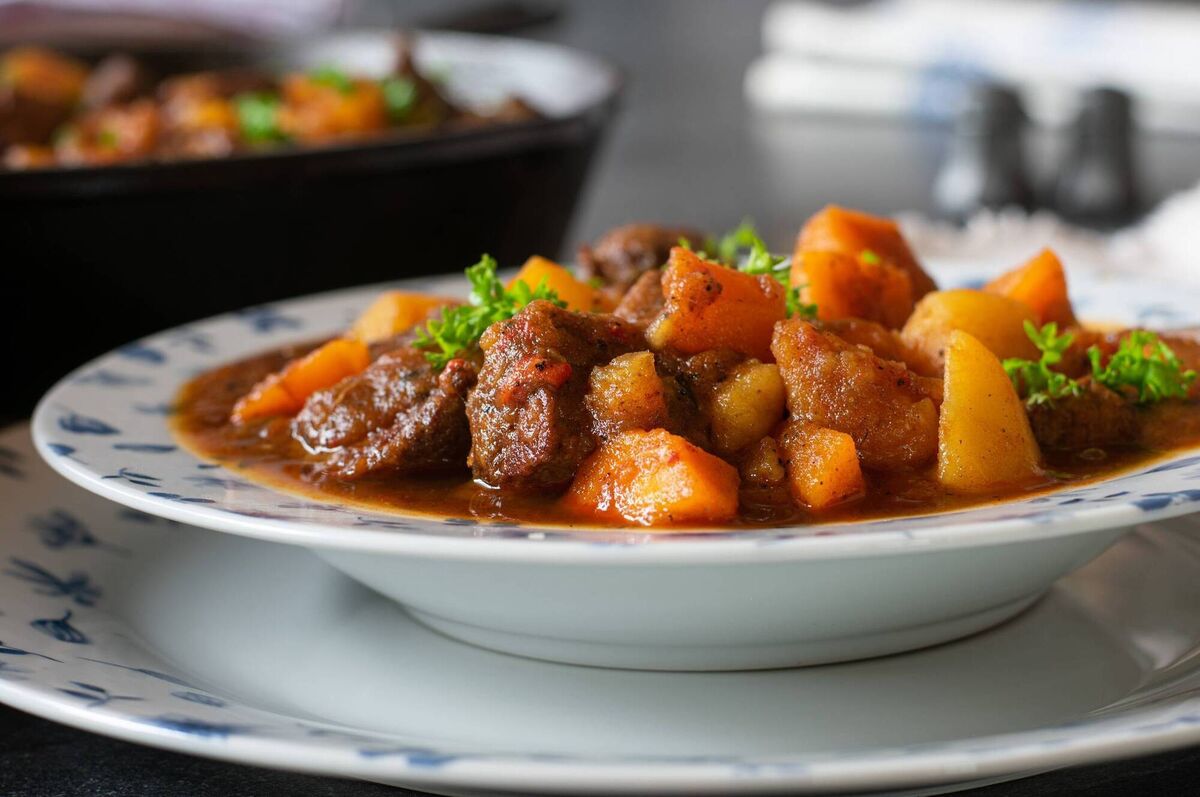
From the 1980s onwards, diversity for our palates grew thanks to the introduction of more ethnic-style restaurants eventually leading us to the situation we know today, having anything at the tip of our finger.
Meanwhile, grocery stores began to grow their offering of new and exciting foods from overseas.
The introduction of easy kits or easy-to-follow recipes that mimic certain cultures, such as Dolmio or Old Del Paso, further diversified our weekly meals.
These introductions allowed families who were more traditional with their palates to safely dip into other food cultures.
But a huge aspect of the greater access we have to diverse food is the cost and although it might not feel like it at the moment, food is far cheaper than it was in 25 years ago.
The cheaper food as a result of mass production which filtered out through ever-growing monolithic supermarkets led to far more variety and convenience.
With that convenience and diversity, however, the choice of cooking for yourself or having someone cook for you has become the new age struggle.
“For some cohorts in society, cooking is something they want to do because it’s a lifestyle thing or it’s fashion, and some homes might be very keen on safeguarding the nutrition of food, particularly if they’re feeding children,” Ms Sexton said.
However, with these accelerated changes in how we buy, cook, and eat since the 1970s, a whole array of complexities and consequences have arisen concerning health, ethics, and climate change.
“Some people don’t think about it, they’ll just go and pick things up, other people do think about it because how we consume now has consequences which seem to be quite serious for sanitary health and climate health,” she said adding that the impact of meat on the environment in particular has become a “contentious issue”.
“We might be distanced from understanding how food operates within those contexts,” she said, adding that consumers might be unaware of how or where it’s produced, and who it’s produced by.
Not questioning these details “gives up a sense of power” which could lead to a lapse in various standards including quality, animal welfare and climate impacts.
Another burden due to convenience and ultra-accessibility sees Ireland waste about 800,000 tonnes of food each year.
In addition to cheaper food, a change in shopping habits has contributed to Ireland’s food waste problem as households moved to weekly “big shops” which project into the future.
“You’re probably buying stuff you don’t need, whereas if you were shopping every day like a lot of mothers would have done, they knew what they wanted for that day and they didn’t buy stuff for four or five days down the line, that would have been unheard of 30 or 40 years ago,” she said.
In good news for food waste, however, our shopping habits are changing meaning that the weekly shop might be on the way out with consumers opting to buy less more often.
The current cost of living seems to be encouraging people to question what they’re buying and how often they do so, something evident in the latest data from market research firm Kantar.
For example, shoppers made an average of 21.3 trips in November, which is up 4.4% while the volume of groceries purchased continued its decline, down by 4.4% when compared with the same time last year.
Aldi Ireland managing director of buying and services Colin Breslin said there has been a significant change in shopping habits amongst consumers over the last 12 months in particular.
“There is a notable shift towards more economical choices, with shoppers gravitating towards smaller pack sizes, more frequent shopping trips and engaging in more batch cooking to optimise resources,” he said adding that there is a marked preference for own label options over brands.
“Consumers are actively seeking value-driven options, making own-brand products even more appealing as part of a weekly shop,” he said.
Mr Breslin added that certain shopping habits hint that households are increasingly recreating takeaways or restaurant experiences at home, choosing to buy “make it yourself” style products.
That coincides with Bord Bia’s recent Foodservice Market Insights report which found that eating out is becoming less frequent with consumers opting to save dining in restaurants for special occasions.
Its survey found that 86% of participants in Ireland believe dining out has become too expensive to do regularly.
In addition to treating oneself and spending time with family, convenience and speed when not wanting to cook at home were cited as reasons to eat out.
The report also found that value for money is a main motivator for consumers when they do decide to dine out.


CONNECT WITH US TODAY



Be the first to know the latest news and updates