'Pregnancy and childbirth do not stop in a crisis': Women in Syria forced to give birth in the open

Khalil al-Suwadi holds his niece Afraa, a Syrian baby born under the rubble after the February 6 earthquake that hit Turkey and Syria killing her parents and siblings, in the rebel-held town of Jindayris in northern Syria, on February 21. Picture: Rami al Sayed / AFP via Getty Images
Almost 15,000 women in Syria are expected to give birth in the coming month, but aid agencies warn some are doing so in the open as so many hospitals collapsed during the devastating earthquake.
Mothers in the war-torn region face additional challenges, with one mother of three children under five feeling the loss of her husband now more than ever.
Women have spoken of their terror, with many left without family, homes or any of the baby clothes and equipment they need.
More than 10,000 buildings were destroyed in north-west Syria one month ago by the pre-dawn 7.8 magnitude earthquake, followed by multiple aftershocks.
Aid workers have said, however, this is not only a natural disaster as the harrowing war conditions are adding to the “shocking situation”.
Only weeks before this happened, UN service Reliefweb estimated there were 1.8m people living in camps in north-west Syria, displaced by the war.
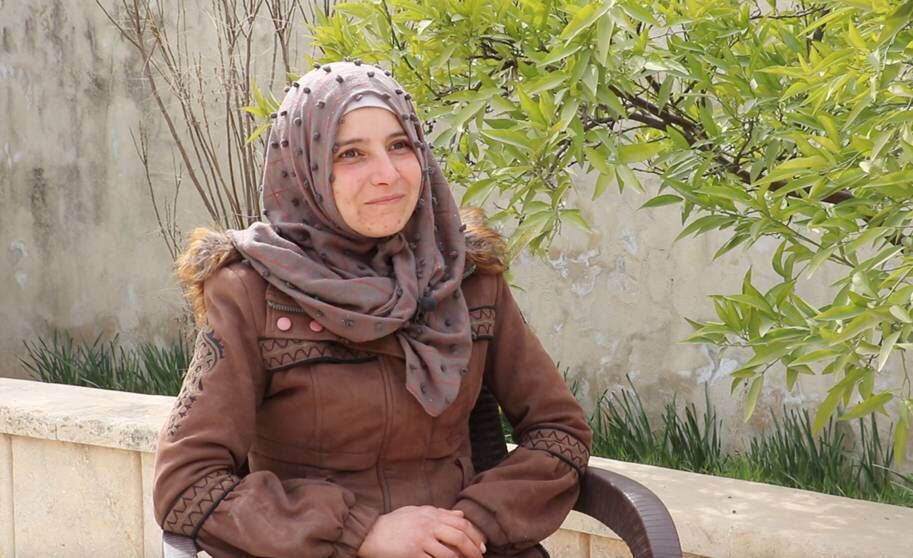
In one camp in the hours before this eruption, Noor, 26, whose husband has been missing for three years, was asleep with their three children.
“And suddenly we felt that the ground was shaking beneath us, and we woke up to fear, terror and the screaming of children,” she said.
“The situation was very bad.’
The children are aged between five and three — the youngest has never met his father as he disappeared when she was pregnant.
"After the earthquake, we had a psychological complex and the children no longer dared to enter the house,” she said.
“They became afraid of the house, and they started crying at night. They tell me: 'Mama, we don't want to sleep at home. We can't.’"
She goes for help to a safe space run by Syrian charity Violet, which partners with Action Aid, which also works out of Ireland.
“They [the staff] made me feel comfortable, and helped relieve the trauma and impact of the earthquakes. You feel at home; you feel they are like your family,” she said.
“It is a difficult challenge for a woman to be alone, without a breadwinner, without a family, without anyone beside her. It's really hard.”
ActionAid warned: “In this war-torn region, where 80% of those displaced are women and children, the scale of this tragedy is unprecedented, and the situation is deteriorating daily.
"Pregnancy and childbirth do not stop in a crisis. Right now, women are giving birth in dangerous circumstances including out in the open.”
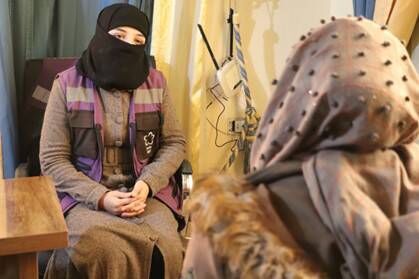
For Violet worker Sojoud, 23, supporting childbirth is a great concern.
“We've all heard stories of pregnant women miscarrying out of fear or terror or women who gave birth during the earthquake, like the baby girl they pulled out of the rubble, the one we saw on social media, there are a lot of such cases,” she said.
This newborn girl was pulled from rubble, still attached by the umbilical cord to her dead mother, in the Syrian town of Jinderis. A relative told journalists her immediate family were all dead.
Sojoud, who has worked in northwest Syria for a year, saw other distressing situations.
“We met a woman saying: ‘I am in the ninth month, I had prepared the baby supplies, but now the house is destroyed, and I don’t have baby supplies now for the child, nor do I have anything [else] and I am about to give birth'," she said.
They distribute children’s clothing, medical supplies, including supports for breastfeeding and menstruation as well as transferring patients in their ambulance.
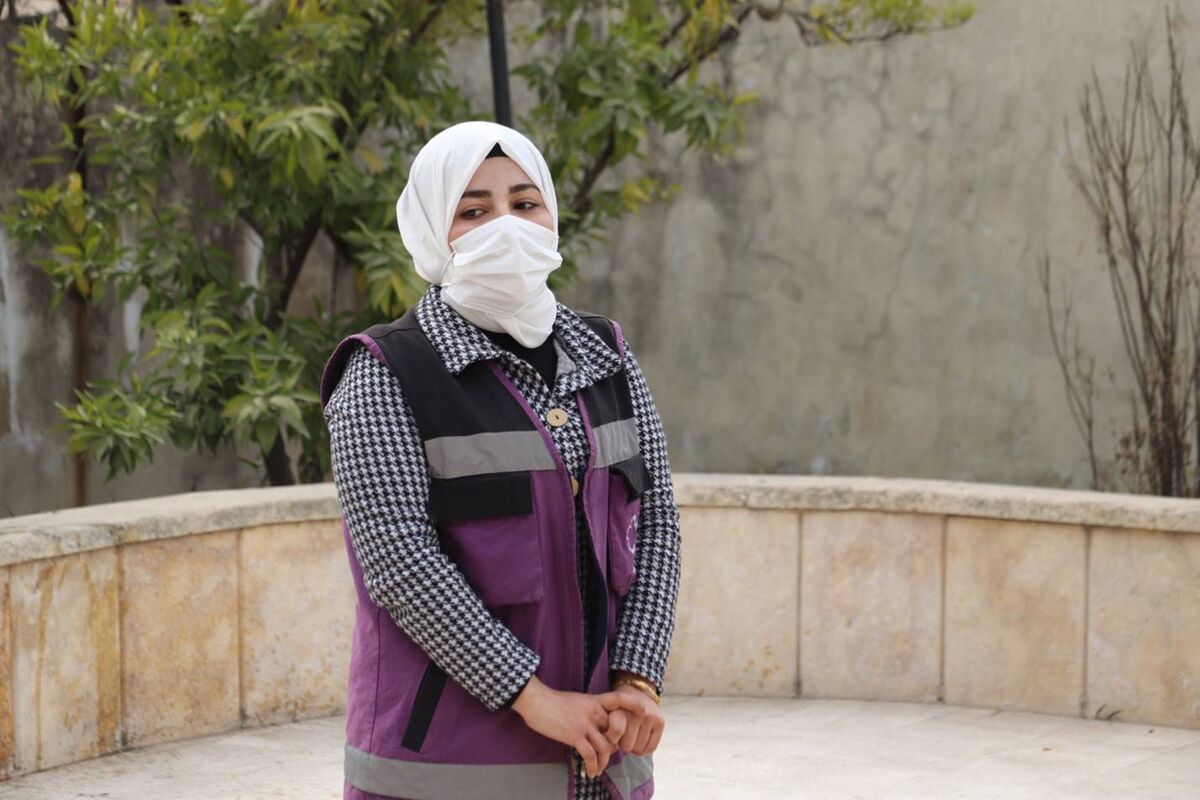
Law student Hala, 23, also works at the centre and said: “The war impacted all Syrians, but women were impacted more.”
She shares the worries about pregnant women's health.
“Violet has a hospital, and the biggest fear was the risk of pregnant women losing their unborn babies. There was an influx of pregnant women to the hospital who came to check on their unborn babies because the state of fear they were experiencing,” she said.
Some are then directed to the safe space, she added. "There are people who panic because of the fear they are facing,” she said. “So they can come to the safe space and talk about whatever they are feeling.”
This crisis is exacerbated by the political situation, according to Human Rights Watch.
Last month it said: “The slow humanitarian response to the earthquakes that severely affected opposition-held northwest Syria” reflects “inadequate” border-crossing arrangements with the Syrian government under President Bashar al-Assad.
The earthquake also did extensive damage in Turkey. The UN has estimated across the earthquake zone some 356,000 women are pregnant, with about 38,800 deliveries expected during a month.
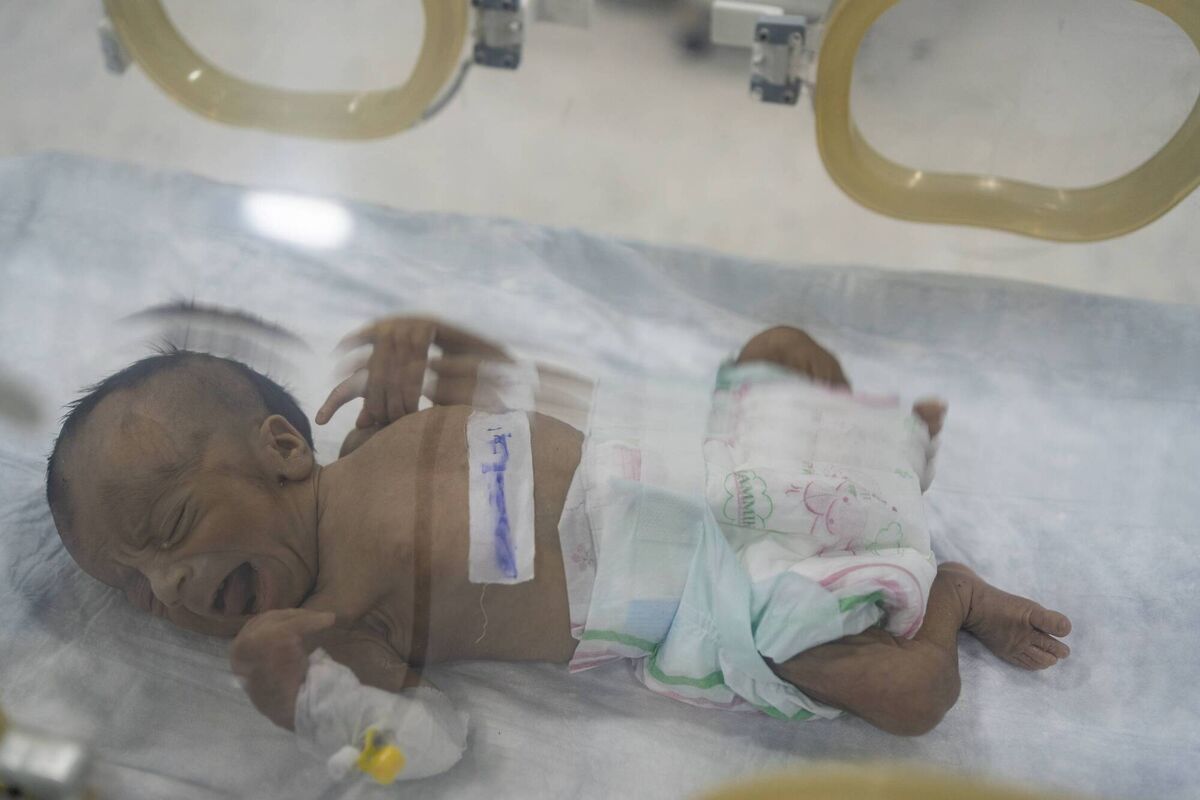
ActionAid Arab Region regional director Racha Nasreddine said: “There’s very limited access to services like hospitals and so pregnant women are at risk of complications if they can’t receive the medical care they need.”
Donations from Ireland helped Violet workers be first on the ground in some areas of north-west Syria, ActionAid Ireland chief executive Karol Balfe said.
“The situation remains grim. Thousands of children have been separated from or lost parents and carers and are particularly vulnerable at this time.”
“Violet is providing a safe and caring environment for women and children experiencing shock and trauma, as well as vital supplies including baby milk, food and water — all thanks to generous public donations.”
Donations to ActionAid for this region can be made online here
CONNECT WITH US TODAY



Be the first to know the latest news and updates