'They’ll never shoot me in my own county' — Famous quotes from Michael Collins 
As well as being a renowned leader, Michael Collins also had a great way with words. Here are some of the best quotes from the Big Fella 
'They’ll never shoot me in my own county' — Famous quotes from Michael Collins 

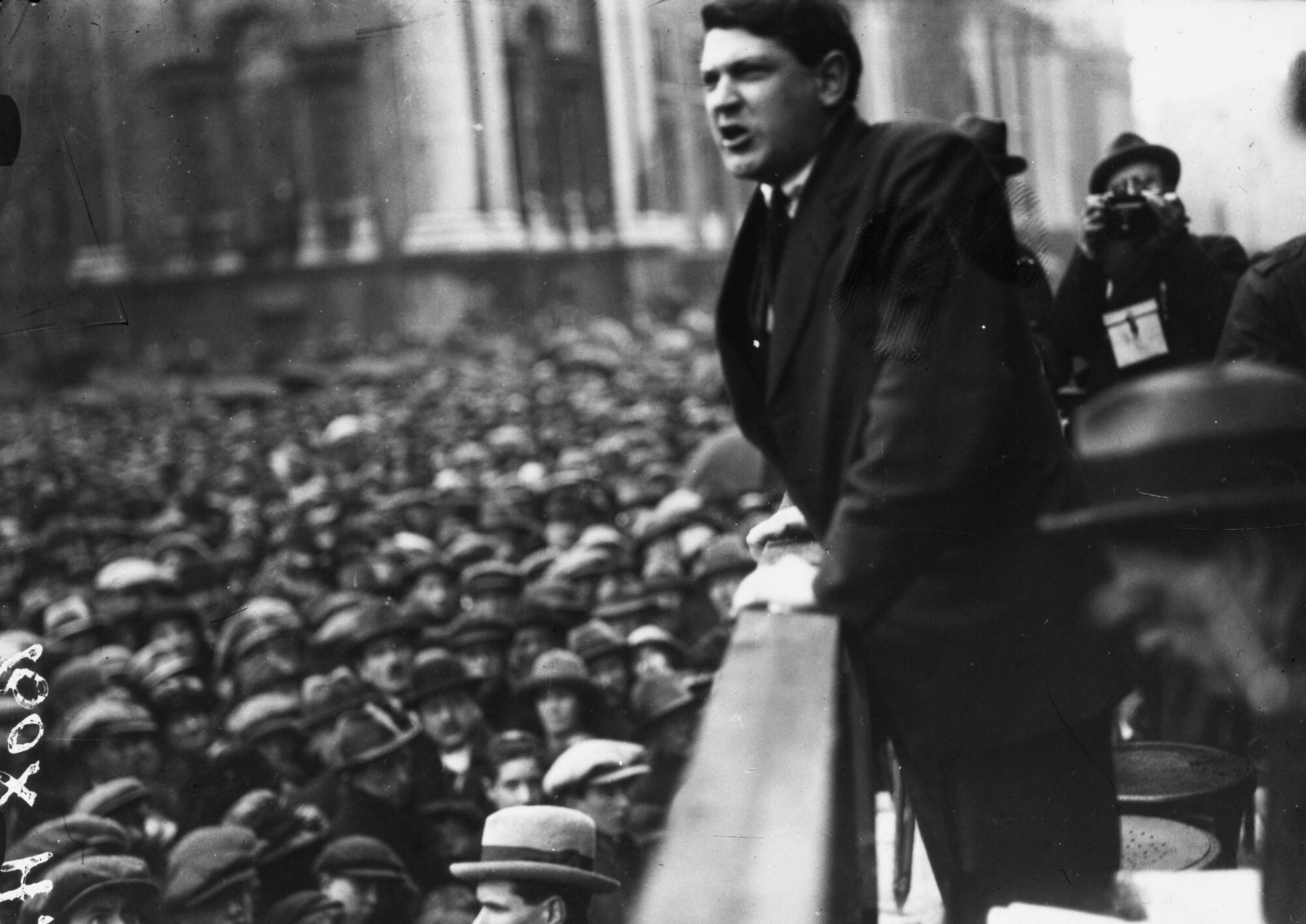
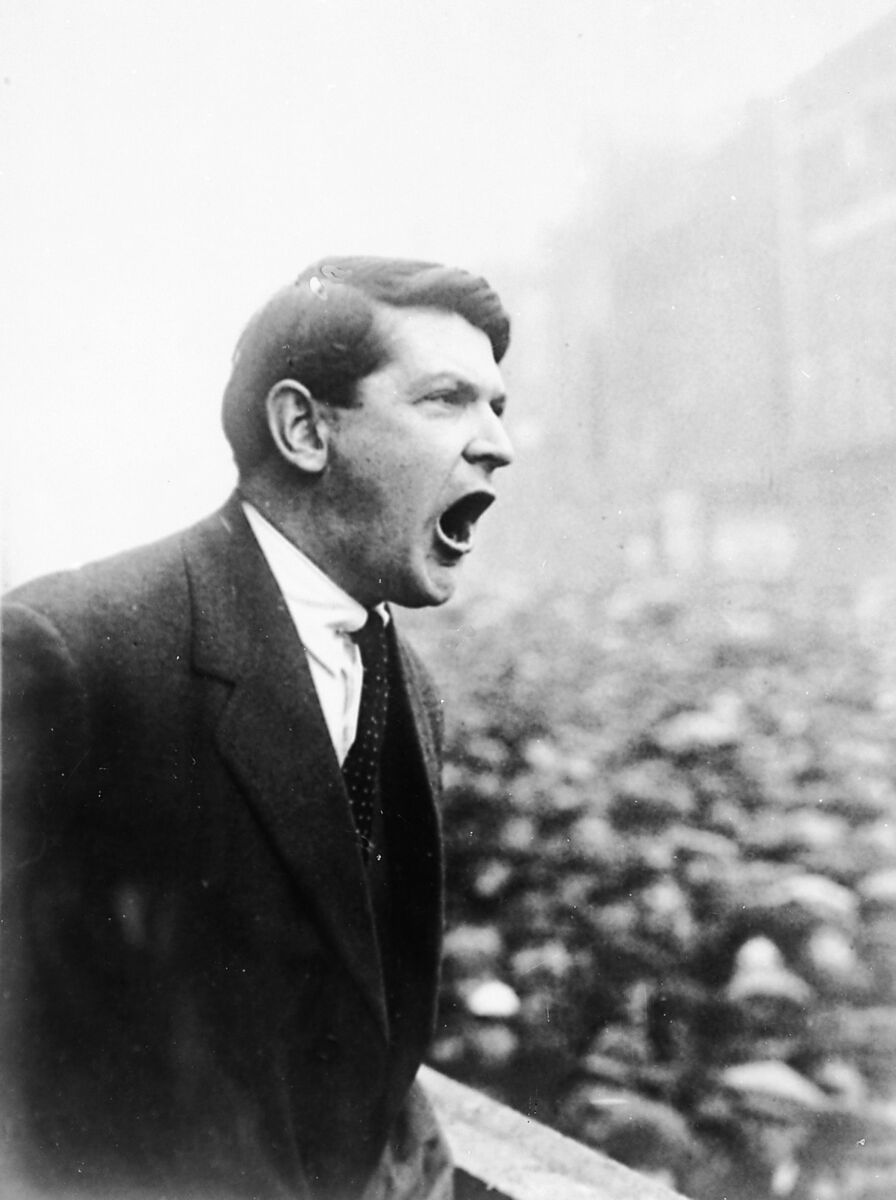
Michael Collins addresses an election meeting in 1921. Picture: Independent News And Media/Getty Images

“If I am a traitor, let the Irish people decide it or not, and if there are men who act towards me as a traitor, I am prepared to meet them anywhere, any time, now as in the past. For that reason, I do not want the issue prejudged. I am in favour of a public session here now. I understand that members of the Dáil may differ as to the advantage to be gained on one side or the other by a private session. If there is anything, any matter of detail, if, for instance, the differences between plenipotentiaries, and the differences as they arose from time to time, should be discussed first in private, I am of opinion that having discussed it in private, I think we ought then to be able to make it public.” 

“Yerra, they’ll never shoot me in my own county.” - The words spoken before he left Béal Na Bláth.

"Give us the future… We’ve had enough of your past… Give us back our country… to live in – to grow in – to love.” 

“When you have sweated, toiled, had mad dreams, hopeless nightmares, you find yourself in London’s streets, cold and dank in the night air. Think – what have I got for Ireland? Something which she has wanted these past 700 years. Will anyone be satisfied with the bargain? Will anyone? I tell you this - early this morning I signed my own death warrant. I thought at the time how odd, how ridiculous - a bullet might just as well have done the job five years ago.” 


“The history of this nation has not been, as is so often said, the history of a military struggle of 750 years; it has been much more a history of peaceful penetration of 750 years. It has not been a struggle for the ideal of freedom for 750 years symbolised in the name Republic. It has been a story of slow, steady, economic encroach by England.

“It has been a struggle on our part to prevent that, a struggle against exploitation, a struggle against the cancer that was eating up our lives, and it was only after discovering that, that it was economic penetration, that we discovered that political freedom was necessary in order that that should be stopped.” 
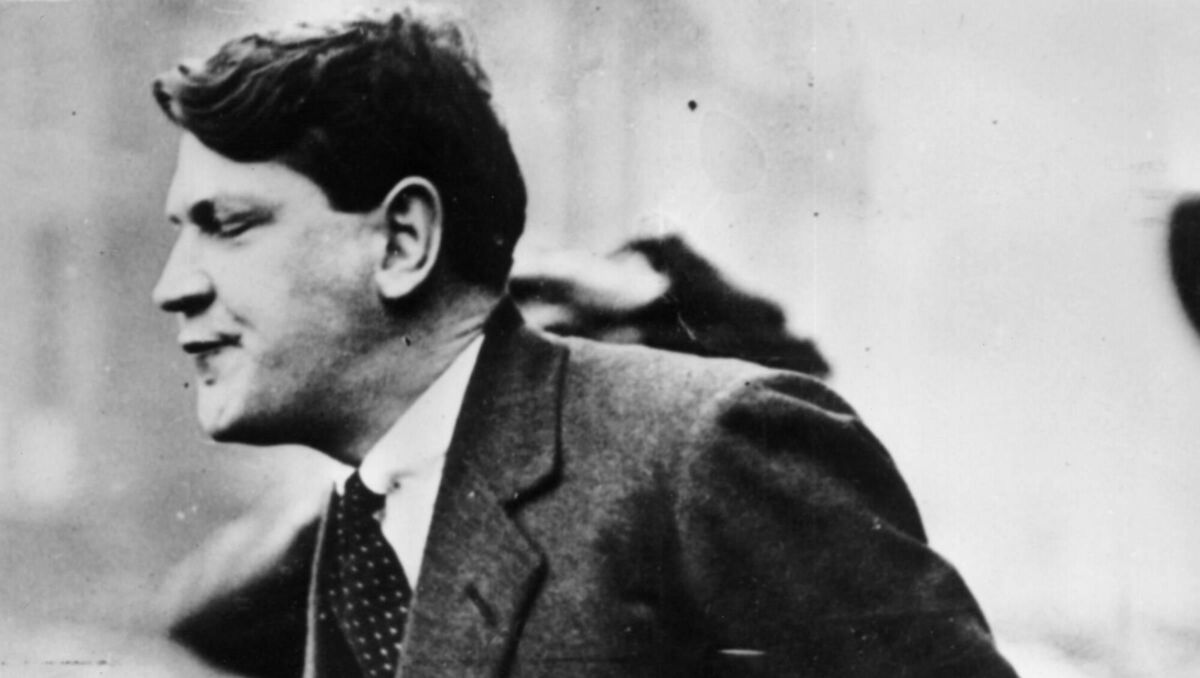
Michael Collins making a speech at a pro-Treaty meeting in 1922. Photo: Keystone/Getty Images

“To me the task is a loathsome one. I go, I go in the spirit of a soldier who acts against his best judgement at the orders of his superior.” 

“The course of life and labour reminds me of a long journey I once took on the railway. Suddenly, there was a breakdown ahead, and passengers took the event in various ways. Some of them sat still resignedly, and never said a word. Others again, went to sleep. But some of us leaped out of that train, and ran on ahead to clear the road of all obstructions.”

“To go for a drink is one thing. To be driven to it is another.” 

“In my opinion it gives us freedom, not the ultimate freedom that all nations desire … but the freedom to achieve it.” 

“That valiant effort and the martyrdoms that followed it finally awoke the sleeping spirit of Ireland.” – Michael Collins, regarding the Easter Rising of 1916 

“Deputies have spoken about whether dead men would approve of it, and they have spoken whether children yet unborn would approve it, but few have spoken of whether the living approve it.” – Michael Collins, Dáil debate, Christmas 1921.
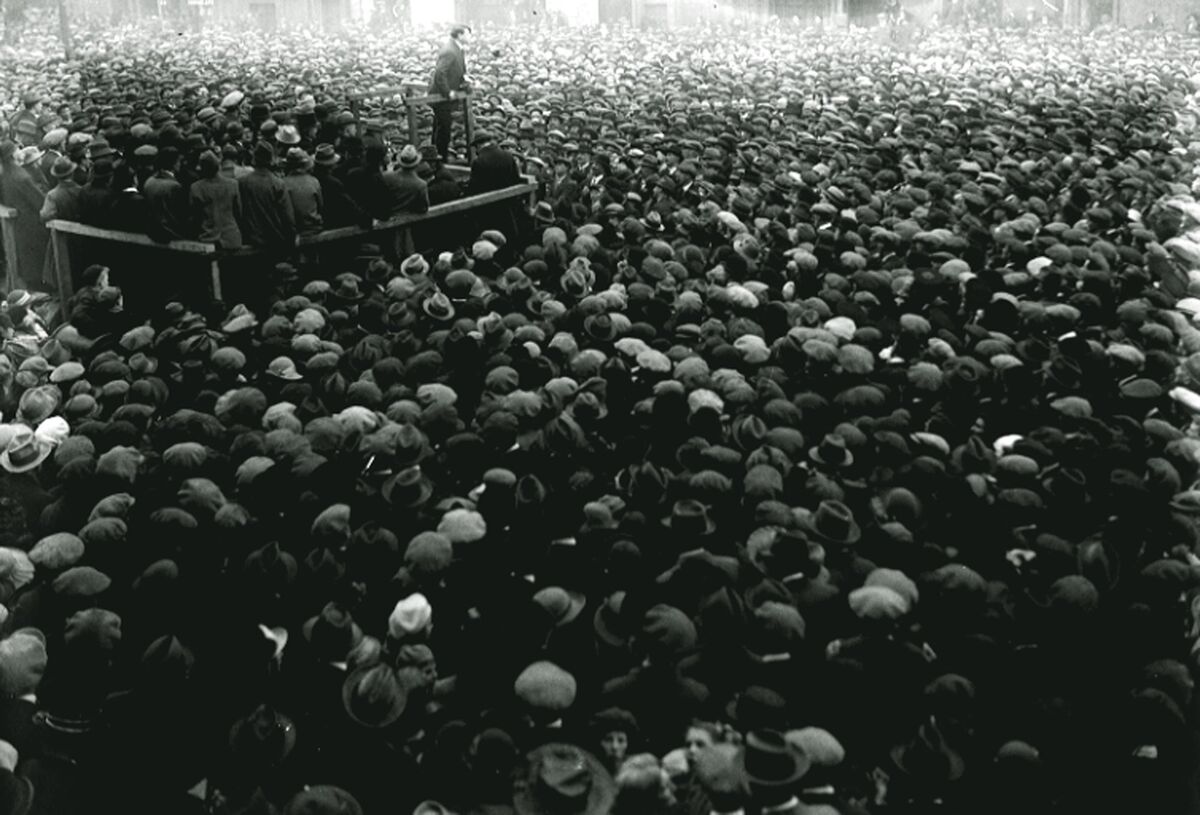
Michael Collins addressing a crowd in Cork.

“I also want to explain to you as one of the signatories what I consider rejection of it means. It has been said that the alternative document does not mean war. Perhaps it does, perhaps it does not. That is not the first part of the argument. I say that rejection of the Treaty is a declaration of war until you have beaten the British Empire, apart from any alternative document. 

"Rejection of the Treaty means your national policy is war. If you do this, if you go on that as a national policy, I for one am satisfied. But I want you to go on it as a national policy and understand what it means. I, as an individual, do not now, no more than ever, shirk war. The Treaty was signed by me, not because they held up the alternative of immediate war. I signed it because I would not be one of those to commit the Irish people to war without the Irish people committing themselves to war.” 

“There is no man here who has more regard for the dead men than I have. I don’t think it is fair to be quoting them against us. I think the decision ought to be a clear decision on the documents as they are before us – on the Treaty as it is before us. On that we shall be judged, as to whether we have done the right thing in our own conscience or not. Don’t let us put the responsibility, the individual responsibility, upon anybody else. Let us take that responsibility ourselves and let us in God’s name abide by the decision.” 
"Now, in all countries in times of change — when countries are passing from peace to war or war to peace — they have had their most trying times on an occasion like this. Whether we are right or whether we are wrong in the view of future generations there is this: that we now are entitled to a chance; all the responsibility will fall upon us of taking over the machinery of government from the enemy. In times of change like that, when countries change from peace to war or war to peace, there are always elements that make for disorder and that make for chaos. That is as true of Ireland as of any other country; for in that respect all countries are the same.

Michael Collins addressing a crowd gathered for the great Treaty meeting in College Green, Dublin, on March 18, 1922. File photo

"Now, what I suggest is that — I suppose we could regard it like this — that we are a kind of a majority party and that the others are a minority party; that is all I regard it as at present; and upon us, I suppose, will be the responsibility of proving our mark, to borrow a term from our President. Well, if we could form some kind of joint Committee to carry on — for carrying through the arrangements one way or another — I think that is what we ought to do.

“Now, I only want to say this to the people who are against us — and there are good people against us — so far as I am concerned this is not a question of politics, nor never has been. I make the promise publicly to the Irish nation that I will do my best, and though some people here have said hard things of me — I would not stand things like that said about the other side — I have just as high a regard for some of them, and am prepared to do as much for them, now as always.”

More in this section

Lunchtime News

Newsletter

Keep up with stories of the day with our lunchtime news wrap and important breaking news alerts.

Cookie Policy Privacy Policy Brand Safety FAQ Help Contact Us Terms and Conditions

© Examiner Echo Group Limited