Sex education: Knowledge is power for keeping kids safe
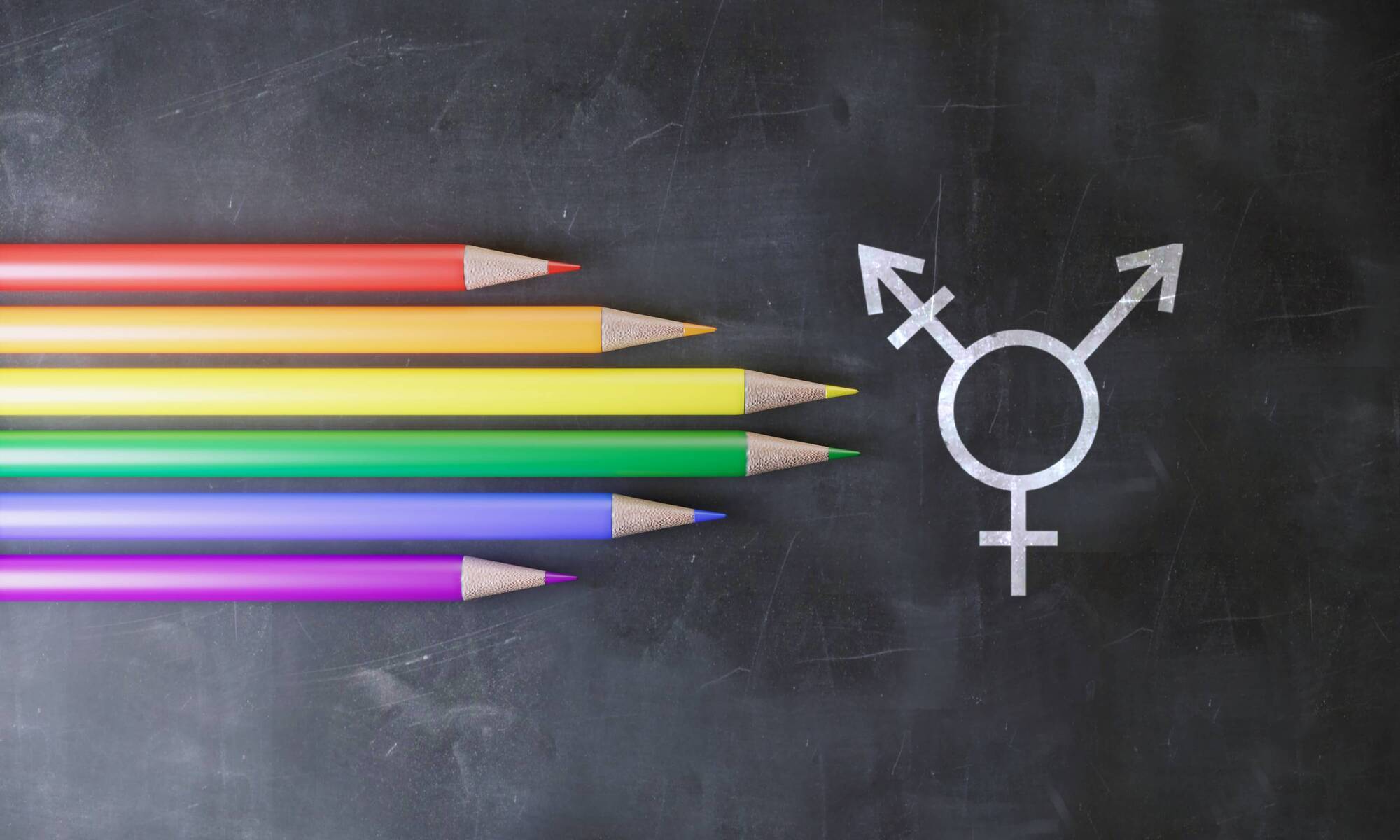
A new sex education course is in its consultation phase and now available online so parents can contribute to how it is framed
Sex education: Knowledge is power for keeping kids safe

In 2009, in an all-boys community school in Cork City, I found myself assigned to teach sex education to a group of transition year boys.

I was advised by the principal that I was the only one available to teach the subject, as I was newly appointed, and he wished me the “best of luck” as he opened the door on a very loud and lively classroom. It was the last and toughest class of the day.

As a new teacher assigned a random subject — par for the course in secondary — I employed the well-used ‘jigsaw’ teaching technique by getting the students to come up with some of their own ideas and questions in groups.

I had never seen the relationships and sexuality education (RSE) curriculum, or any of the topics involved, so I did what any new teacher would do when leading a group blindfolded and just asked them what they knew already. I asked them to write what they knew on the board. This is what they came up with:

  • You don’t have to wear a condom if she is your girlfriend;
  • If you don’t have sex by 15, you are ‘fridget’(sic);
  • You can’t get someone pregnant if they have their ‘things’ (period);
  • If you wee after sex you can't get the clap (STI).

After I picked my jaw up from the floor, I knew that I had an awful lot of work to do. I borrowed the junior cycle and senior cycle RSE books from the staff library and, with the vigour only a box-fresh teacher can bring, I spent the weekend revising all the topics and making notes.

I knew back then, and even more so now, that this curriculum would not meet the needs of the students sitting in front of me. For one, it was apparent that most of them were already sexually active by age 14 or 15.

One of the transition year students was already a father at the tender age of 16; another suspected that his girlfriend might be pregnant, but he wasn’t sure.

The existing, and current, RSE programme was first written in 1998.

It was a heavily abstinence-oriented programme advocating saving yourself for marriage, traditional gender and family roles, having sex to have babies, and having only one lifelong monogamous sexual relationship.

It was also clearly a heteronormative programme with no mention of other types of relationships.

It wasn’t relevant or accessible to many of my students, who were so far removed from this morality-based programme that they mocked and jeered topics which included religious prayers, shame-based role plays, and true/false exercises about gay people.

I knew I could not use these books with my students as they weren’t written for them. I also knew that lack of proper RSE would lead to sexual exploration by trial and error.

These errors were already visible in the school community: Unwanted pregnancy, exposure to disease, vulnerability to exploitation, sexual violence, and abuse. It was urgent that I found a harm-prevention, safety-focused programme with clear guidelines about consent, contraception, disease prevention, and taking care of your body.

In a panic, I consulted with the school completion programme co-ordinator, and with his help I sourced Foróige’s Real U programme, which was developed as way of exploring topics including boundaries, puberty, body image, reproduction, sexuality, gender, consent, contraception, sexually transmitted infections, and mental health.

Children have increased access to pornographic images. 

This was a much more appropriate tool, and the training was comprehensive and provided excellent resources.
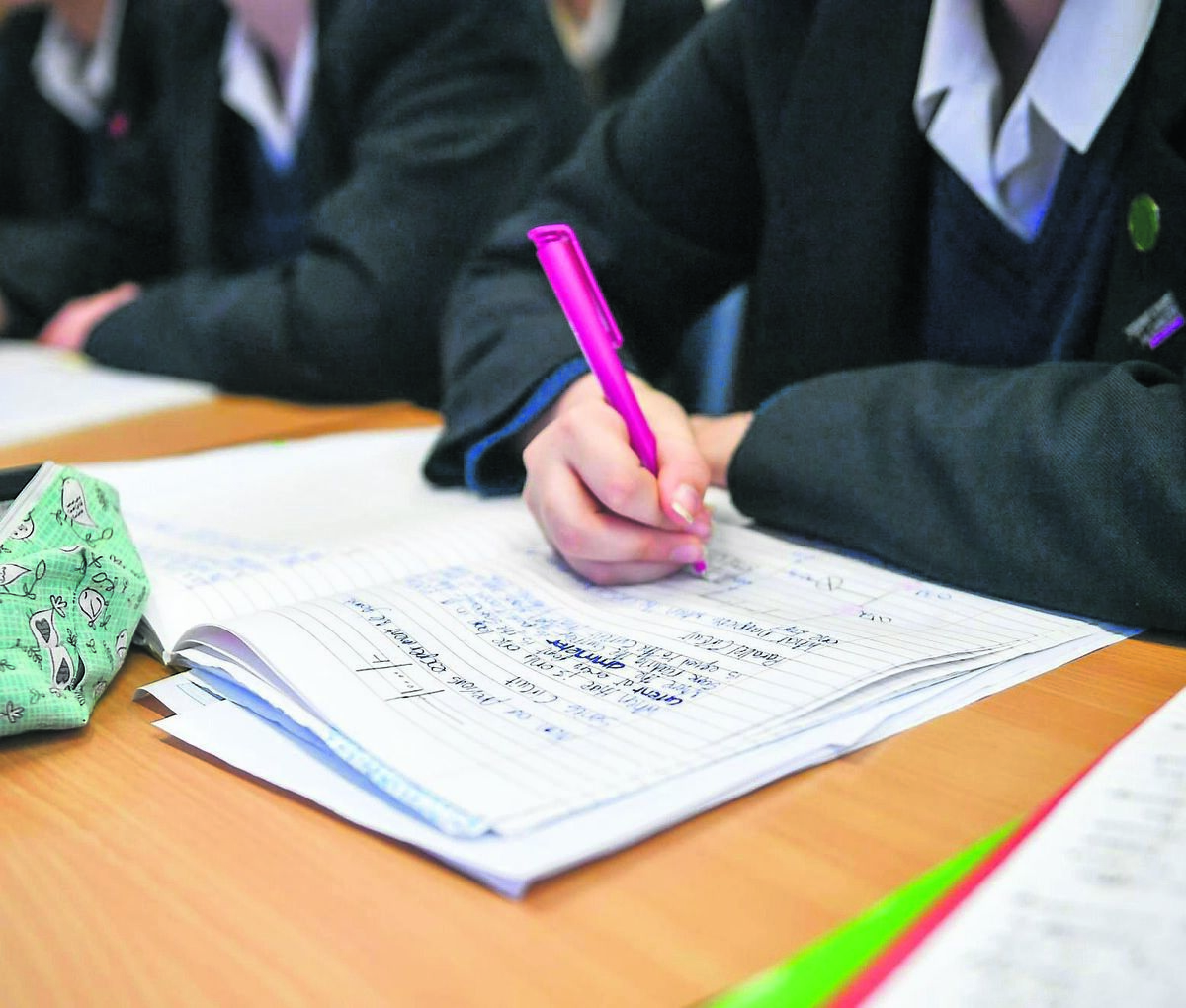
Over the years, I have also used excellent resources from Australia, Britain, and the US and continued to advocate for better resources and more inclusion for LGBTQ+ students in the RSE curriculum.

Recent studies in Ireland (NUI Galway) have shown that children with smartphones will have seen pornographic imagery either purposefully, out of curiosity, or unsolicited via social media by the age of 12.

As a counsellor as well as an RSE teacher, I have witnessed the fallout from exposure to sexual and violent imagery at a young age.

Trauma, body image issues, social anxiety, digital sexual exploitation, and hyper-sexualisation are — to name but a few — very real issues for young people who are exposed to sexual content before they are ready.

My own advocacy for the provision of quality RSE resources has always been focused on safety, empowerment, inclusion, and harm prevention.

Last Monday, the National Council for Curriculum and Assessment (NCCA) published the draft social, personal and health education (SPHE) curriculum for junior cycle, which includes RSE; that is 13 years since I first taught RSE and 24 years since the current curriculum was published.

Media headlines about the new curriculum have recently conflated the word ‘pornography’ with the concept of ‘awareness of pornography’.

You do not have to watch or access pornography in the classroom to identify what it is and why it can be harmful, in the same way you do not have to hand students cigarettes in the classroom to teach them that smoking is harmful.

What is more harmful is the idea that being aware of something is somehow a corrupting force. Being aware of the existence of pornography, internet safety, the law, and consent allows young people to make better choices about their own life and their own bodies.

Parents are best placed to teach their children about sex and relationships; ideally, this should be the case and the foundations for safe, healthy, and loving relationships should come from honest conversations about sex at home.

I would argue that these conversations should occur in partnership with, and not contra to, a quality school-based sex education programme.

However, research from the Economic and Social Research Institute shows that 40% of 17-year-olds have never spoken to their parents about sex.

Whether it’s due to embarrassment, apathy, or lack of confidence in discussing such sensitive topics, from my own experience of teaching RSE in the last decade, these conversations are just not happening.

I would suggest that the best chance of having these conversations is when they arise at home as a result of topics being covered at school during the designated RSE classes.

Collaboration between parents and schools will most certainly lead to more positive and healthier outcomes for our young people.

If parents have concerns or questions about RSE, they should read the draft curriculum and, if they still feel concerned, they should contact their own school.

Quality RSE is delivered where parents and students are included and informed about what is being taught and have the option to ask questions, provide viewpoints, and offer suggestions to frame whole-school policy.

The new junior cycle SPHE and RSE courses are available to read online and to freely contribute to, as it is still in its consultation phase.

I am hopeful that once this consultation is complete, I can finally use resources and deliver classes that are meeting the needs of a much more evolved student cohort than my first ever transition year class.

Pam O’Leary is a guidance counsellor and RSE teacher in Cork

Training is key to improving RSE course

The amount of hours dedicated to sex education may increase, but there may not be enough staff who are qualified to teach it, says
Education Correspondent Jess Casey

Relationships and sexuality education (RSE) comes under the remit of social, personal, and health education (SPHE), a non-exam subject at second level.

The proposed curriculum published this week by the National Council for Curriculum and Assessment (NCCA) relates to Junior Cycle students.

An updated curriculum for Senior Cycle is expected by 2024, and by 2025 for primary schools.

Nevertheless, this is the first step toward updating the sex education syllabus here following a major review of the subject, first initiated in 2018.

During this process, students told the NCCA that their RSE education tended to be too little, too late, and too biological.

Previously, the SPHE course was designed for 70 hours to be taught over the course of first to third year. The proposed changes see this increase to 100 hours, which roughly works out at approximately an hour per week.

Research published by TU Dublin last year found that as many as one third of post-primary teachers delivering SPHE had received no training in this curriculum.

Often, the subject may be assigned based on a teacher’s available hours, as opposed to their expertise in the subject, the study also found.

High-quality and readily available courses for teachers will be vital, according to David Duffy, education and research officer with the Teachers’ Union of Ireland.

“SPHE may not be a subject that every teacher wants to teach, but we need to make sure as many teachers as possible are qualified to teach it and feel comfortable teaching it,” he said. 

The first point in making sure someone is comfortable, to make sure they are properly trained in it.

“The level of CPD [continuous personal development] provided for SPHE over the last 20 years is disappointing, to say the least.”

The TUI has identified four key aspects to help support the new curriculum, he added. “The parent body in the school needs to buy into the programme, and they need to support the school by also doing what they can at home to support it.”

Small class sizes are also important. “We need small class sizes to make sure students feel comfortable talking during these discussions. It’s a system largely based on to-and-frow discussions. If students don’t feel comfortable in contributing to that, then immediately we have a difficulty.” Pastoral support as well as the resourcing of relevant agencies is also important, he added.

“If a school becomes aware of a particular difficulty arising, then the school need to be able to refer on to the relevant agencies. This is no criticism of the agencies concerned; Many of them are swamped with a caseload that could be described as utterly unmanageable. They simply do not have the staff.”

All proposed documents are available to read on the NCCA website.

The public consultation, which runs until October 18, is open for anyone to make a submission.

More in this section

Lunchtime News

Newsletter

Get a lunch briefing straight to your inbox at noon daily. Also be the first to know with our occasional Breaking News emails.

Cookie Policy Privacy Policy Brand Safety FAQ Help Contact Us Terms and Conditions

© Examiner Echo Group Limited