Cold case reviews apply modern techniques to answer decades-old questions
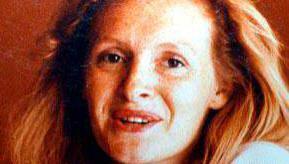
Sophie Toscan du Plantier was found battered to death outside her isolated holiday home in Toormore, near Schull, on December 23, 1996.
Garda cold case reviews thrust two violent murders of women in West Cork decades ago into the media spotlight this week.
On Tuesday, a detailed garda cold case review of the murder of a woman whose body was found in a remote wooded area near Innishannon more than 41 years ago led to the arrest of a 73-year-old man who was charged hours later with the murder.
Less than 24 hours later came the sudden, but not unexpected, announcement from gardaí that the same cold case unit of An Garda Siochána is now turning its attention to a full review of the murder of French film producer, Sophie Toscan du Plantier, 39, who was found battered to death outside her isolated holiday home in Toormore, near Schull, on December 23, 1996.
It will be the fourth review of a case that has had more twists and turns than the remote country lanes on the rugged Atlantic-swept Mizen peninsula where the tragic mother-of-one sought peace and refuge, but ultimately met her brutal and violent death more than a quarter of a century ago.
No one has ever been charged here with her murder.
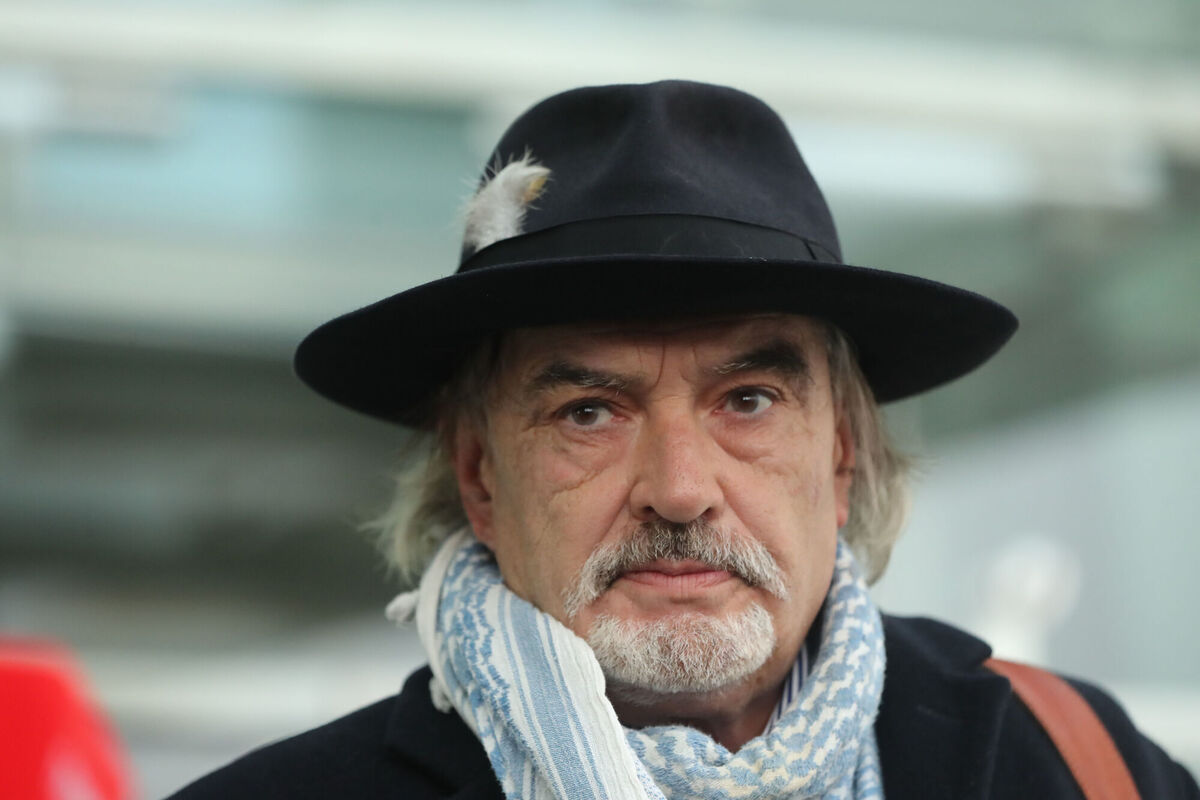
Ian Bailey, who has repeatedly denied any involvement in her death, was convicted, in his absence and without legal representation, of her murder by a French court in 2019, and was sentenced to 25 years in prison. In 2020, the High Court here refused a French request to extradite him to France to serve that sentence.
The unsolved murder has never been far from public debate but there was new international interest in the case following the broadcast in 2018 of the Sam Bungey and Jennifer Forde podcast, West Cork.
Public interest in the case intensified during lockdown in 2021, on the back of two TV documentaries that came in quick succession - Jim Sheridan’s Murder at the Cottage which was screened on Sky Crime, and John Dower’s Sophie: A Murder in West Cork, which was screened on Netflix.
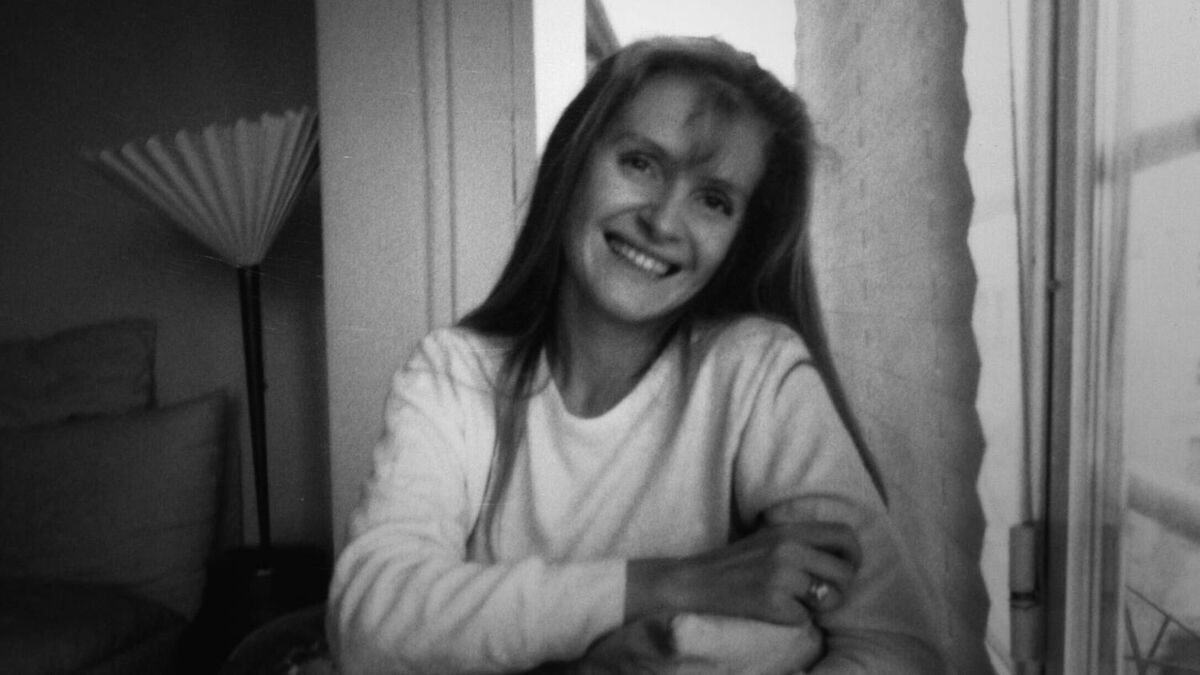
Around that time, Mr Bailey wrote to the Taoiseach, the Justice Minister, and the Garda Commissioner calling for a review of the case, and this week, he welcomed confirmation that it will happen, pledging to cooperate with any meaningful and objective review.
“My prayer has always been for the truth to come out and I hope this review will be part of answering that prayer,” he said.
In France, Sophie’s son, Pierre Louis Baudey-Vignaud, who was just 15 when his mother was killed and who has helped spearhead a relentless campaign for justice for his mother, told the Irish Examiner that he hopes the review will finally bring his mother’s killer to justice.
“It is a good day for my mother, and for people living in West Cork, in Ireland, to maybe bring this story to an end. Ireland must end this story," he said.
The case file is vast, running to at least 5,000 pages. The material occupies an entire room in a West Cork garda station.
A small team of West Cork-based gardaí will be assigned to provide support to the cold case review team, in the hope that the review could start within weeks.
The documents, statements, and reports have been digitised, which should make the work somewhat easier but experienced officers say the team faces a mammoth task.
What will be crucial though is the fresh examination of the material by fresh eyes, which may lead to a recommendation to local officers to pursue a particular avenue.
It will be a slow, thorough and painstaking process that could take well into next year to complete but new investigative techniques will be deployed in a bid to identify potential new lines of inquiry.
Their work will be complicated by the fact that some gardaí who were involved in the original investigation, and several witnesses who gave statements to the original investigation team, have since passed away.
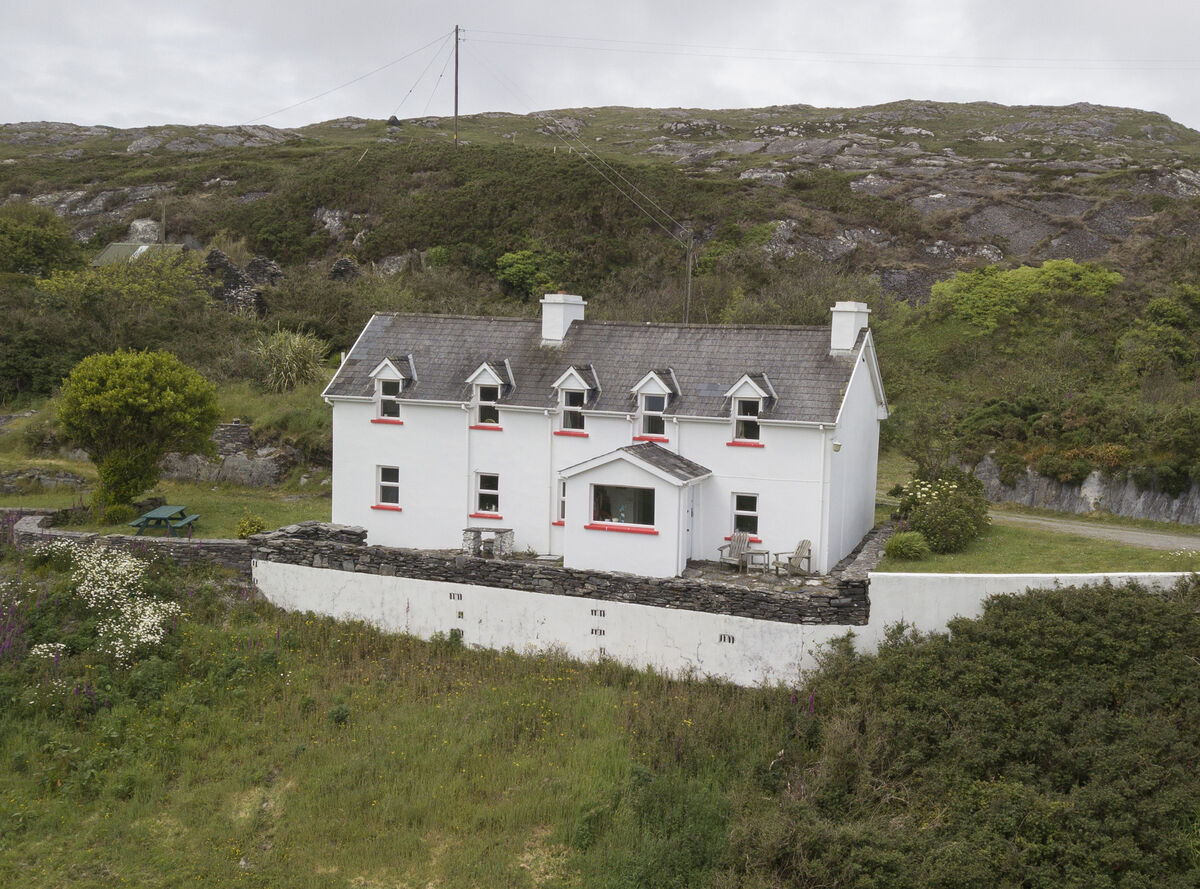
But crucially, it is hoped that advances in forensic technology, and in particular, in the extraction and analysis of DNA samples, may allow for greater examination of exhibits that were gathered from the crime scene almost 26 years ago, and on forensic evidence gathered at the postmortem on Ms Toscan du Plantier’s body.
Garda Commissioner Drew Harris said given the scale and complexity of the case, it was felt that gardaí should apply the most up-to-date, modern investigative techniques and forensic reviews to the file in the hope of identifying the perpetrator of this "awful crime". He rejected a suggestion that it could be “a futile exercise”, given the passage of time.
“If we felt there was to be no hope in this we wouldn't undertake it. We've already been through a process to say that this is work worth doing," he said.
"This is an investigation and we approach it in that way, we approach it with an open and investigative and inquiring mind."
He said some of the recent documentaries might have prompted someone to remember a crucial detail while other sources stressed that allegiances and relationships may have changed over the years and that some people may feel more comfortable coming forward with information now.
Mr Harris was also asked about mistakes or shortcomings in the original investigation but said the cold case team will work with the information at their disposal now.
“The review starts from day one. We work our way forward. If evidence has been lost, or was irretrievable, then we have to just work our way with that. This is also the object of finding new evidence, finding new leads and working our way through those as well,” he said.
The cold case review team has had success in the past.
Two men are now serving life sentences in relation to the murder in April 2005 of Irene White, 37, in her home in Louth in April 2005. She had been stabbed more than 30 times.
A review of the case led to new information coming forward which ultimately led to the jailing of Anthony Lambe from Castleblayney, Co. Monaghan, and Niall Power of Riverstown, Dundalk, Co. Louth.
Junior Justice Minister James Lawless told the Dáil earlier this year that the killing over five decades ago of 19-year-old Una Lynskey from Ratoath, Co. Meath, will be the subject of a review by the cold case unit later this year.
After her body was found in the Dublin Mountains two months after she was last seen in October 1971, three men were implicated in the killing. They all denied involvement.
One of them, Martin Comney, received a State apology in 2016. He served three years in prison following his conviction for manslaughter but the Court of Appeal ruled in 2014 that his conviction was a miscarriage of justice. Another of the accused, Martin Kerrigan, was abducted and killed in retribution for Ms Lynskey’s death, while Dick Donnelly, the third implicated man, successfully appealed his conviction in 1973.
A review is also being undertaken into the death of the baby found on a beach in Kerry in 1984, known as Baby John. Abbeydorney woman Joanne Hayes was wrongly accused of the baby's murder. She had recently given birth to a baby who subsequently died.
She and four members of her family signed statements which they later said were false, in which they confessed to killing Baby John. A State apology and compensation were given to the Hayes family two years ago.
Previously, the team carried out a review of the 1985 murder of Fr Niall Molloy in Clara, Co. Offaly, and submitted a file to the DPP who, in 2013, directed that there should be no prosecution.
The cold case review of the Sophie Toscan du Plantier murder follows the original garda investigation, and two internal garda reviews, the McNally Review in 2002 and the McAndrew Review in 2005.
GSOC spent seven years investigating a complaint from Mr Bailey alleging garda corruption, and found no evidence to back up his claims. Information emerged during the course of Mr Bailey's libel action against various newspapers in 2003, and during his marathon High Court action against the State in 2014.

CONNECT WITH US TODAY



Be the first to know the latest news and updates