Drinking and the pandemic
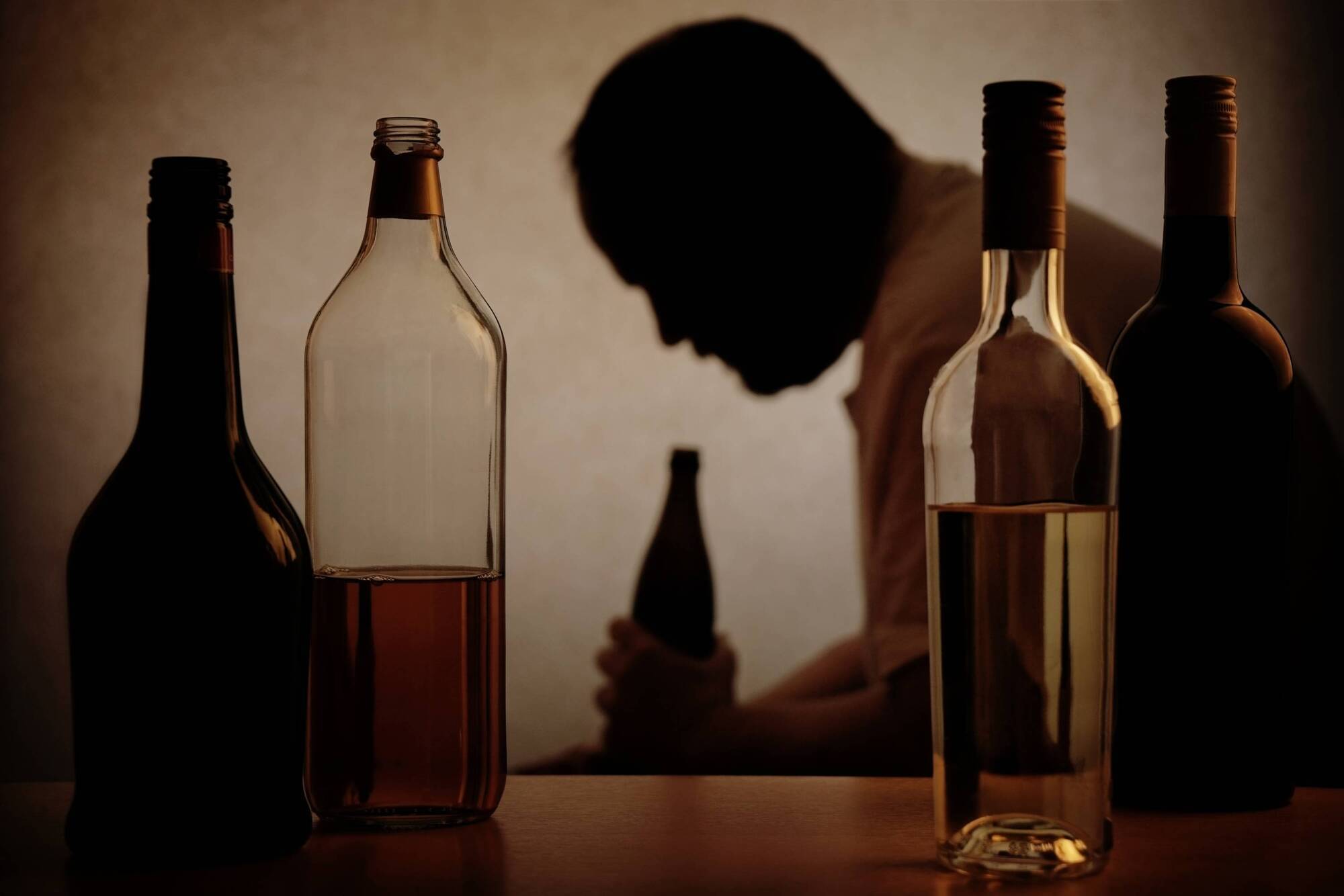
silhouette of a person drinking behind bottles of alcohol with added filter
Long before the pandemic started or there were such things as restrictions, Ireland had an intense relationship with alcohol, and never more so than in the Christmas period. Study after study is showing that Irish people’s drinking has increased in the last 20 months.
- - 25 years after quitting drink, TV personality, hotelier and author Noel Cunningham reveals how he is getting through the pandemic without falling off the wagon.
- - The daughter of beloved late comedian Brendan Grace recounts how she nearly relapsed after a breakdown.
- - Learn about the "three Cs" for family members of those in alcohol addiction
On the serious end of the scale, Beaumont Hospital has seen a 30% increase for admissions of liver disease over the course of the pandemic. Professor John Ryan, a consultant at the hepatology unit said the same figures were also coming through at other Irish hospitals and internationally as people were drinking more at home.
Studies from Drinkaware found that 25% of Irish adults are drinking more than they did before the pandemic, while more than 50% of Irish people who took part in the Global Drugs Survey said their drinking had increased since the introduction of restrictions.
The increase in drinking has hit our pockets, too. In 2019, we spent €2.2bn on alcohol that we consumed at home, and in 2020, that increased by €500m to €2.7bn.
On a personal level, public figures like Irish architect Hugh Wallace spoke out about his own relapse in the first lockdown after eight years of sobriety and former pop star Michelle Heaton also spoke out about her dependency on alcohol and her recovery efforts during the pandemic.
In the US, there has also been a rise in alcohol consumption with the focus turning to "grey area" drinking, where the amount consumed is increasing but there is not a total dependency on drink.
As many people see their drinking increase around Christmas, or dread the impact of family members’ drinking on the festive season, the has spoken to people in recovery about their experiences during the pandemic, as well as addiction workers who have seen an increase in demands for their services over the last 20 months.
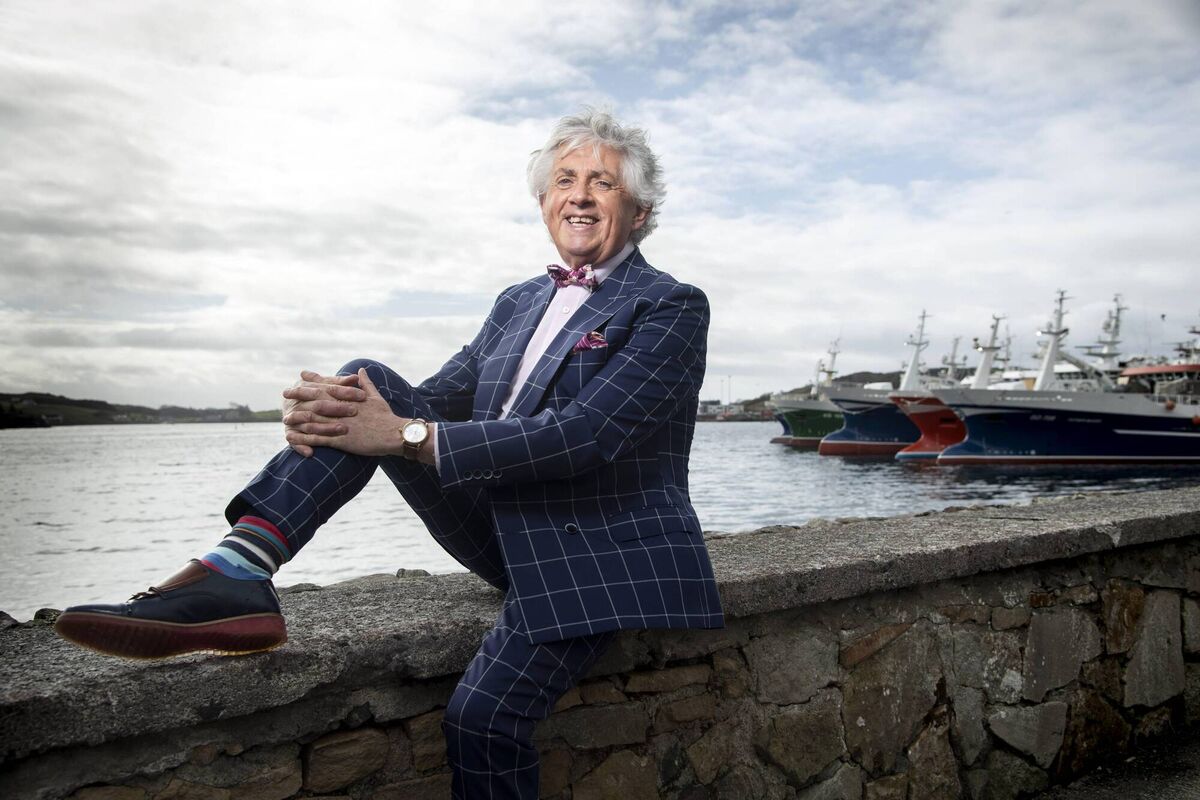
TV personality, hotelier and author Noel Cunningham did not want the pandemic to challenge his 25 years of sobriety, so he started sea swimming.
"During lockdown I didn't want to challenge my sobriety. I'm always busy with the hotel, or I'm busy with TV work or charity work and that was all pulled from under me. All of a sudden all I could do was a 2k radius of my home? That for a recovering alcoholic is like a prison sentence," says Noel.
"So I had to ask myself: 'What reserves do I have to draw on?' I had my faith, my friends, but I knew I also had to do things so I didn't overthink things, and didn't go back drinking.
"I started sea swimming," he says.
The irony of this Donegal man only getting into the sea in 2020, was not lost on him. "I have been to the four corners of the world and I am from a coastal town, my home is by the sea and I live in the house I grew up in, but I was warned to fear the sea," says Noel.
After a chance encounter and a chance conversation with an old friend during the first lockdown, Noel now tries to swim everyday.
"I believe so strongly that sometimes something happens to make you stop in your tracks. One day, out of the blue, a friend of mine saw me heading towards my car after a walk on the beach.
"She called me and asked: 'Why do you never go in the sea? Have you swimming trunks? Meet me here tomorrow'. And I did, and I have not stopped since because for that period you're in the sea on the Wild Atlantic Way you're never thinking too much," explains Noel.
And it's the thinking, or overthinking, that can be problematic when it comes to alcohol, especially at Christmas, says the hotelier.
"If I start thinking about Christmas, or a big wedding or my big birthday coming up, it can be daunting, so I just live in the day and I say: 'Today I didn't drink'," says Noel.
This thinking, and approach to living, is in a stark contrast to his life before sobriety.
"I got up in the morning to drink two or three bottles of wine and I thought if I brushed my teeth people wouldn't notice. I always had mints in my pocket. Gradually you lose everything," says Noel.
The turning point came in a pub, at his sister's funeral, via a frank confrontation with one of his many beloved nieces.
"I thank God every day for my beautiful young niece who had just lost her parents in a terrible car accident. We were having food at the funeral, it was a pub setting, and she just turned to me and said: 'Noel, you have a major problem with alcohol, sort yourself out'," he remembers.
That was 25 years ago.
"Right now I'm looking over the bay from my house, the wind is blowing, the rain is coming down, and if it weren't for my niece all those years ago, I would not be here. I would most likely be dead or I would be living on the streets - that is fact," says Noel.
"Did I plan to be in the gutter? No, no one does. It is a disease," he adds.
The Donegal man is able, however, to firmly trace the origins of his alcoholism back to his youth, where he endured torturous homophobic bullying.
"I can clearly place my relationship with alcohol with my growing up. I grew up in beautiful Donegal, and the biggest challenge was being gay in rural Ireland, in the 70s and 80s, and even now. Being gay was excruciatingly hard. I was physically and mentally tortured," says Noel.
"Like many people who start a relationship with alcohol you think: 'This is going to help', and at the start it does because what you're looking for is to have confidence, and a belief that some of the pain will go away. But the problem is that the cure becomes the major problem," he adds.
And in his own recovery, Noel also had to walk the path of forgiving his tormentors. However, in doing so, he has helped young men coming up behind him.
"I have met lads who were on school bus with me who caused me anxiety to the point where I felt sick before I got on the bus, and sometimes now I bump into them and one of the lad's son is gay.
"So I said to him: 'Imagine someone did to your son what you did to me. When he comes home from secondary school give him the biggest hug ever'. There was accountability and forgiveness in that," says Noel.
Another moment of confrontation occurred when Noel returned home to Donegal to work. He was physically assaulted when a rock was thrown at his face. A local fisherman pulled up outside the restaurant he was working in at the time and got out of his car to speak to him.
"My face had been swollen, and this lovely gentleman, a fisherman, came up to me and said: 'I heard what happened in the town. I want you to know that what happened is not what it's like here'. And then he left," remembers Noel.
Forgiveness, Noel says, is part of his sobriety, as are other things, that he still works on to this day.
"Twenty-five years later, I still have my challenges. There are mornings when I need to face this day in a more positive frame of mind. The key is to take those few minutes to get there and if you need to reach out to someone do that.
"Whoever you have in your camp, who is a focus of support, it might be spiritual or it might be to have gratitude, or a higher power, a friend, or family member, reach out to them," says Noel.
He believes that Christmas is an especially testing time for recovery, with social invites and late nights, other people's drinking and financial stress and otherwise. And in speaking publicly he doesn't do it for himself, but for others who might be where he was two decades ago.
"My primary focus in any talking about me is if I can give others a little hope and that's sometimes all people want.
"If you're sitting at home pulling cushions off the sofa to look for coins down the side of the settee to buy a bottle of wine, you might read this and think: 'Well Noel managed to get back on track, maybe I can too'," says the hotelier.
"But it's one day at a time, and never is one day at a time more important than at Christmas."
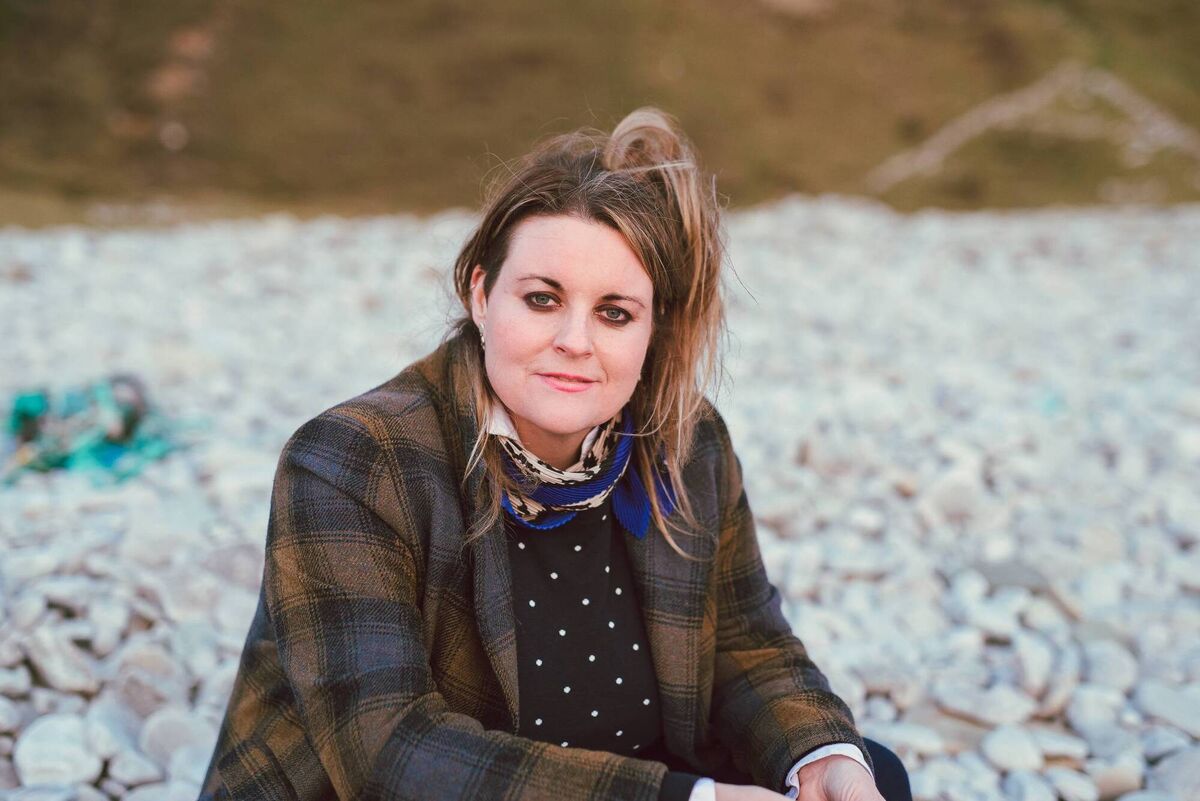
In March 2021, after four years of sobriety, Amanda Grace said she came close to relapse.
Her beloved father and national treasure, the comedian Brendan Grace had died in 2019, and she had also been living with an undiagnosed mood disorder without treatment.
Then the pandemic hit, and the trained psychotherapist, who runs therapeutic workshops and retreats using art and journaling, found her livelihood up-ended.
"In March, I just had a total breakdown, that was the closest I came to a relapse, and that was what encouraged me to go to the doctor," says Amanda, "because if this (monthly mood fluctuations) is not addressed I'm afraid I'll be found slugging a bottle of vodka".
When she went to the doctor she eventually received a diagnosis for premenstrual dysphoric disorder (PMDD) - a very severe form of premenstrual syndrome (PMS). It causes a range of emotional and physical symptoms during the week or two before your menstrual bleed.
"PMDD is a rollercoaster with no baseline. It's bang and 'my life is over'.
"When you're good you're good, but then I was a complete right-off for two weeks before my period and then my period would start and I'd think: 'Oh thank god I'm out of it'," explains Amanda.
Again, like many people in Ireland during the pandemic, Amanda turned to cold water swimming. She thought the cold water might "shock" her into existence when she was feeling low every month. She also tried supplements. There wasn't a tool in her sobriety toolbox that she didn't employ.
However, it was receiving a diagnosis and getting the right medication to treat the underlying mood disorder that helped in the end.
She shares this specific experience to show that when it comes to alcohol use, there can be a host of "co-morbidities" in the background that drive the drinking.
But March 2021, was not just about the underlying and untreated mood disorder, but also the culmination of a year of work stress.
"I stopped drinking because I was afraid of what I would do to myself and it was the same in March. I'm self-employed and I lost the entire real-life end of my work. I also lost a year's worth of work that I had to cancel and refund.
"Then there was a lot of pivoting and creating new courses - I now had to engage my students in a different way, and there was an online scramble, they were stressors. I felt I couldn't take my foot off the gas for a second, I had to replace that income but there was a cost of that on my nervous system," explains Amanda.
Even though she did not relapse, she points out that alcoholism is never about the "one thing".
"Also my dad died so there was grief in there, there was a pandemic, self-employment, online technology, a lack of offline reality, mental health stress and an untreated mood disorder. It's never about one thing, it's a constellation of things and then alcohol is the fuel on the fire when the bonfire is already raging. Taking alcohol out of the equation is like putting up barricades," says Amanda.
Her own drinking began when she was 14 years of age. She says alcohol gave her a "cool badge" at a time when she felt "uncool, fat and awkward". It masked the insecurity that was "very, very deep" within her.
Amanda describes herself as a "heavy drinker" in that she was "able to drink a lot" and "drank to get drunk." But as that kind of drinking was so normalised it didn't appear problematic and just masked her low self-esteem and insecurity.
"Low self-esteem would have been an improvement on where I was at and my therapist helped me understand it was actually a lost sense of self," explains Amanda. Amanda's drinking never had her waking up and reaching for a bottle but it "propped" her up socially.
"I don't identify as an alcoholic. There is a great body of literature out there about the grey area drinker," says Amanda.
But in 2017, things came to a head personally and her journey to sobriety was triggered.
"I had two pregnancy losses and I wasn't coping well, the first one knocked the stuffing out of me, the confusion and disappointment and the loss I felt was life-changing. I was also embarrassed, I was sickened, just the disappointment - I couldn't cope with it and that triggered something I had been suppressing.
"I started to eat my way through that period and I started to gain weight and fell into a pit of self-loathing and every time I drank the dial went up on it," says Amanda.
"In the space between the two losses I was introduced to a sober community," she adds.
This was the turning point that would lead her not only to sobriety but also towards a new career, using journaling, creativity and her own psychotherapy training to lead therapeutic workshops.
"I got a sense of purpose out of no longer pursuing motherhood, I did a big journaling on it asking: 'What in me was wanting expression in having motherhood?' I was looking for teaching, growing, witnessing the growth of another human being, and now I get that through work, and I get real meaning from my work," says Amanda.
Today her own tools to support her sobriety include everything from therapy to journaling and from podcasts to an online sobriety community.
"There are lots of sober podcasts out there and they have a community, and have Facebook groups, they're non-dogmatic. That's one of my tools. Another massive tool is journaling, it's literally my number one tool, I journal several times a day.
"Other tools are: I sleep - I never get below eight hours of sleep, sleep is a big one; self care is a huge one; therapy is huge; coaching is huge, medication to treat the underlying mood disorder and my husband - he is hugely supportive and non-judgemental. He didn't take any of it personally, he just loved me all the way through," says Amanda.
For anyone who might be where she was, she encourages them to look at two things: stress and "grey area drinking" especially when they feel they "don't resemble the alcoholic".
"Stress is the killer. Alcohol is what happens at the end of the line.
"Sobriety is hands down the best gift I have ever given myself. I am proud of myself every day. I do not miss my drinking life. And that feeling never gets old," she says.
From January 12, 2022, Amanda will be running a five-day online "creative freedom bootcamp".
"It's to start off the New Year with intention. What recovery is about is imagining your life differently," she says.
You can follow Amanda Grace on Instagram @pilgrimsoul.ie
When it comes to alcoholism, families and friends often feel the effects too. In an attempt to help their loved one who is drinking, they can become heavily focused on the other person's behaviour, and lose focus on their own wellbeing.
The Rise Foundation, founded by singer and senator Frances Black in 2009, specifically supports families impacted by a loved one's addictive behaviour through education and therapy. Sibyl Kehoe, a counsellor at Rise, told the that family members get "drawn into" the addiction.
"What happens for family members is that they are getting drawn into the toxicity of addiction, the family member is in so much fear and on constant high alert. They're dreading the phone call of being told something major has happened.
"And what has happened is by focusing on the person in addiction they are losing themselves in it," says Sibyl.
"When family members start to lose themselves, they become addicted to the person in addiction, their thoughts and feelings can't detach because they worry and care so much," she adds.
Rise offers one-to-one therapy as well as programmes for family members of those in alcohol addiction. If you were to enrol on one of their courses or access the counselling, the first thing you go over are the "three Cs", explains Sibyl.
The first C is that you "didn't cause it". Be that an adult child who grew up in a home where there was alcohol addiction, or a child that goes into alcohol addiction, Sibyl says that no one is ever the cause of someone else's drinking.
The second C is that you "can't control it". Family members are "totally powerless" over their loved one's addiction.
And the last C is you "can't cure it".
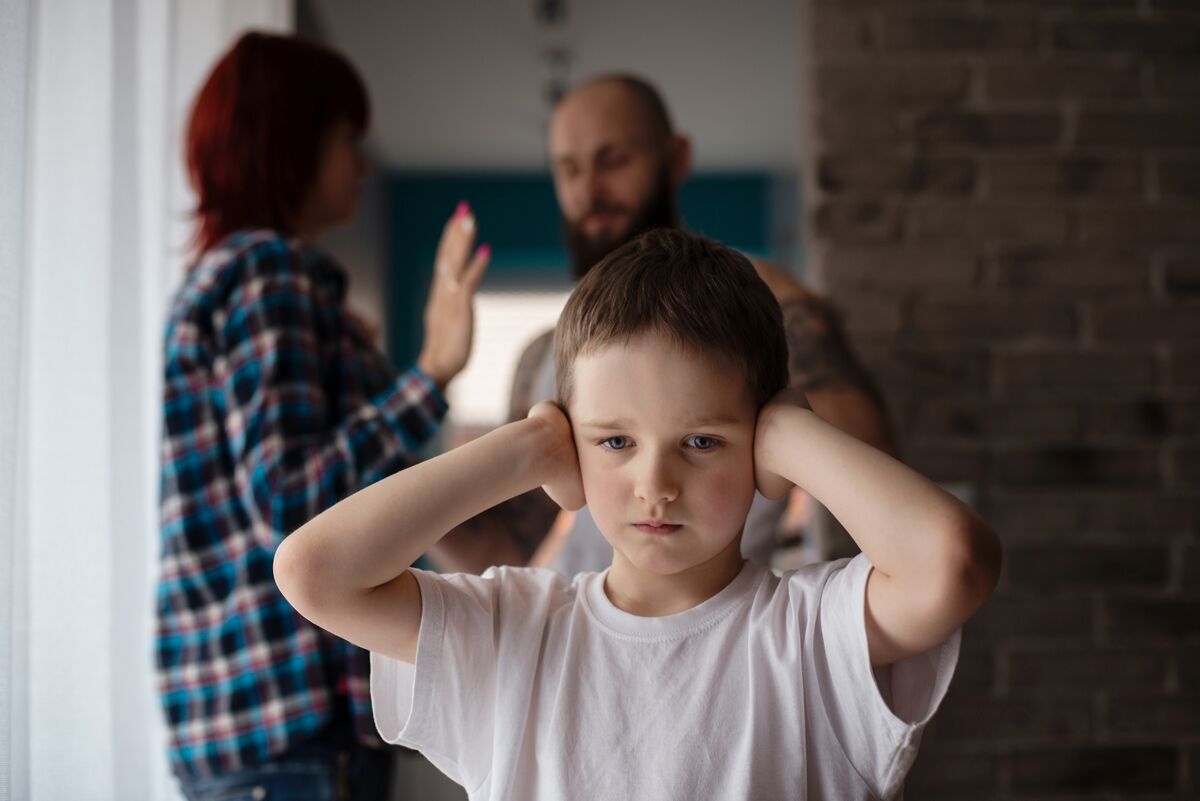
"For a family member trying to fix their loved one in addiction, they can find themselves walking on eggshells or trying to be a peacekeeper.
"It's important to work with those three Cs," says Sibyl.
Pre-Covid the charity worked with people mainly in Dublin and the surrounding areas, but with Zoom, they're able to reach people nationwide.
While much focus is on the recovery of someone in alcoholism, the counsellor says there is also a recovery process for the family member or loved one, regardless of whether the drinking has even stopped.
"Recovery is possible for family members whether their loved one is in treatment or even aware of the problem, that's so important.
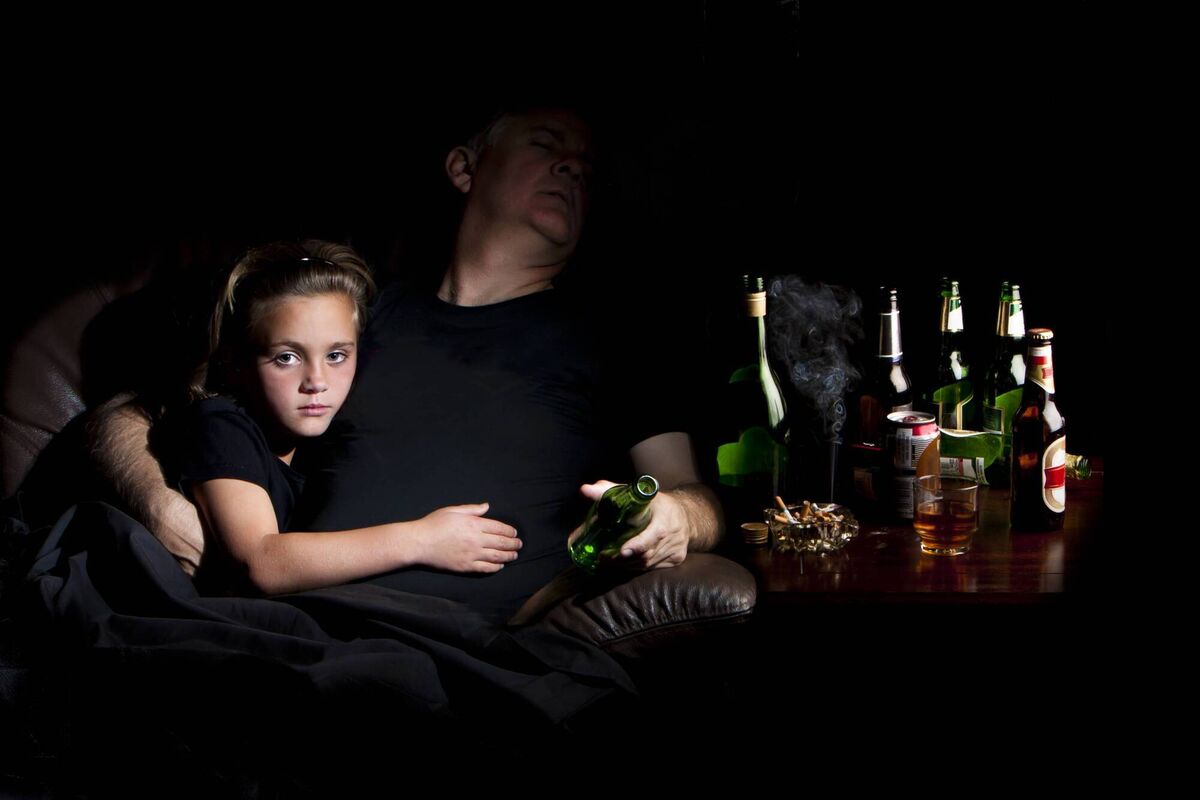
"So often they feel they can only get better when their loved one gets better. Or another issue is that a loved one could be in recovery for a long time, and now they're finding it hard and they've to recover from the impact and trauma of it," says Sibyl.
In order to access one-to-one counselling support from Rise, people can fill in the enquiry form on their website and they will then receive a phone call within a week. The cost of therapy runs on a sliding scale, based on what the person can afford.
The second service is their 10-week family programme, which covers the nature of addiction, how to detach with love and how to cultivate boundaries. There is also group therapy involved.
Other supports nationwide include the services from the Family Support Network and al-anon 12-step meetings.

CONNECT WITH US TODAY



Be the first to know the latest news and updates