Amy Barrett: ‘Sex offenders have psychological support — but we get nothing’
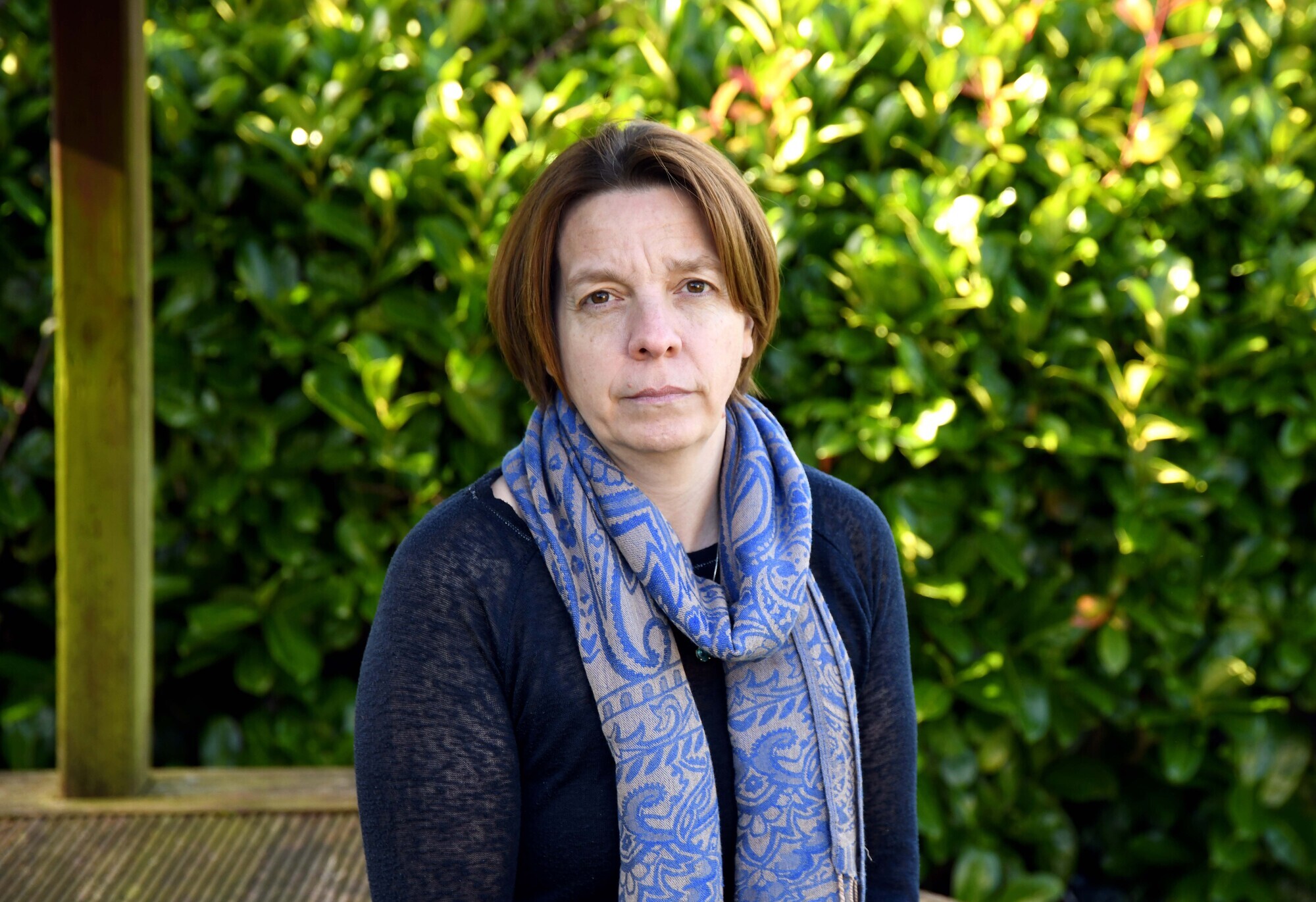
Amy Barrett: 'If victims don’t get help, they’ll bottle things up and the problems will get worse.' Picture: Denis Minihane
Amy Barrett removed the tablets from their plastic shells and left the front door unlocked so her body could be easily found.
She had slipped so deeply into that black hole of despair that she saw no way out other than to end her own life after her father was convicted of raping her and sexually abusing her younger sister.
The trial brought the horrors of the sexual abuse rushing back to her and no professional services were there to help her deal with the aftershocks.
During the court case, the gardaí, her lawyers and the court service supported her and guided her through until her father, Jerry O’Keefe, was sentenced to 10 years in prison in 2017.
But once the trial ended, all State support vanished.
Luckily, she pulled herself back from the edge and did not go through with her suicide plan. She is now calling on Government to fund better supports for victims of crime, so they too can receive care plans and psychological support post-trial – just like their attackers can in prison.
“I hit rock bottom and became suicidal again after the trial,” Ms Barrett said.
“I was so low I had convinced myself that my family would be better off without me, that I’d always have this struggle.
“I had it all planned out but luckily I didn’t do it.
"The prisoners have care plans and psychological support but we get nothing. I don’t begrudge these prisoners – sex offenders – getting treatment, we all deserve it. But where’s the support for victims? "
This newspaper revealed on Thursday that rape and murder cases are being delayed by as much as two years due to Covid-19.
Ms Barrett said these delays could be devastating to victims and may convince many to withdraw their statements.
“I would be very concerned that victims will withdraw their cases if they have to wait that long,” she said.
“And if perpetrators are out in the community all that time, what effect will that have on victims?
“Will people withdraw their statements? I think people could get very nervous waiting around and decide not to proceed any further.
“Waiting can be devastating.
“It already took three years from the time I reported it to gardaí to get to court.
“I wasn’t getting pressure from dad but some victims do. If they’re waiting that long, with the offender free in the community, they might back down.
"It is a worry that these guys are out for two years while they wait for the case. I do believe that these people [sex offenders] cannot help themselves. And two years is a long time.”
Ms Barrett is now adamant that more victims should not have to suffer the way she has.
She is campaigning for free psychological support to be made available to victims after their court case ends.
Last year, a study from Trinity College Dublin and Maynooth University found that one in three people in Ireland experiences sexual violence, with 15% of adults being raped.
But waiting lists for post-trauma psychological support are up to 18 months in some services, a wait which Ms Barrett said was "unacceptable".
Funding to sexual violence support services increased by about 25% from just under €4m in 2016 to €5m in 2019 and 2020 in recognition of "the significant increase in demand" the Department for Children said in a reply to a parliamentary question from Fine Gael TD David Stanton, who has been working with Ms Barrett on her campaign.
A 10% funding increase was also granted in 2019 to Rape Crisis Centres and sexual violence services to help tackle their long waiting lists, the department said.
But Ms Barrett said this funding is "not enough' and victims of sexual violence deserve better care from the State.
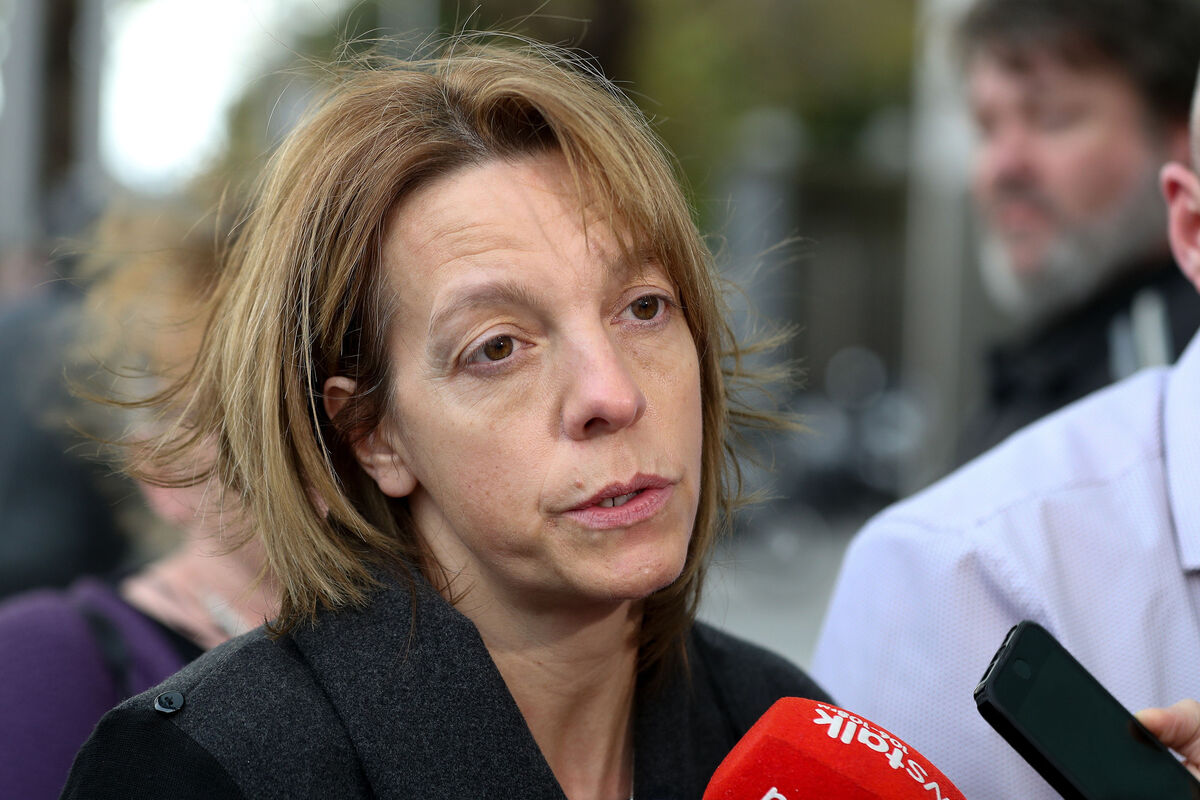
Without Mary Crilly of Cork Rape Crisis Centre who went “above and beyond” to help her, Ms Barrett said she doesn’t know where she’d be. But Rape Crisis Centres countrywide are buckling under the pressure of increasing demand for their services, she said.
“There is such high demand for these services," Ms Barrett said.
“If you have money to pay for counselling privately it’s not an issue, you can pay for it. But if you don’t, it’s a problem. Waiting lists are long and services are limited."
Ms Barrett said she has remained on a low dose of prescription medication three years after the court case because she cannot afford to return to counselling.
She is taking a civil case against her father in an attempt to find the money to pay for it.
“I want nothing else from him, just to be able to pay for counselling. But he’s fighting me tooth and nail.
Despite everything she's endured, Ms Barrett says she loves her father and is now ready to forgive him.
"I still wait and hope that dad will see the error of his ways but that doesn’t look likely. He’s still my dad, I still love him.
“I know that I’m ready to forgive, all I need is for him to ask. But I need genuine repentance.
“For years he said ‘I’m sorry.’ When I asked for what, he could never say it. He can’t face what he’s done to us.
"When he was abusing me he was in his own world, completely detached. I remember him telling me to tell him when it hurts. But when I said ‘it hurts’ he didn’t stop. He was completely detached from what he was doing to his little daughter.
“While I have all these horrible memories, I also have good ones. He taught me to cook, he was a great singer and used to enter the Voice of Youghal competition, we’d tape songs from the radio for him and help him get all dressed up for the show. It was a laugh. And I know he loves me.
“I have nothing to gain from speaking out about this but I’m doing it to help others.
“We need a free service to support victims after the trial.
“If victims don’t get help, they’ll bottle things up and the problems will get worse. I’m lucky, I have great support at home, a wonderful husband, but some people are completely alone.
“And the impact of abuse is lifelong. You can’t change the past, you can only deal with it.
“But I’m not going to let him win. I’m not going to let it swallow me up."

CONNECT WITH US TODAY



Be the first to know the latest news and updates