Taoiseach questions whether Iran wants peace as Trump prepares for Ireland visit
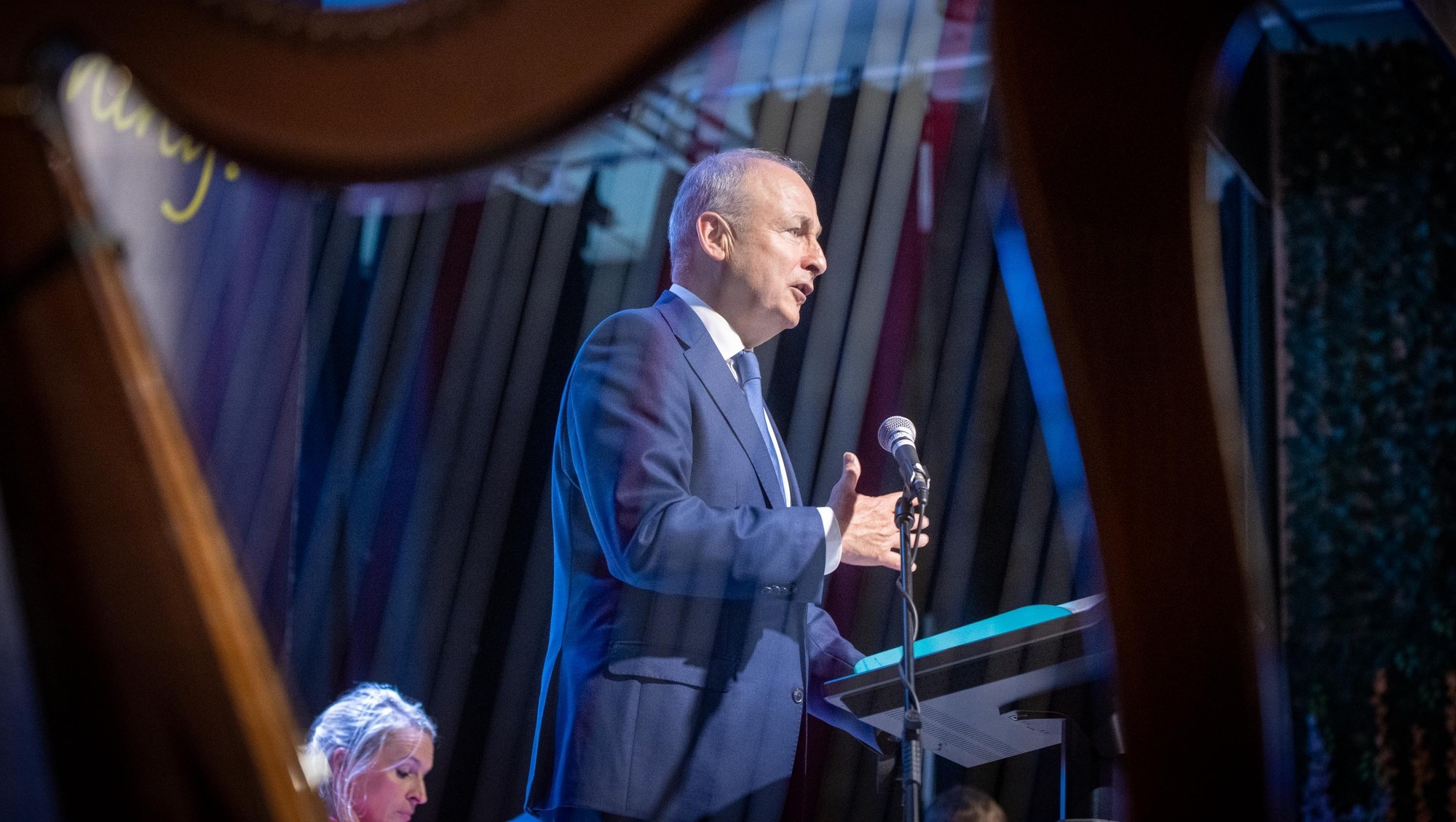
Taoiseach Micheál Martin speaking during a visit to Kinsale Community School to turn the sod on a new €22 Million extension. Picture. John Allen
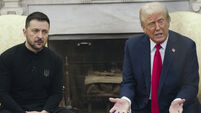
Taoiseach Micheál Martin has questioned whether the Iranian government wants a cessation of hostilities with the United States as US president Donald Trump prepares to visit Ireland next weekend.
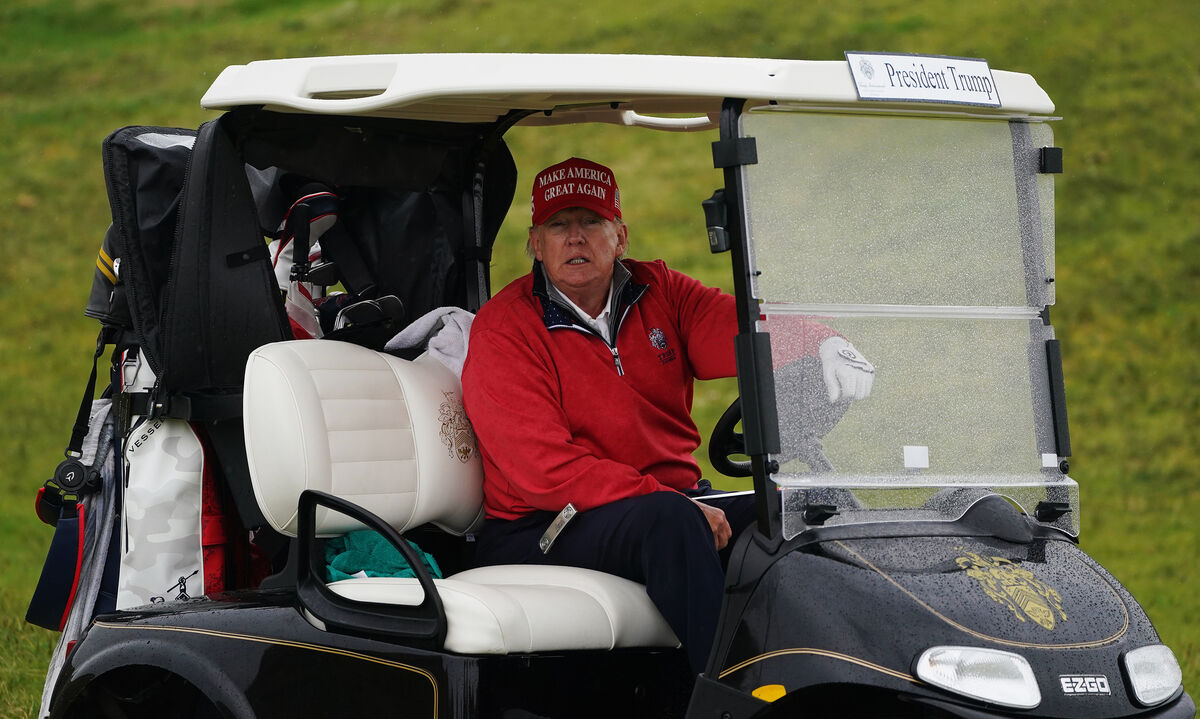
Mr Trump is due to arrive in Ireland for a two-day visit on Saturday, September 12.
Although it will not be a formal state visit, Mr Trump is expected to meet both the Taoiseach and President Catherine Connolly in the Phoenix Park.
It had been thought that Mr Trump might travel to Ballsbridge to perform the sod-turning at the new US embassy complex there, but there is currently some doubt over whether this will happen.
After his meetings with the President and the Taoiseach, the US president is expected to head to his golf club in Doonbeg, Co Clare, where the Irish Open tournament will finish on Sunday, September 13.
Speaking to reporters in Kinsale on Friday, Mr Martin was asked by the Irish Examiner whether he intends to raise with Mr Trump the negative impacts on Ireland’s economy of the US and Israel’s war against Iran.
“We will obviously talk on a number of issues and our consistent view and the one we have articulated is the need for peace and a cessation of hostilities,” Mr Martin said.
“I believe the US wants a cessation of hostilities. It is not clear whether the Iranian regime wants that. It is just not clear.
“But it is extremely important that we do bring an end to that war and that stability and certainty can be again brought back to global energy markets, because that’s affecting everybody.”
Read More
Asked whether Mr Trump would be shielded from protesters at Doonbeg, Mr Martin said normal security protocols would apply to the visit.
“The Irish Open is an important event, and it will have a degree of attention and profile this year that it perhaps has never had,” he said.
“Doonbeg and the people of Doonbeg are particularly welcoming of the fact that the Irish Open is there, because it has been important to the local economy and so on.
“But people have the right to protest in any democracy. And as I say once it is within the norms of legitimate action and protest that is the essence of a democratic world.”
The war in Iran, which has been described by Mr Trump’s critics as a war of choice, was launched on February 28, when US and Israeli airstrikes killed dozens of high-ranking Iranian officials, including supreme leader Ali Khamenei and several members of his family.
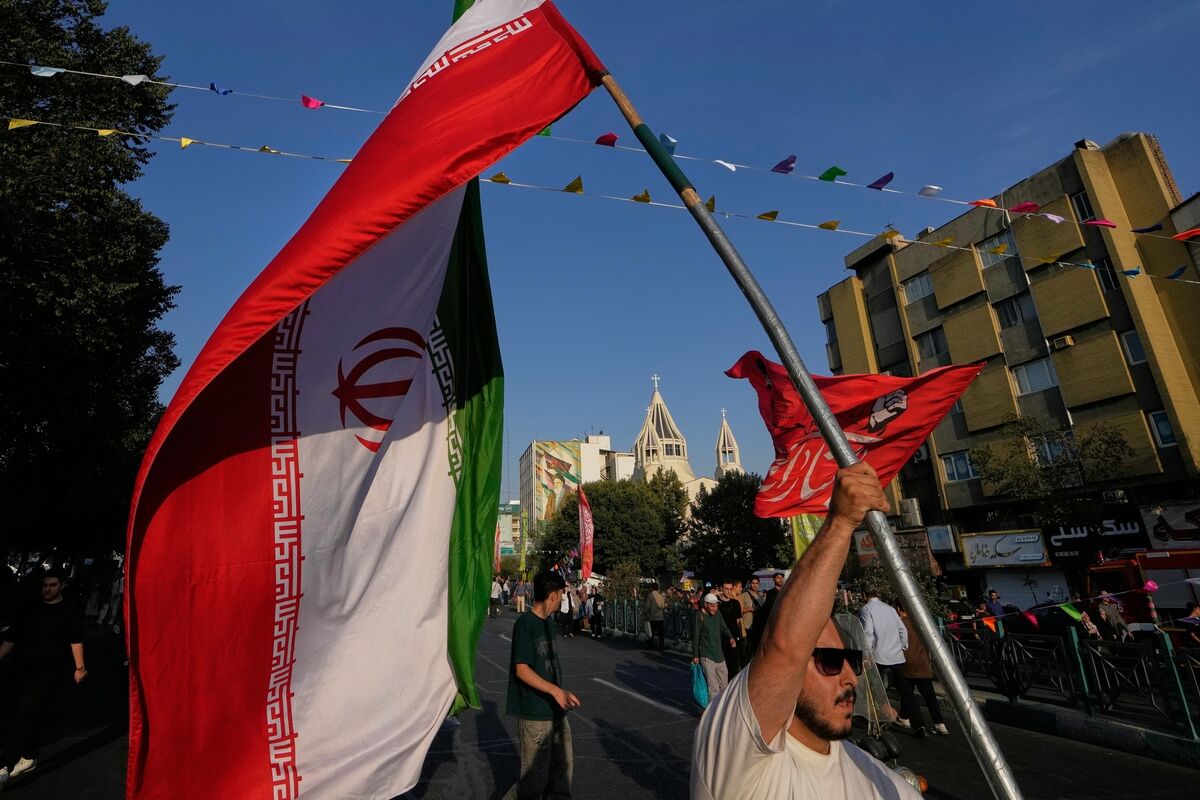
The war has resulted in thousands of civilian deaths and, because of Iran’s retaliatory blockade of the Strait of Hormuz, has caused the global oil market’s largest-ever disruption of supply, resulting in increased fuel prices across the world.
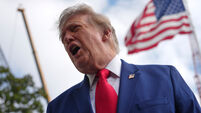
Despite the global economic turmoil caused by what his critics are describing as a “forever war”, Mr Trump on Friday downplayed the conflict, which has now lasted more than six months, as “small potatoes”.
Mr Trump’s comments followed those of his vice-president, JD Vance, who had said he would not call the ongoing conflict a war.
Agreeing, the US president said: “I call it a military conflict because it’s small potatoes for us. It’s not a big thing”.
It is estimated that approximately 10,000 people have been killed in the war, among them a reported 20 US troops.

CONNECT WITH US TODAY



Be the first to know the latest news and updates