A third of young people in mental health crisis attending CUH there because of cannabis
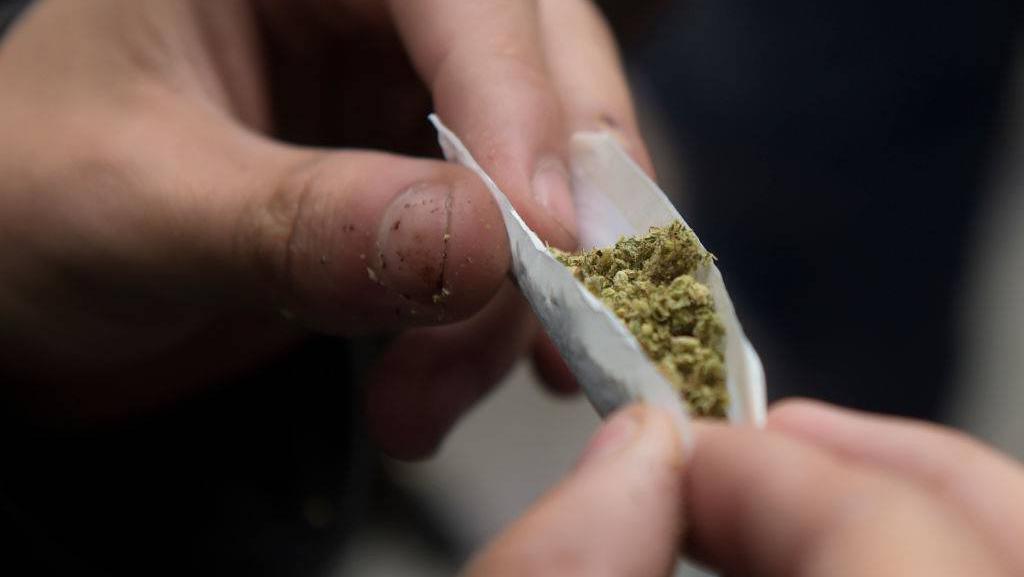
CUH doctor said '30% to 35% of young people presenting to us with a first episode have used illegal substances in the previous month', with 'cannabis by far and away the most common one'. Picture: Getty
A third of young people in mental health crisis at one large hospital are there because of cannabis, a Cork-based psychiatrist has warned.
It comes against a backdrop of severe pressure on hospital mental health services, with just one psychiatrist often responsible for up to 800 patients overnight.
Patients can wait for hours in “chaotic” emergency departments amid bright lights and crowds, psychiatrists and advocates told the Oireachtas health committee.
Dr Karen O’Connor works at Cork University Hospital with the early intervention in psychosis team, along with other mental health work.
She is also vice-president of the College of Psychiatrists of Ireland.
“Within our first episode [of psychosis] teams, 30% to 35% of young people presenting to us with a first episode have used illegal substances in the previous month,” she said.
“Cannabis is by far and away the most common one. There is a very strong association between cannabis and psychosis.”
Read More
She told Fianna Fáil TD Dr Martin Daly that vapes contain HHC, a semi-synthetic cannabinoid. This was made an illegal substance last year in legislation.
“The other thing is the vapes,” she said.
Dr Henry Roberts is chair of the trainee committee at the College of Psychiatrists. He has worked in a number of the large Dublin hospitals.
He described how in a typical night shift, “there is often one psychiatrist trainee in the hospital”.
This person covers an in-patient psychiatric unit with 20 to 50 beds, emergency department, and hospital wards.
“So we’re often responsible for 800 patients in a large hospital campus,” he said.
He agreed with Fine Gael TD Pete Roche “it isn’t acceptable” people in crisis have to wait in an emergency department.
He described often starting at 9pm and being referred patients who have been in the emergency department since 2pm.
He might need to see new crisis admissions, and might not see people in less immediate distress until 7am.
“It is challenging to try and balance the priorities,” he said.
Staffing is part of the solution, he suggested, but he said: “We also need more funding in A&E, particularly for out of hours when it’s one doctor covering an entire campus.”
All speakers, including Mental Health Reform chief executive Helen Gillespie-Brown, raised concerns about the lack of dedicated physical spaces in emergency departments for mental health.
“Access to specialist mental health assessment in emergency departments remains inconsistent, particularly out of hours,” she said.
She called for more funded supports in the community, saying this can help people “before reaching breaking point” in their lives.
Among the changes she highlighted was the need for more Solace Cafes.
These are already in Cork, Waterford and Limerick, for example.
However, more funding to extend their hours and offer a walk-in service is needed, the committee heard.


CONNECT WITH US TODAY



Be the first to know the latest news and updates