'No safe level of exposure': Commercial sunbeds should be banned, says expert-led group
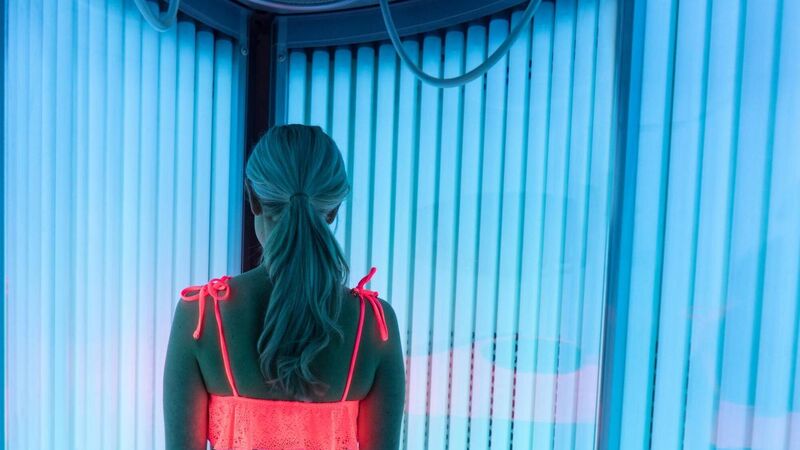
Existing modelling shows a ban on commercial sunbeds would lead to a reduction in the number of deaths from skin cancer, the working group report said.
The Government should introduce an outright ban on the use of commercial sunbeds as there is “no safe level of exposure” to ultraviolet radiation, a report has recommended.
The Sunbed Working Group has formally called on the Government to ban the use of commercial sunbeds, saying existing modelling shows it would lead to a reduction in the number of deaths from skin cancer.
The recommendation by the Government-appointed working group to outright ban their use would require the Government to introduce new bespoke legislation to prevent people from using sunbeds in a commercial premises or private homes, where the service is purchased.
Read More
However, the proposal would not ban their use by private individuals, or the purchase or hire of a sunbed for personal use.
The report cites four reasons for the recommendation, which include a public health rationale given the impact of sunbeds on skin health.
It cites the impact of ultraviolet radiation from sunbeds on skin, saying it causes skin cancer and there is “no safe level of exposure.”
“Sunbeds are classified as a Group 1 carcinogen by the WHO. Children and young people under 35 years, who represent over 45% of current users, are most vulnerable to skin damage from sunbeds,” it adds.
It also says the Irish population, due to a “high prevalence” of lighter skin tones, is particularly vulnerable to burns and is “at greatest risk of skin cancer from UV radiation”.
“A ban on commercial sunbed use would send a strong public health message that sunbeds are dangerous,” it adds.
The report states there is evidence of some sunbed operators breaching the rules around minimum ages, saying this has been seen in inspections and “test purchasing programmes”.
It adds that introducing partial measures would not remove the underlying hazard of sunbed use.
In its report, it does explore the possible economic impacts of an outright ban, with it stating the commercial sunbed sector is “relatively small”.
It outlines that there are approximately 364 commercial operators registered with the HSE.
“Many of these businesses also offer alternative beauty services, including gyms, hairdressers and beauty salons,” the report states.
“A ban would primarily affect a number of small businesses and their employees, with some roles being absorbed elsewhere in the industry.”
It does, however, warn that introducing a sunbed ban in Ireland would incur some costs to the State.
The report highlights that in some Australian states, where bans have been introduced, supports have been provided to businesses to facilitate their compliance with the ban.
“These costs could include support measures for sunbed businesses and employees, for example, retraining programmes, buy-back and disposal schemes for sunbed equipment,” the report states.
“The identification and assessment of such support measures will require detailed expert analysis.”
It adds that there would be further costs in securing compliance with the ban, alongside the introduction of an enforcement programme.
While the report does signal there will be some economic impact, it cites one study carried out in England in 2022, which found a ban and education campaign would lead to 1,206 avoided cases of melanoma and 207 fewer deaths from skin cancer.
CONNECT WITH US TODAY



Be the first to know the latest news and updates