Taoiseach rules out involvement in Strait of Hormuz mission, says it is matter for Nato, not EU
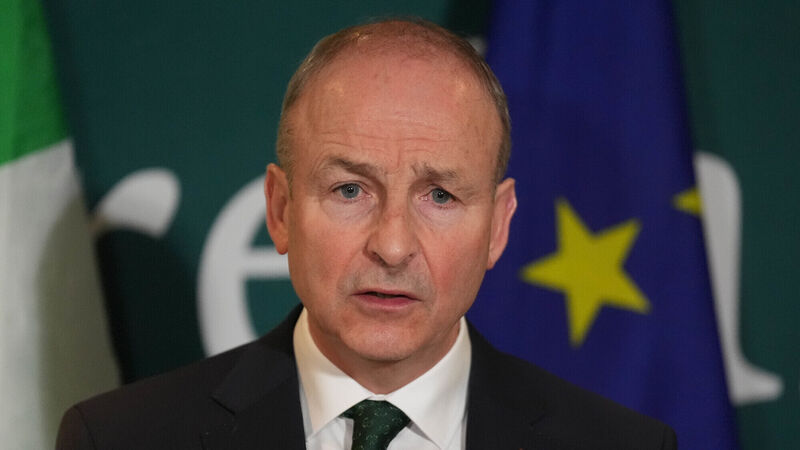
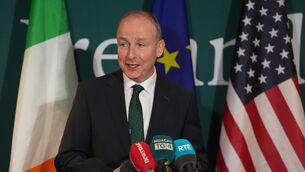
Taoiseach Micheál Martin speaks to the media at the Willard Intercontinental Hotel in Washington DC, during his visit to the US for St Patrick's Day. Picture: Niall Carson/PA
The Taoiseach has ruled out any Irish involvement in a mission to reopen the Strait of Hormuz, saying it is a matter for Nato and not the EU.
Micheál Martin said Ireland would not take part in any mission and that the State is not a “military power”.
“We don’t have that offensive military capacity in any shape or form, so obviously it’s not something that’s on our agenda,” Mr Martin said.
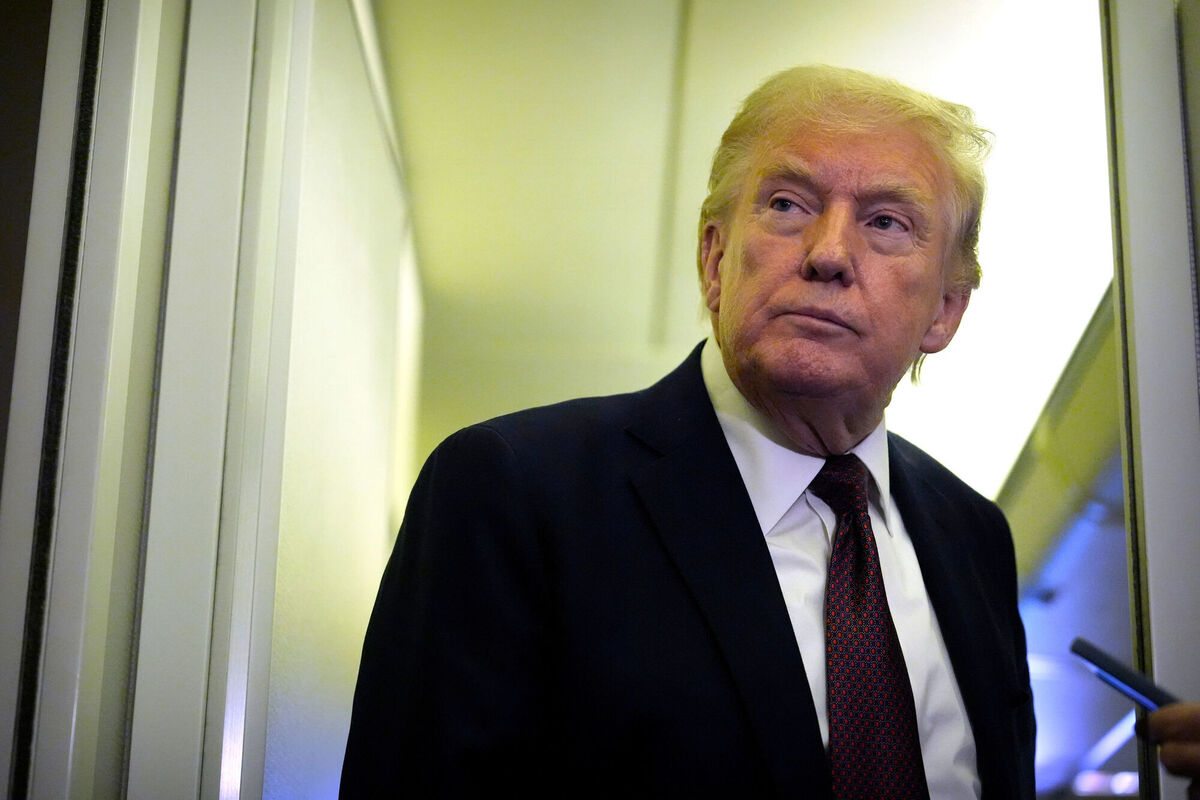
It comes as US president Donald Trump has placed pressure on its allies to join a mission to reopen the vital waterway, where 20% of the world’s oil goes through.
The EU’s foreign policy chief, Kaja Kallas, said the bloc should consider rerouting a naval mission, Aspides, to protect shipping in the Strait of Hormuz. Currently, the naval mission is protecting ships from the Houthi’s in the Red Sea.
Mr Martin pushed back on the calls by Ms Kallas.
“There’s a conversation going on within Nato and between Nato countries and that’s a matter for them to resolve,” Mr Martin said.
“it's our view that we need a peaceful resolution of this.”
Asked about a meeting of EU foreign ministers to discuss the blockages at the Strait of Hormuz, foreign affairs minister Helen McEntee said Ireland would be part of that conversation.
“But it's where Ireland can play its part, as it's very different as well because sending naval ships into that type of an environment because of the fact that it's a conflict zone, is not something that we would be doing,” she said.
"It's about having those balanced conversations with colleagues, and those discussions are ongoing at the moment, so I'll come back to you, maybe once the conversations are done.
"But really, this is an essential route for so much of the world's oil and its fuel to pass through.”
Ms McEntee said Ireland’s priority was in calling for a de-escalation in the Middle East and for the violence to end.
Mr Martin said there were “huge concerns” about the economic implications stemming from the war in Iran.
“I think Iran is recklessly attacking all the Gulf states, for example, and all the citizens and European citizens and Irish citizens within the Gulf who are under threat from those kind of reckless attacks,” Mr Martin said.
“The evidence is now that civilian targets could be really under pressure as well.”


CONNECT WITH US TODAY



Be the first to know the latest news and updates