Government moves to finally scrap emergency Fempi pay measures
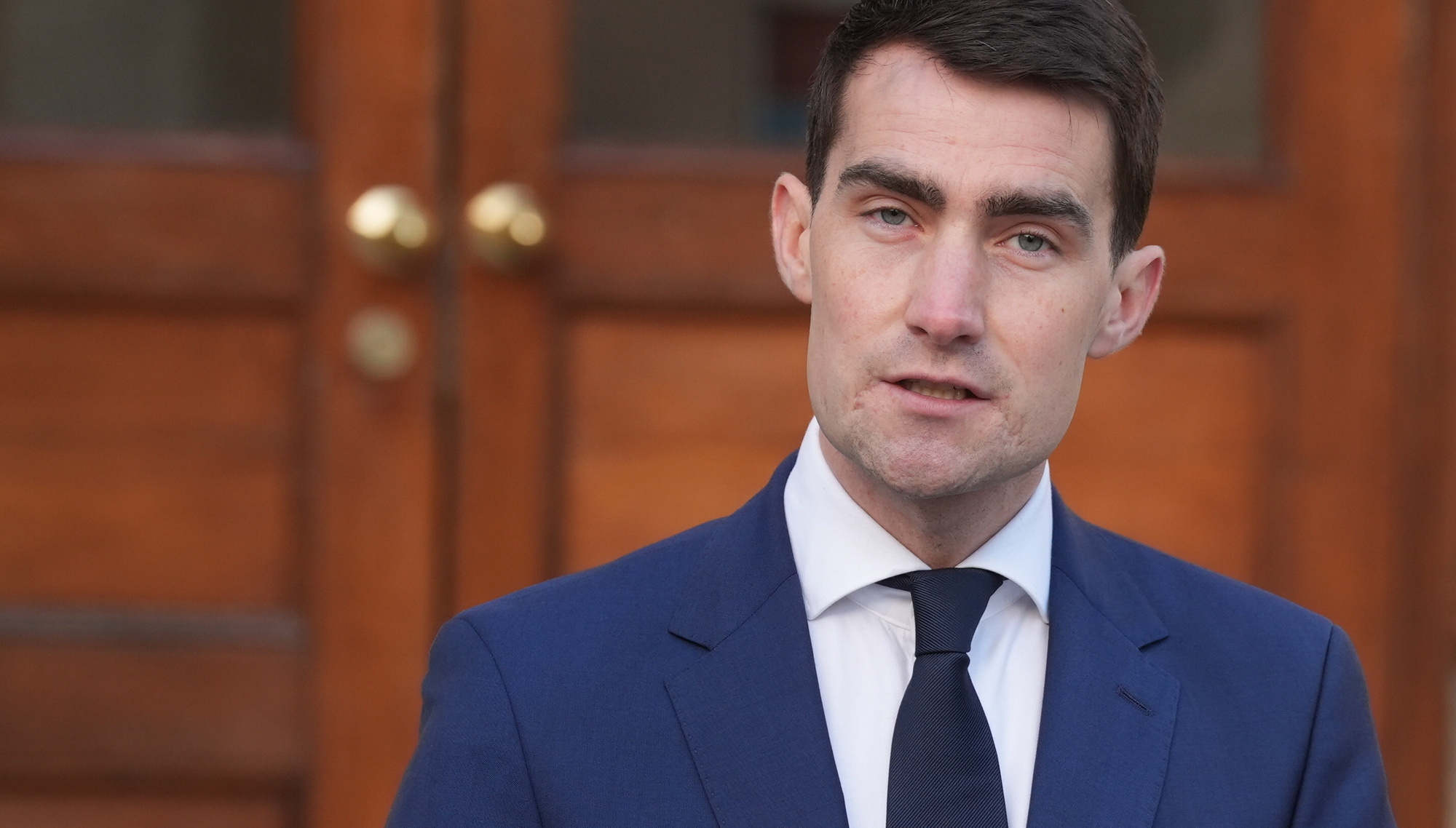
Public expenditure minister Jack Chambers is expected to seek Government approval to end the remaining provisions of the financial emergency measures. File picture
Plans for the final unwinding of the unpopular Fempi legislation — the laws that cut public service pay during the financial crisis — will go before Cabinet today, Monday.
Public expenditure minister Jack Chambers is expected to seek government approval to end the remaining provisions of the financial emergency measures in the public interest acts, which were introduced between 2009 and 2015 to reduce public sector pay and pensions during the recession.
The five Fempi acts were enacted as Ireland battled with economic headwinds and recession.
They reduced the remuneration of public servants and pensions paid to previous public servants.
As part of the current public sector pay agreement, the Government committed to repeal remaining sections of the emergency legislation.
The new legislation will transition public service pay from the emergency-based legislation to a more standard legal framework.
Mr Chambers is expected to tell Cabinet that the change avoids fragmentation in pay arrangements, thereby strengthening oversight and protecting the exchequer from unplanned or unsustainable financial commitments.
A source said the legislation will mark a “symbolic end” to sections of the unpopular emergency provisions, and “underscores the recovery of the Irish economy and its strength in 2026”.
The Fempi legislation has been unwound in phases since 2015, with today’s Cabinet memo marking the final phase.
Elsewhere, agriculture minister Martin Heydon, on behalf of junior forestry minister Michael Healy-Rae, will brief Cabinet on the Government’s mid-term review of the forestry programme 2023-27. It will be noted that 2,527ha of forests were planted last year, a “significant increase on 2024”, said sources.
More than 4,000ha of new forest licences are available for planting, with waiting times for licences having reduced.
The mid-term review will involve amending schemes and measures, with a view to improving their performance for the remainder of the forestry programme's term to 2027.
The Cabinet agenda is lighter than usual due to the St Patrick’s Day exodus of ministers to all corners of the globe.
Several ministers, including energy minister Darragh O’Brien, started their engagements last week, with others travelling over the weekend.
Tánaiste Simon Harris will travel to Paris and London, while Taoiseach Micheál Martin will arrive in Philadelphia this weekend ahead of his meeting with US president Donald Trump in the White House on St Patrick’s Day.
The Dáil is on a week’s recess this week to coincide with the ministers’ St Patrick’s Day travel plans.

CONNECT WITH US TODAY



Be the first to know the latest news and updates