Revenue says proportion of bogus self-employment declarations came from public bodies
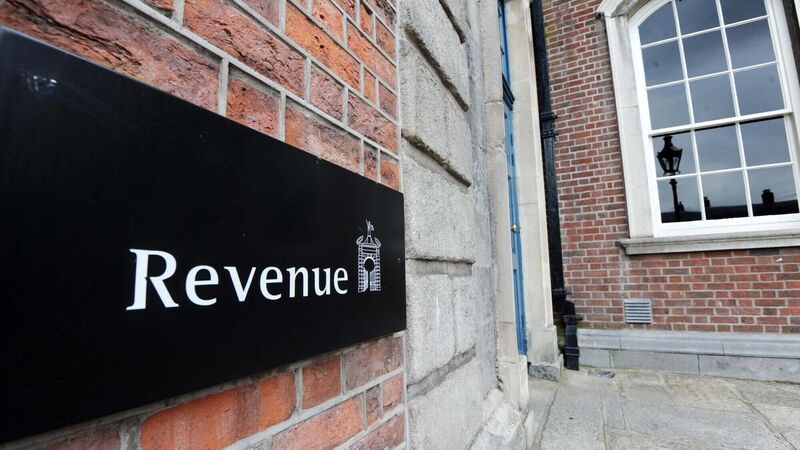
Revenue's voluntary disclosure process saw 280 organisations voluntarily reveal they had misclassified more than 6,600 employees, at a cost of €26.7m in unpaid taxes and social insurance contributions. Picture: Laura Hutton/RollingNews.ie
The Revenue Commissioners has confirmed a substantial proportion of bogus self-employment declarations made to them came from public bodies.
Addressing the Public Accounts Committee, Revenue chair Niall Cody acknowledged as part of a recent voluntary disclosure process “there are public bodies that have come forward”.
That process, which ran from last September to the end of January, saw 280 organisations voluntarily reveal they had misclassified more than 6,600 employees, at a cost of €26.7m in unpaid taxes and social insurance contributions.
Mr Cody told PAC chair John Brady public bodies represented “a reasonable proportion” of the 280 businesses in question. Asked if that fact concerned him, he replied: “I’m always concerned if there is non-compliance."
The Revenue process was instigated in recognition of the Supreme Court’s decision in the Karshan — or Domino's Pizza delivery riders — case, which ruled in October 2023 those riders had been misclassified as self-employed.
Bogus self-employment relates to workers doing the same work as full-time employees of an institution but without any of the associated benefits, like holiday and sick pay or pension contributions.
Mr Cody would not be drawn on whether the public bodies in question were State agencies or departments, but insisted the workers in question were public, as opposed to civil, servants.
Examples of public servants who are not civil servants include nurses, gardaí, and teachers.
Asked what sectors were represented within the voluntary disclosure process, Mr Cody said delivery (riders), hospitality, and the media sector were all part of the “expected” returns. “That entertainment world, there’s a piece there,” he said.
“The reality is that a lot of the employees were very much part-time employees. That brings it into the area of workers’ rights,” he said.
In terms of organisations which made disclosures which were less expected, Mr Cody said the “voluntary sector” had made returns. Asked by Mr Brady for specifics, the Revenue chair replied “some of it was to do with sporting bodies”.
Mr Cody said he would “rather wait” until Revenue has completed its analysis fully before speculating what sectors were the most affected by the disclosures, adding that process would likely take “a few months”.
He said the largest affected organisation would have involved “hundreds” of workers, but "many of those would have been part-time employees”. He said Revenue would publish the appropriate statistics relating to the process when they became available.
The chair did insist, however, the voluntary disclosure process was “not an amnesty”, and those organisations applying to it would be expected to make good their liabilities with the State.
The hearing was the first time Revenue and the Department of Social Protection had appeared at PAC to discuss the issue of bogus self-employment, having always attended separate sessions in the past.
Secretary general of the department John McKeon said comparing the two bodies’ responsibilities in terms of taxation and social insurance was like “comparing apples and oranges”, and admitted that sometimes the bodies will classify the same worker differently.
Mr McKeon said, while significant, the €26.7m collected by Revenue would account for a tiny percentage of the €19bn sent to the social insurance fund annually.
Meanwhile, Mr Cody addressed the issue of the MV Matthew, the drug-smuggling ship impounded by Irish authorities in Cork in 2023, the disposal of which the Revenue chair said was being complicated by the ongoing geopolitical events in the Middle East.
“We are engaged with two potential customers. We are very hopeful that we are getting closer to the endgame,” he said of the ship’s potential disposal.
“There is still clearly uncertainty, exacerbated by events that are happening internationally with regard to shipping,” Mr Cody said, adding he did not expect the ship to have any resale value when eventually disposed of.
Read More
CONNECT WITH US TODAY



Be the first to know the latest news and updates