Taoiseach to meet thalidomide survivors as calls for State apology intensify
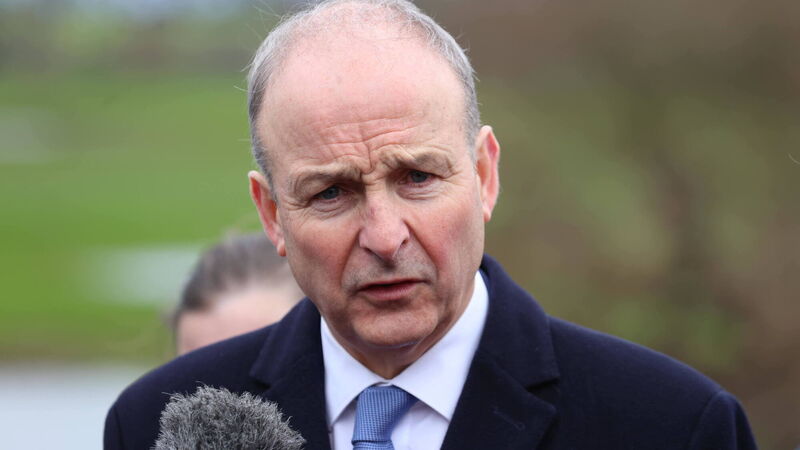
Taoiseach Micheál Martin said that he and Simon Harris met the Irish Thalidomide Association twice in the last quarter of 2025 and that 'these were constructive meetings' where 'several complex issues were raised'.
The Taoiseach says he will meet with thalidomide survivors amid growing calls for a State apology this year.
Survivors' groups are hoping that 2026 is the year they receive a State apology, with Tánaiste Simon Harris on Sunday saying that this year "has to be" the year in which an apology comes.
Thalidomide was prescribed to pregnant women in the late 1950s and early 1960s to stop morning sickness. However, it caused severe birth defects in thousands of babies worldwide. Over 51,000 packets of Softenon, the biggest seller in Ireland, were sold here in 1961.
The drug caused thousands of miscarriages, and babies who survived the pregnancy were born with catastrophic injuries — missing or foreshortened limbs, organ damage, deafness, and painful nerve-ending damage.
Thalidomide was withdrawn internationally in 1961 after it was found to cause major birth defects, but it was not withdrawn in Ireland until the following year.
In the Dáil on Tuesday, Labour leader Ivana Bacik said "everyone agrees there must be a resolution to the State’s scandalous handling of thalidomide".
"What is needed now is a fair and full resolution for the survivors, their families and for the mothers, many now in failing health. As the Irish Thalidomide Association has warned, the clock is ticking for this small group of just 40 survivors.
"Survivors seek justice, the provision of a State apology, and appropriate redress. They have waited six decades; they should not have to wait any longer."
In response, Micheál Martin said that there is a thalidomide facilitation process underway under the chairmanship of Mr Justice Paul Gilligan.
He said that there has been "good engagement" with the Irish Thalidomide Association and the Irish Thalidomide Survivors Society.
Mr Martin said that he and Mr Harris met the Irish Thalidomide Association twice in the last quarter of 2025 and that "these were constructive meetings" where "several complex issues were raised".
"There is ongoing correspondence. We will meet, certainly, our objectives by the end of February. We have established...a national thalidomide advocacy office."
Mr Martin said that a "wide range of health and social care supports are being provided, have been provided and will continue to be provided, in terms of medical card annual assessments, access to allied health professionals, access to international centres of excellence when expertise is not available nationally, prophylactic MRI, unlimited access to exercise and hydrotherapy facilities, and then in terms of personal living supports".
Asked if he would meet survivors before the end of February, Mr Martin said: "Yes, we will come up with a date."
CONNECT WITH US TODAY



Be the first to know the latest news and updates