X spurns TDs and senators as Paris office is raided for allegedly facilitating child abuse images

Elon Musk's social media company X (formerly Twitter) is refusing to appear before the Oireachtas media committee which will be attended by representatives of Meta, Google, and TikTok. Picture: Vincent Feuray/Hans Lucas/AFP
Elon Musk’s social media company X is refusing to appear before an Oireachtas committee today, Wednesday, less than 24 hours after the company's Paris offices were raided over alleged complicity in the possession and organised distribution of child abuse images.
The social media platform, which has its European headquarters in Dublin, declined a request to appear before the Oireachtas media committee, despite the intervention from Taoiseach Micheál Martin, in a move described as “extremely disappointing and worrying”.
The committee is to meet today with representatives from Meta, Google, and TikTok to discuss online regulations. It comes in the wake of international outcry over the use of the AI chatbot, Grok, on X.
The European Commission has launched a formal investigation under the EU’s Digital Services Act into Mr Musk’s company over the production of sexually explicit images, along with the spreading of possible child sexual abuse material generated through Grok.
Speaking ahead of the media committee meeting, chairman and Labour TD Alan Kelly said it invited several online platforms to attend as part of its work.
“While we welcome the attendance of Google, Meta, and TikTok, the committee notes that X declined the invitation to appear,” he said.
The meeting will examine how major online platforms approach regulation, online safety, and the protection of children and young people, Mr Kelly said.
He added: “We plan to discuss issues including content moderation, the use of technology and human oversight to address harmful and illegal content, age-appropriate design, age assurance, and the role of digital literacy and user empowerment.

“We will also discuss how platforms such as TikTok are implementing their obligations under the EU Digital Services Act, particularly considering the high levels of engagement by children and young people in Ireland with online platforms, and the importance of ensuring that their safety, privacy, and wellbeing are protected.”
On Tuesday, prosecutors raided X’s French headquarters. They also summoned its billionaire owner and the company’s former chief executive, Linda Yaccarino, for questioning.
The Paris raid is part of an investigation launched in January last year into the suspected abuse of algorithms and fraudulent data extraction.
The French prosecutor’s office said it subsequently broadened its investigation to cover complaints about Grok.
It said the alleged offences it was investigating now included complicity in the possession and organised distribution of child abuse images, violation of image rights through sexualised deepfakes, and the denial of crimes against humanity.
Other allegations include fraudulent data extraction from, and falsified operation of, an automated data processing system by an organised group, along with operation of an illegal online platform by an organised group, the statement said.
Despite international condemnation of Grok’s sexualisation of images, a new report found the AI chatbot was still producing such images of people even when users explicitly warn that the subjects do not consent.
After X announced new curbs on Grok’s public output, nine Reuters reporters gave it a series of prompts to determine whether and under what circumstances the chatbot would generate non-consensual sexualised images.
While Grok’s public X account is no longer producing the same flood of sexualised imagery, the Grok chatbot continues to do so when prompted. This occurs even after being warned that the subjects were vulnerable or would be humiliated by it.
Meanwhile, former Irish TV personality and Fianna Fáil election candidate Gráinne Seoige, who two weeks ago told the same Oireachtas media committee that the creation and dissemination of deepfake explicit images will be the “abuse scandal of the 21st century if we do not act now” has written to committee members asking that they "press" Meta on a number of issues including whether election period protections as set out in the EU's Digital Services Act are being honoured.
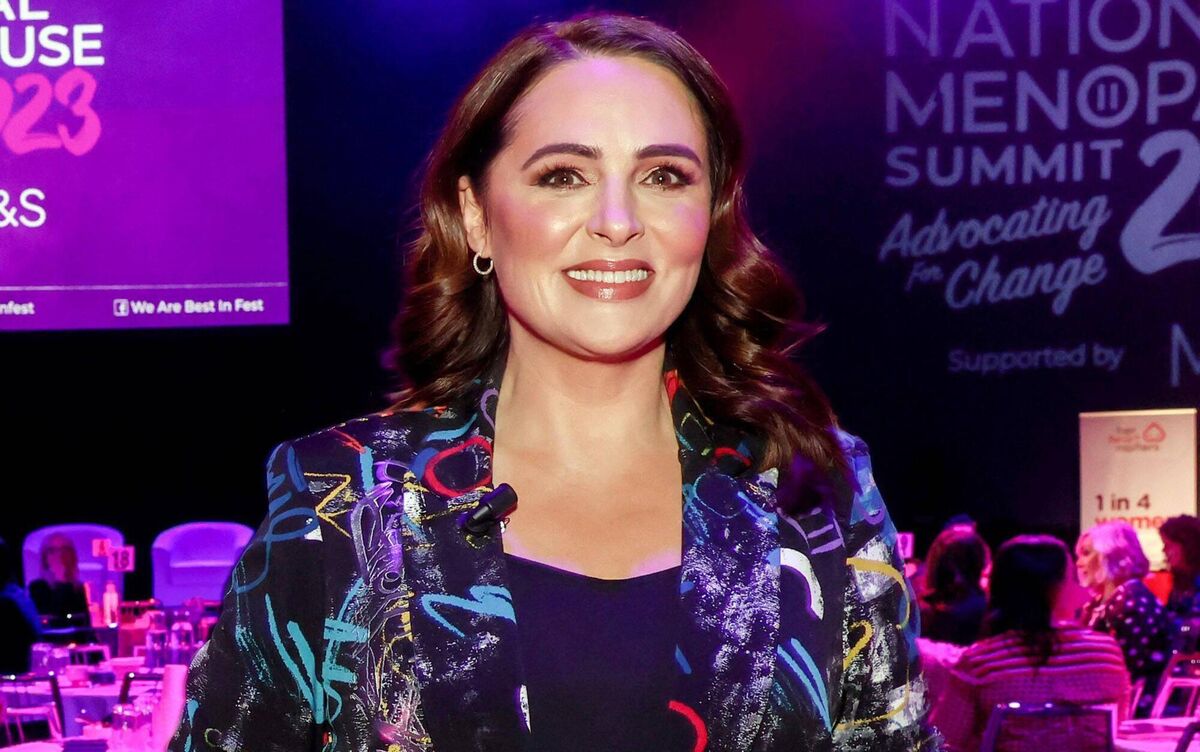
In the email, seen by the , Ms Seoige writes: "[The Act] is intended to protect the integrity of elections and guard against digital interference, intimidation and harm to candidates. Yet during an election period, despite formal engagement and escalation, I did not experience any meaningful additional protection or urgency from Meta/WhatsApp.
"I ask the committee to require Meta to explain what specific election-period safeguards were triggered in my case, if any, what escalation pathways exist for candidates subjected to digital abuse during campaigns, and why that system failed to prevent the widespread circulation of AI pornography through their platforms."
Ms Seoige has also asked members to question Meta on what it knows about messages being circulated on its WhatsApp platform and what information it can preserve.
In its opening statement, Meta will say that it aims for its platforms to be "places where people and in particular young people, don’t have to see content meant to intimidate, exclude or silence them" and that 97% of teens have stayed within the restrictions of its teen accounts on Instagram.
Google, meanwhile, will tell the committee that it "supports evidence-based regulation that protects young people in the digital world, not from it", while TikTok representatives will say that the company has improved its removal rate of harmful content and of content removed both proactively and in a 24-hour period. They will say:
We consider sharing of non-consensual intimate imagery to be among our most serious policy violations.
"Our AI tools are trained not to comply with requests to create nude images or to remove clothes from people shown in images — and we have built-in safeguards to prevent these violating images from being created," the Tiktok representatives will say.
Read More
CONNECT WITH US TODAY



Be the first to know the latest news and updates