ieExplains: What is the triple lock — and why the Government wants to abolish it
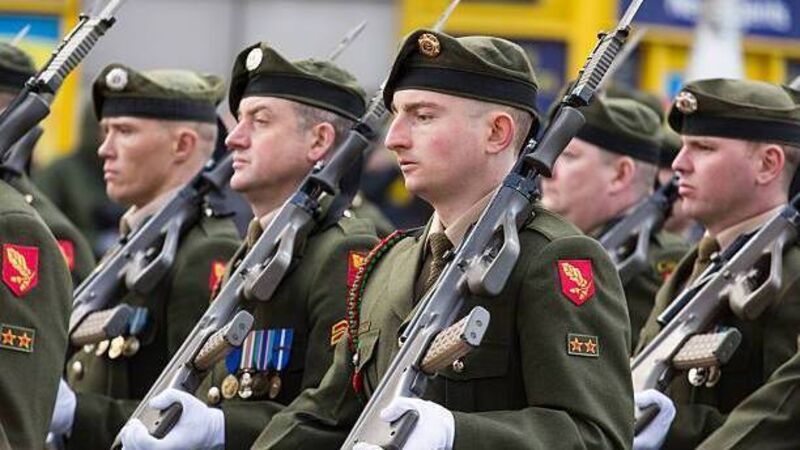
The triple lock is a three-step approval process required before Ireland can deploy more than 12 Defence Forces personnel overseas. File picture
The Government is set to abolish Ireland’s ‘triple lock’ system for sending troops abroad, with legislation expected to progress through the Dáil shortly.
Discussions on the significant change in Irish foreign and defence policy have continued for years, with the proposal first floated by Taoiseach Micheál Martin in 2023.
But what exactly is the triple lock, and how will the proposed changes affect Ireland’s ability to deploy troops overseas?
The triple lock is a three-step approval process required before Ireland can deploy more than 12 Defence Forces personnel overseas at any one time.
This can include peacekeeping missions or the deployment of Army Rangers on overseas evacuation or rescue operations involving Irish citizens.
The three steps currently required are:
- Government approval, taken by Cabinet decision
- A vote in the Dáil
- A mandate from the United Nations, either through a UN Security Council decision or a General Assembly resolution
The Government plans to remove the requirement for a UN mandate before Irish troops can be deployed abroad.
Under the proposed changes, future overseas deployments would require approval from the Cabinet and the Dáil only.
The reforms would also increase the number of troops who can be deployed without a Dáil vote from 12 to 50.
However, in such cases, the defence minister would be required to inform members of the Oireachtas Defence and National Security Committee immediately after a Government decision to deploy troops.
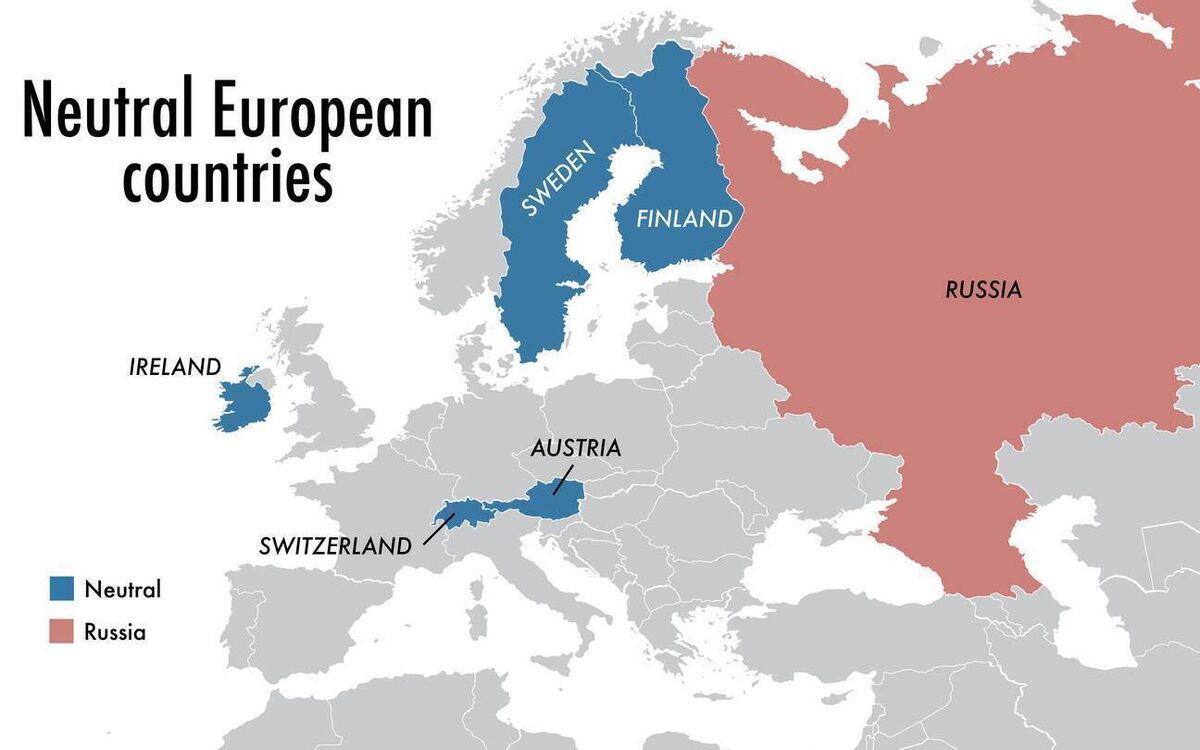
While the Government had already approved the abolition of the triple lock in principle, it brought forward additional amendments on Tuesday to address concerns raised by the Oireachtas Defence and National Security Committee.
These include a requirement for an annual report detailing:
- Where Irish troops are deployed
- The legal basis for each deployment
- Whether missions are meeting their stated objectives
The Government has argued that this will prevent long-running missions from being automatically renewed, increasing political oversight and accountability.
Justice Minister Helen McEntee has also proposed a new legal oversight mechanism, though this is expected to require engagement with the Attorney General.
The changes would allow Ireland to participate in peacekeeping missions not explicitly mandated by the United Nations.
This could include EU-led missions, with the Government insisting such deployments would only proceed if they are consistent with the UN Charter and international law.
Government sources have said the reforms would also allow Ireland to deploy troops more rapidly in emergencies, pointing to the evacuation of Irish citizens from Kabul in 2021 as an example.
CONNECT WITH US TODAY



Be the first to know the latest news and updates