Government must consider how it will fill 'hole in the exchequer' caused by electric vehicles
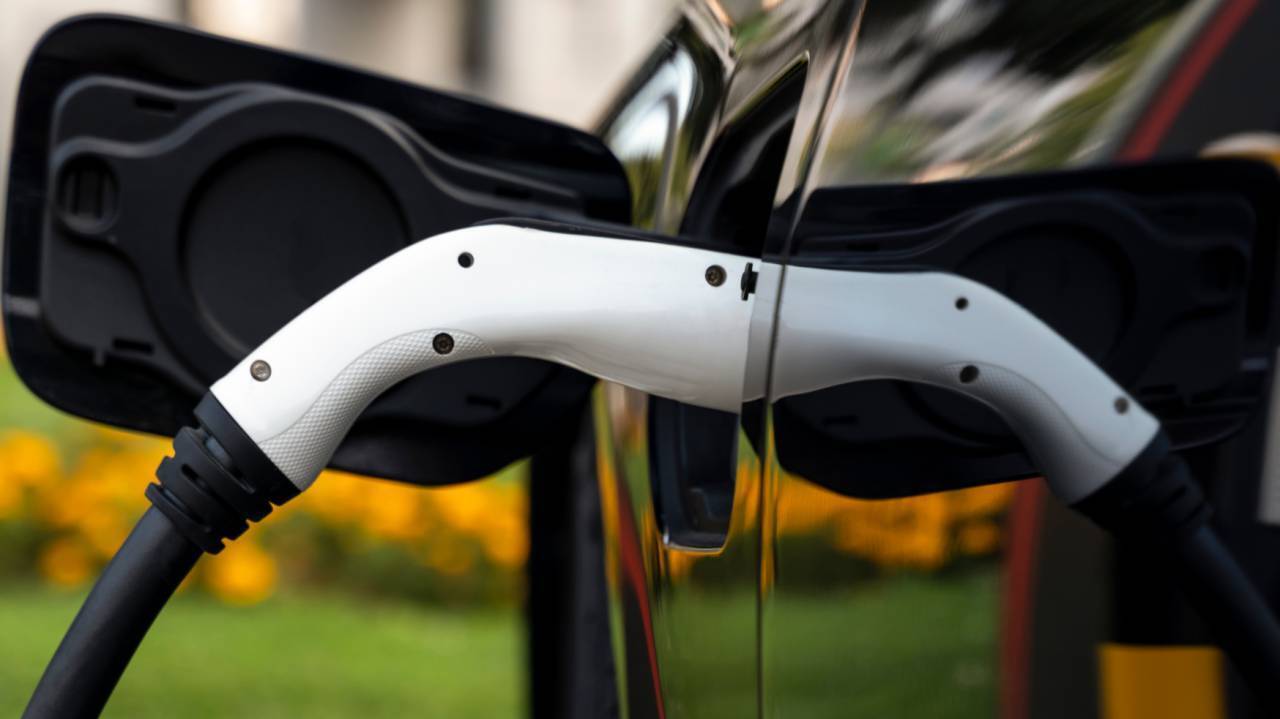
Loss of revenue from fuel will leave a 'hole in the exchequer'. File picture
The Government needs to consider how it will fill a “hole in the exchequer” caused by an increase in electric vehicles (EVs) on Irish roads, the Irish Fiscal Advisory Council (Ifac) has warned.
This, Ifac’s associate research Professor Karina Doorley said, should include considering “other options”, including increased “consumption taxes, income taxes, social insurance contributions, and wealth taxes”.
Ifac chair Seamus Coffey also warned the Oireachtas budgetary oversight committee that the Government’s reliance on spending corporation tax is growing and is “building up vulnerabilities”.
The budgetary watchdog was at the committee to discuss the Government’s medium-term fiscal and structural plan, a new requirement under the revised EU fiscal framework.
Mr Coffey told TDs and senators that the planned pace of spending growth is not sustainable and is due to average 7.1% between 2025 and 2030.
A more sustainable level would be around 5% per year, he said.
Mr Coffey warned the Government is also becoming too reliant on spending money earned through corporation tax receipts.
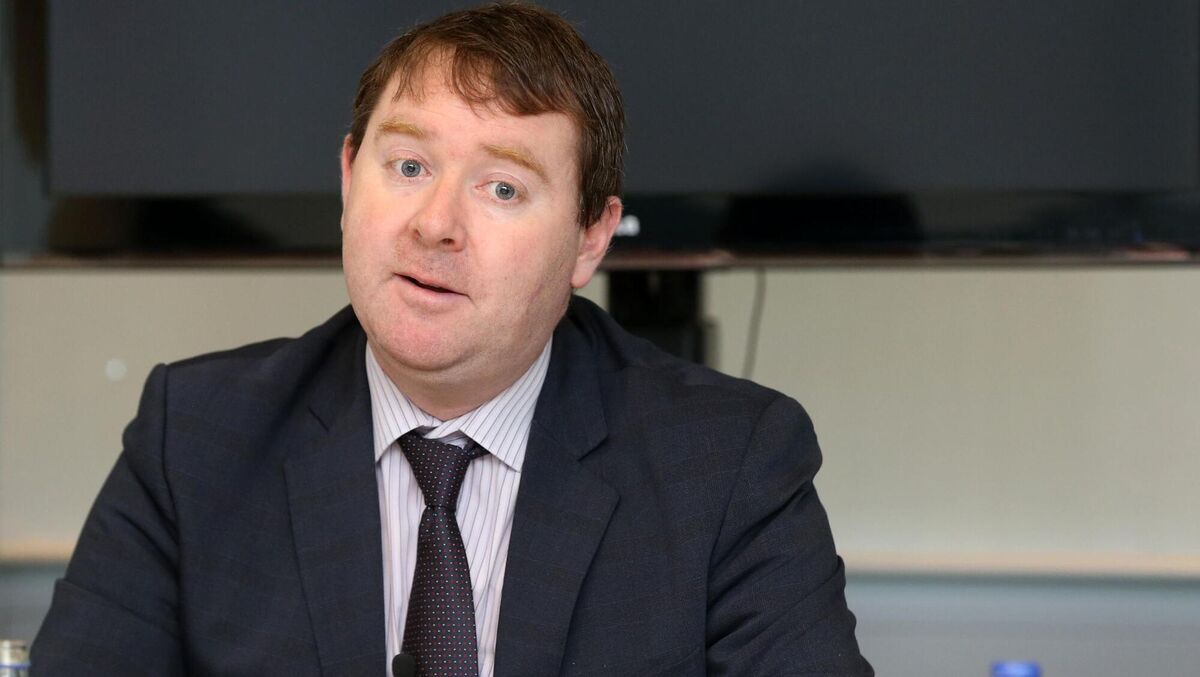
“We've gone from, a number of years ago, spending in the region of 60% of [corporation tax receipts],” he said.
“We're now heading for close to 90% of those receipts being spent and baked into ongoing spending commitments.
“We don't have a hard or fast figure, but we do think we are building up vulnerabilities by having more and more of our spending depending on this corporation tax and then injecting it into an economy that's performing well.”
Fine Gael TD Joe Neville questioned whether the Government should be looking at revenue-raising measures.
Ms Dooley said Ifac did not have any “strong opinions” on what “specific tax should be brought in” to fund increased spending.
“We're trying to meet our climate targets. If we do manage to increase the number of EVs on our roads and reduce fuel consumption, there's going to be a hole in the exchequer from the loss of tax revenue from fuel.
“How are we going to raise that revenue elsewhere? These are the kind of things you can be thinking about. There are lots of options to consider. It's not for us to say which is the best. That's a policy decision.
She said extra expenditure needs to be financed through “sustainable means that are going to stick around”. This, she said, included income taxes and Vat.
She added: “It is not very politically palatable.”


CONNECT WITH US TODAY



Be the first to know the latest news and updates