'We didn’t do enough': Government 'failed to articulate' why people should vote yes-yes
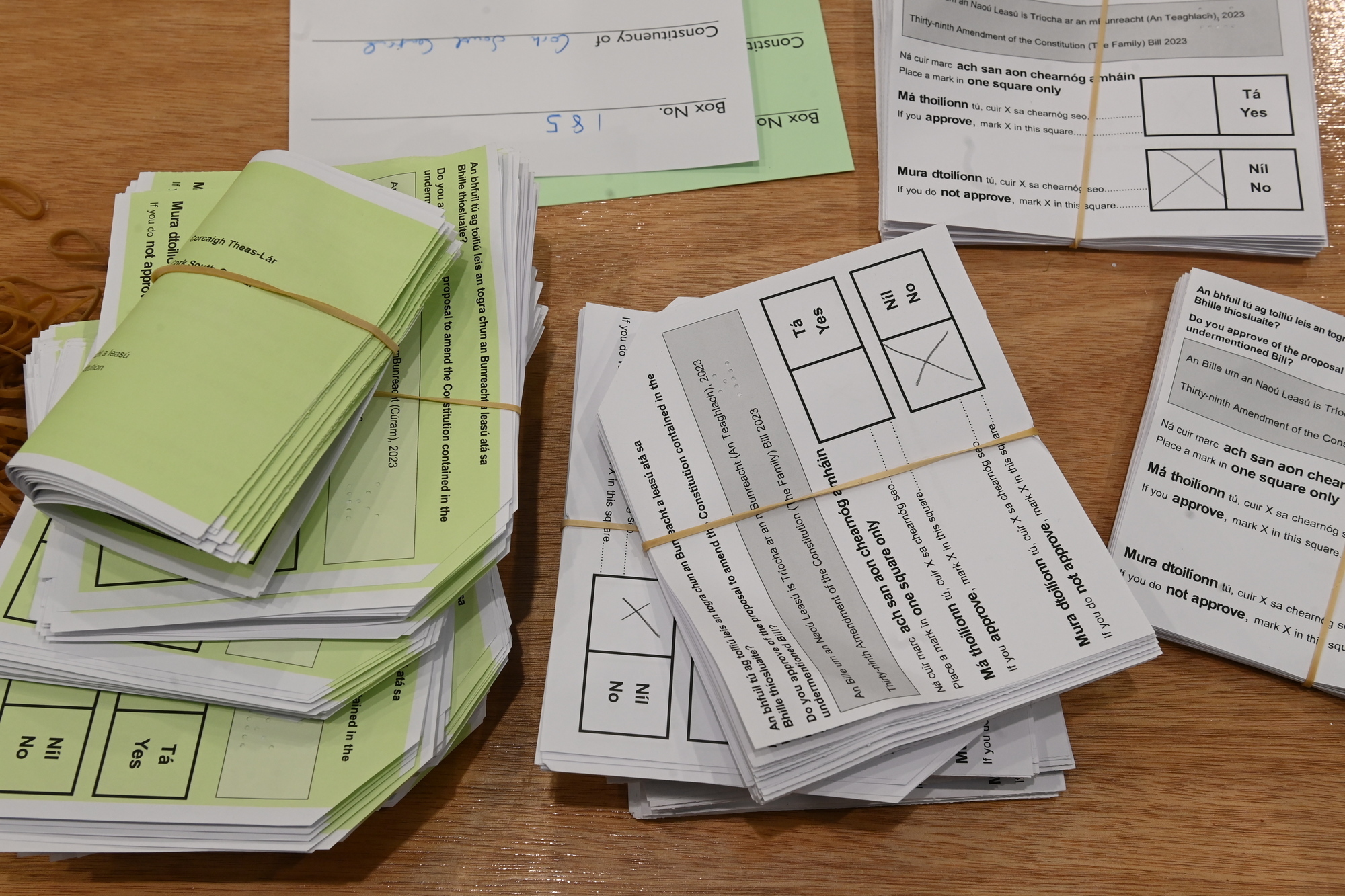
Referenda ballots at the Cork count centre in Nemo. The results of the care amendment saw 73.9% of voters go against the proposed change to the Constitution. Picture: Larry Cummins
The Government has said that it “failed to articulate” to the public why they should have voted yes-yes in the family and care referenda.
On Saturday, both referenda were defeated comprehensively, with the care referendum having the highest no vote, by percentage, in a referendum in the history of the State.
The results of the care amendment, announced at Dublin Castle, saw 73.9% of voters go against the proposed change to the Constitution.
The referendum on family saw more than 67% of voters rejecting the proposal.
Green Party junior minister Pippa Hackett, who sits at Cabinet, said that the Government had “failed to articulate” why people should have voted yes-yes.
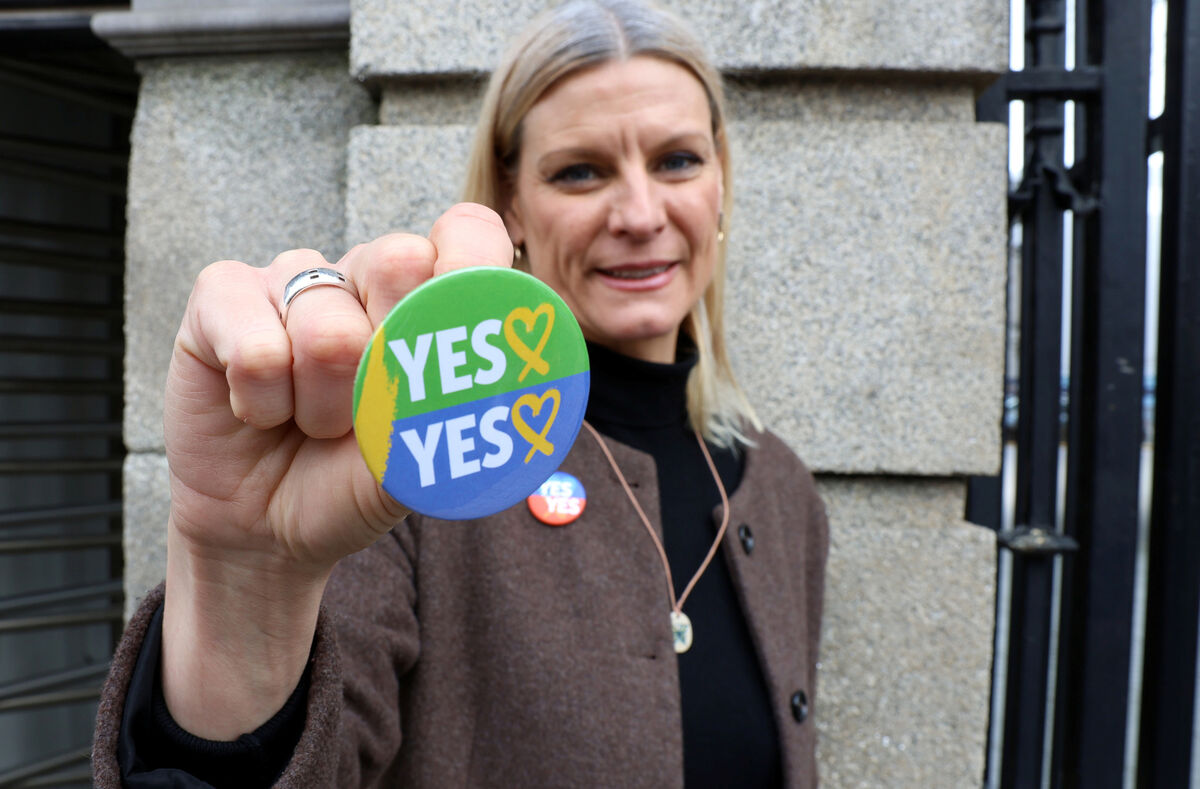
She said that the Government may have got the language of the referenda wrong, adding that there are difficulties when referenda are around issues of values and morals.
“It’s a complex issue and there were many reasons why people voted no. We did maybe get the language wrong," Ms Hackett said, speaking on .
Junior minister Mary Butler said there had been a failure across all Government parties to campaign for a ‘yes-yes’ vote, saying not everybody had got behind the referenda.
Read More
“Obviously, we didn’t do enough and I would have to be straight and say not everybody got behind this across Government. I’ll be very clear about that,” Ms Butler said, on RTÉ’s .
“Some people didn’t and that was their own reason and when you take into account that we had three Coalition parties, we had soft support from Sinn Féin, Social Democrats, and the Labour Party.
“We also had the largest NGOs in the country that supported the changes to the referendum clauses.
“But I do believe, if I have to be truly honest, that we could have done more and we didn’t.”
Ms Butler said there needs to be reflection on the matter, adding that the same six or seven people were primarily brought out to campaign in the media.
Aontú leader Peadár Tóibín said that it had been a “great result” for the two referenda, describing it as a “victory for democracy” and a “victory for the people against the political establishment”.
Mr Tóibín said that the referenda were not defeated due to the public not understanding what was proposed, but due to people not agreeing with the changes.
“I think it’s a little bit patronising when people say, ‘well, we didn’t explain it properly’ or ‘people didn’t understand it properly’,” Mr Tóibín said.
“I think if a Government party still has those instincts, even at that stage, they’re still not listening to the people and that’s at the heart of the problem here politically.”


CONNECT WITH US TODAY



Be the first to know the latest news and updates