Future generations will wonder why 'fast fashion' was once acceptable, says Ryan
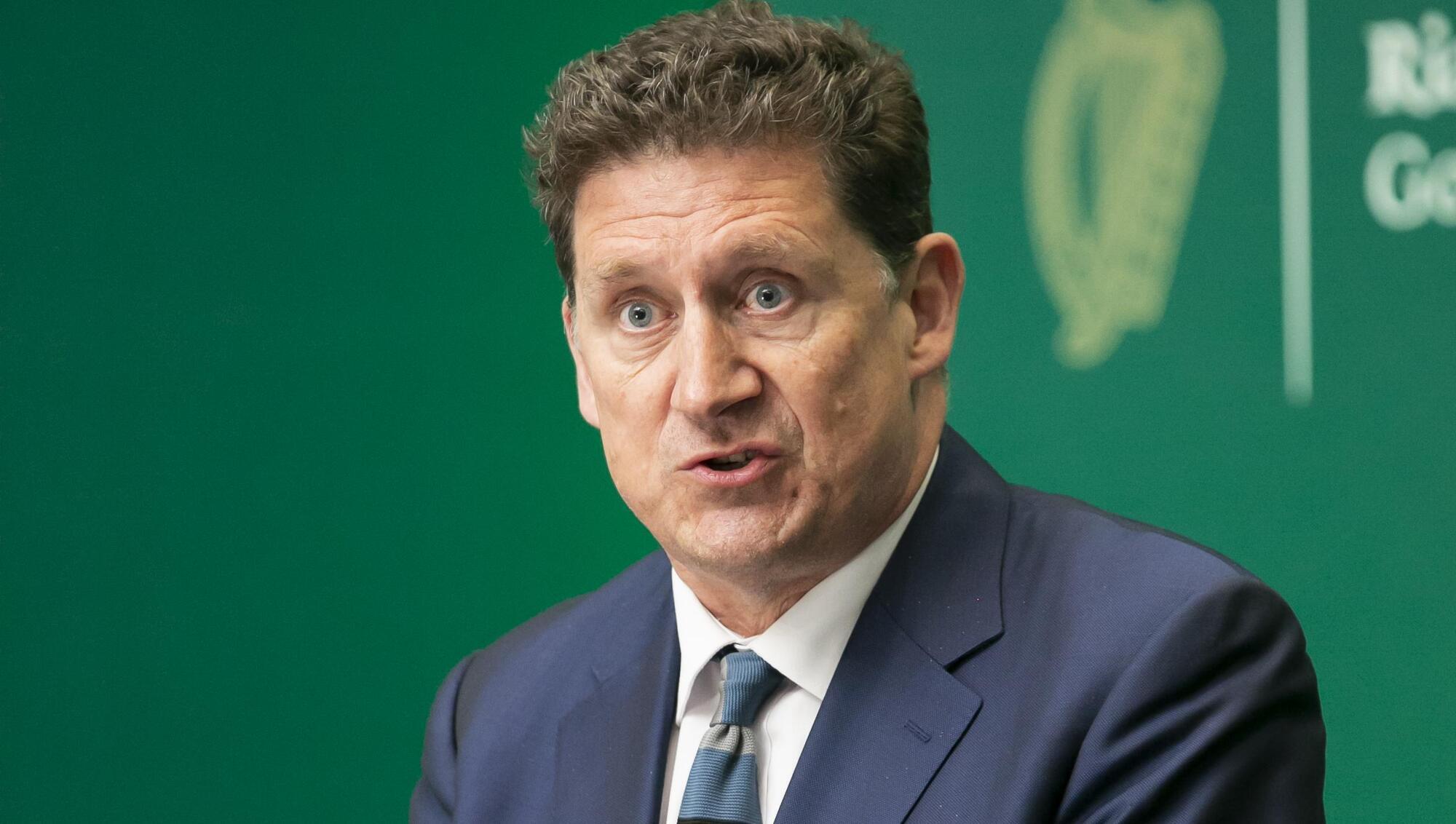
Environment Minister Eamon Ryan said we will look back on fast fashion 'and think that it's not as classy as buying something really good and wearing it a hundred times'. Picture: Careth Chaney/Collins Photos
Future generations will be horrified by fast fashion and our current consumption habits in the same way as we now look back at how smoking was once acceptable everywhere, the Green Party leader has warned.
Eamon Ryan has said the generations to come will also wonder how we let our waterways become so polluted, and will question our overreliance on cars.
Mr Ryan has also warned that as a country that sells itself as being a green destination both for tourism and food production, Ireland is at risk of being accused of "greenwashing" if we allow our ecosystems and biodiversity to decline further.
In an interview to mark the start of the 's sustainability month coverage, Mr Ryan said: "I think fast fashion is one of the issues that people will in future look back on.
He said: "It's like why did we allow smoking on the bus? Well, because, you know, no one thought to maybe say: 'Sorry, you're killing me here too'.
Fast fashion, referring to garments produced and sold at cheap prices, has wide-ranging environmental impacts. The fashion industry accounts for about 8%-10% of global carbon emissions, and nearly 20% of wastewater, and 85% of all textiles go to dumps each year.
Mr Ryan added: "The way we really just buy something, use it three times and then throw it out, that's an example of that disposability, I think we will look back at that and think that it's not as classy as buying something really good and wearing it a hundred times."
However, Mr Ryan said Governments must ensure that there are high environmental standards, high employment standards, and higher production standards in place as the onus cannot be on consumers to choose items that have the least impact on the planet.
The Green Party leader raised serious concerns that there are now just 20 rivers that have “pristine” conditions, down from more than 500 in the 1980s. The Environmental Protection Agency has raised concern about the impact of wastewater and agricultural runoff in our water quality in multiple reports in recent years.
He said: "One of the things that will really jump out [to future generations] is how did we allow our waters be so polluted? How did we go from a system where we had pristine waters to where they were all polluted? How did we miss that?"
Mr Ryan added: "I grew up in an Ireland where those rivers were clean. I grew up in a street where you played on the streets, everyone did.
"It wasn't as if it was all rosy, there are lots of things that are better now. It's just if we let nature go, that's kind of a fundamental loss that undermines everything."
He said Ireland is now at risk of being accused of "greenwashing" as we are selling ourselves as a green brand.
"When Joe Biden was here, his speeches were full of the island of 40 shades of green, and if you look at any of our tourism advertising, or if you look at our food advertising, we are all the time selling ourselves on the basis that we have this beautiful island, which we do, but we have lost a huge amount of nature, we have a real problem in not having looked after our land," he said.
"We do have a family farming pastoral system, but we just have to be careful we don't lose it."


CONNECT WITH US TODAY



Be the first to know the latest news and updates