Politicians should face fines if interests not properly updated on new electronic register
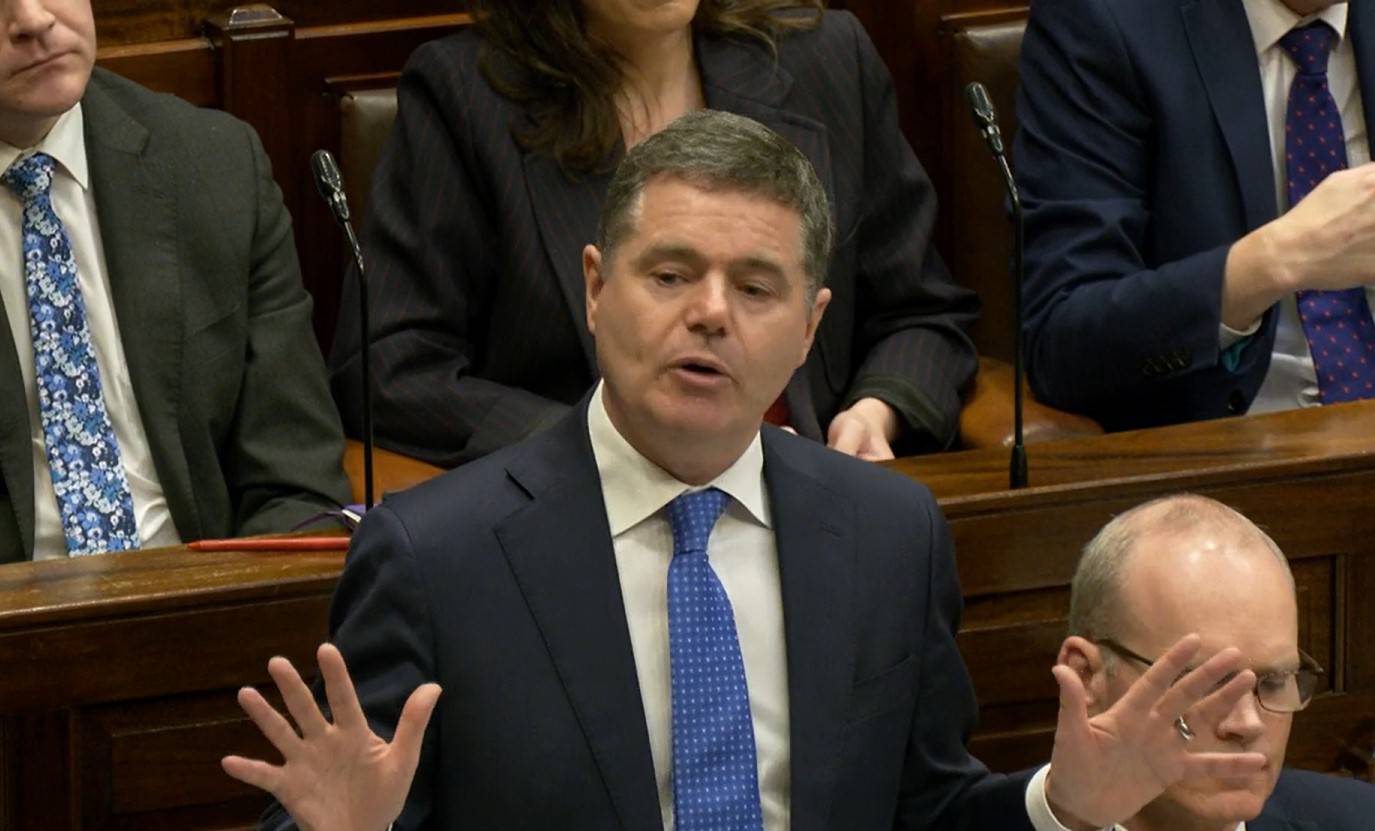
Public Expenditure Minister Paschal Donohoe also found himself under scrutiny in recent weeks after it emerged that he did not declare postering during the 2016 and 2020 elections.
Politicians should face a range of fines if they do not properly update their declaration of interests on a new electronic register, a review of Standards in Public Office (Sipo) has recommended.
It comes after the resignation of junior minister Robert Troy over his failure to declare all his property dealings to the Dáil register of members’ interests.
Public Expenditure Minister Paschal Donohoe also found himself under scrutiny in recent weeks after it emerged that he did not declare postering during the 2016 and 2020 elections.
The review has found that the way in which Sipo currently looks into complaints made against politicians is "lengthy and cumbersome".
It has recommended that a "range of appropriate sanctions is developed with fixed fines for breaches of disclosure obligations combined with the benefits of the existing inquisitorial model."
It has suggested that a penalty system be introduced similar to the Central Bank’s administrative sanctions procedures model.
Rather than on a fixed annual basis, disclosures of interests should occur upon taking up a position and then updated as required, the review has advised. Revised disclosure arrangements would be best done via a new electronic system rather than paper-based reporting.
The document, published on Tuesday has recommended that the laws relating to ethics should be underpinned by a set of overarching integrity principles:
- New specific statutory prohibitions, including on the use of insider information.
- Strengthening disclosures requirements to improve transparency and examining whether the regime should encompass more office holders.
- Strengthening the Standards in Public Office Commission (Sipo).
- Any post-term employment restrictions for elected officials/public servants should address matters not already covered by lobbying regulation and should align closely with that legislation.
The review has also found that the issue of elected officials and senior public servants moving into the private sector where they may engage almost immediately with ministers, Government Departments or public bodies where they previously worked has raised "certain public concerns".
While measures, including a year-long cooling off period for former public representative and office holders, are already in place, the report found that "a number of high-profile cases have kept the issue in the spotlight since the Dáil last discussed the Public Sector Standards Bill in 2017".
It has recommended that: "Any cooling-off periods contemplated must be carefully targeted to address specific concerns not already covered by the framework for the regulation of lobbying and should align closely with the provisions of that legislation."


CONNECT WITH US TODAY



Be the first to know the latest news and updates