Varadkar was not referred to in nursing home charges memo, spokesman claims
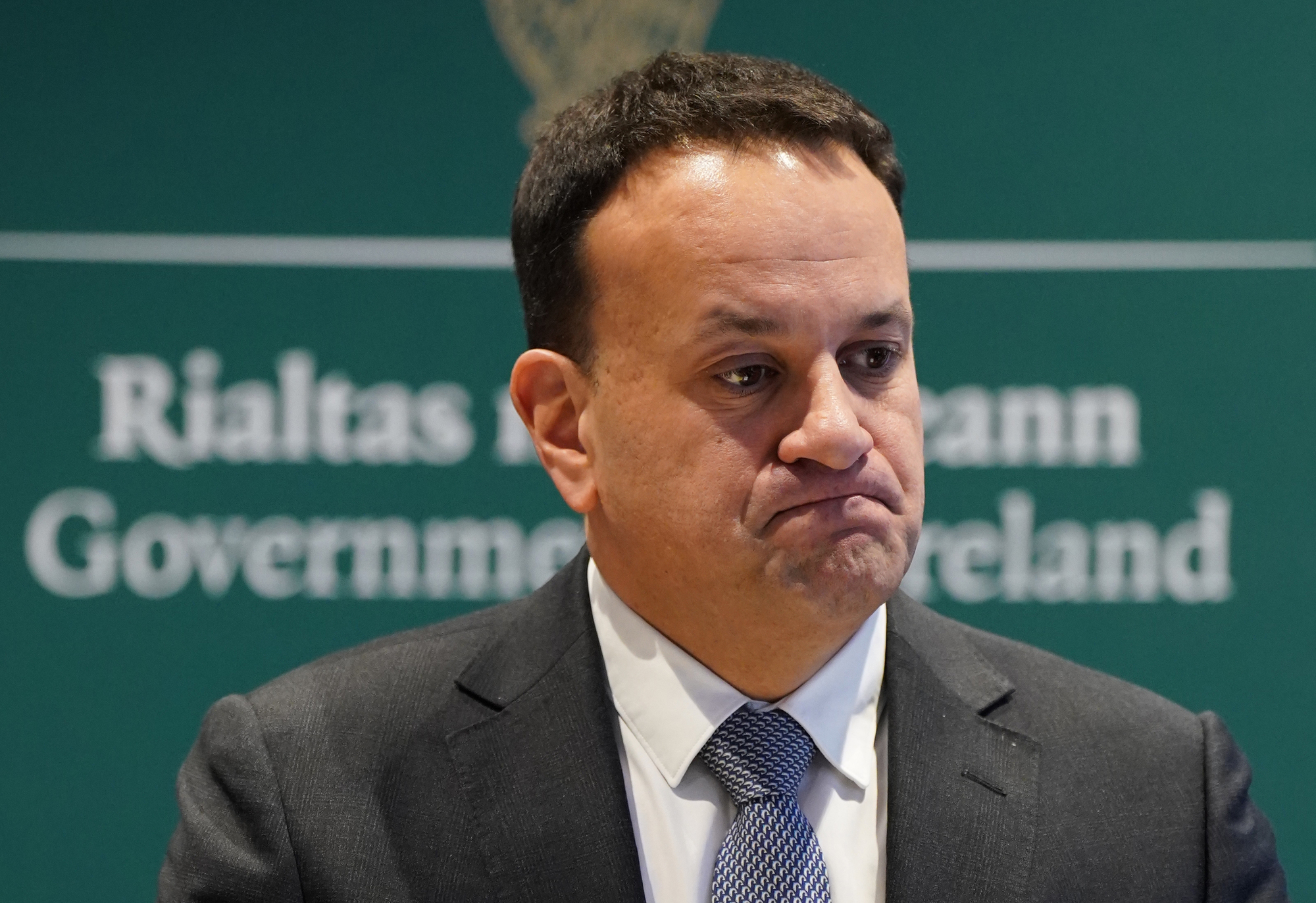
Previous reports on the issue suggested that Mr Varadkar had signed off on payouts for families of those overcharged. The spokesperson has now said otherwise.
The Minister for Health referred to in a Department memo on nursing home charges from 2016 was not Taoiseach Leo Varadkar, a spokesperson has said.
Previous reports suggested that Mr Varadkar had signed off on payouts for families of those overcharged.
However, his spokesperson said the Department of Health had informed the Department of the Taoiseach that the May 2016 document on nursing home charges did not refer specifically to Mr Varadkar during his tenure as Health Minister.
The document was prepared by the Department of Health's older persons service oversight and planning unit.
However, the spokesperson could not clarify which former health minister the memo refers to.
An internal review of the issue, which dates back to the 1970s, will be completed by the Attorney General by next week's Cabinet meeting.
Mr Varadkar told the Dáil the strategy was to defend the cases relating to private nursing homes on several grounds, in particular that medical card holders did not have an entitlement to free private nursing home care.
Meanwhile, an Ombudsman’s investigation into the State’s handling of the nursing home overcharging issue “had to be resisted” because it represented “an impermissible intrusion” into how Government departments handle legal cases, secret documents seen by the reveal.
They show that the office of the Attorney General advised ministers that Ombudsman's probe represented a “very serious matter” which if left undefended “would create a highly undesirable precedent” for both the role and operation of the Government.
The documents state that the approach taken by the Ombudsman “had to be resisted" because of its very wide implications across all Government departments and because it was directly contrary to the role of the Ombudsman as specified by the Oireachtas.
The 2011 documents state that given the scale of the potential exposure to the State’s finances, a “multi-faceted” legal strategy was developed by the previous minister and Attorney Generals.
“This strategy has been developed and refined over time at a series of meetings at both official and ministerial level,” the documents state.
“The strategy is that in general, these proceedings should be fully defended and that a strong case should be identified which can then be fought as a test case."
In relation to “settlements”, the memo outlines the Government’s legal advice “against making discovery” and says that it is “necessary to settle the most advanced cases”.
“We must consider how to manage the remaining cases in order to achieve the most cost-effective outcome, reduce legal costs and avoid, in so far as possible, the instigation of further litigation against the State,” the document states.
"The Department has settled a number of cases every year since 2007 and in each instance has explored all options in relation to running the case, or otherwise. At present, there is no obvious lead case, and therefore settling, for the best possible economic value, is the most appropriate course of action,” it added.

CONNECT WITH US TODAY



Be the first to know the latest news and updates