Taoiseach plays down need for referendum after Supreme Court's Ceta ruling

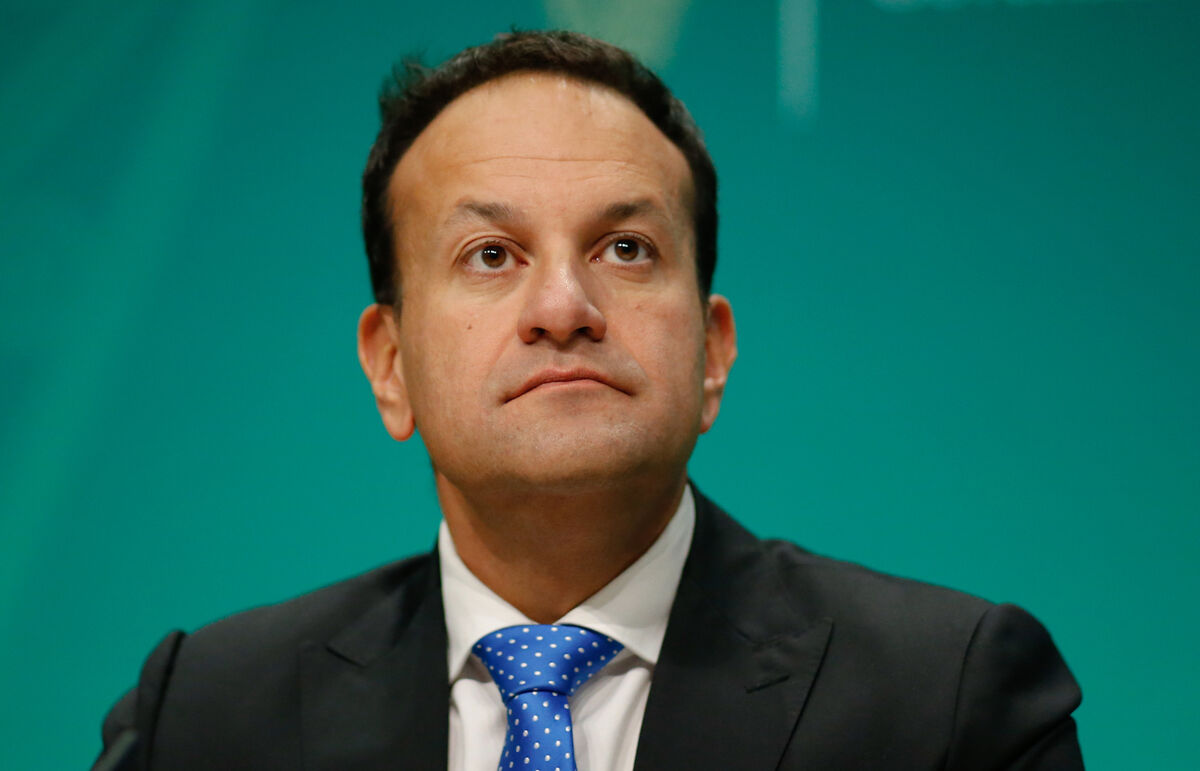
The Taoiseach reiterated his support of the EU-Canadian trade deal and said that it has been in operation provisionally since 2017. Picture: PA
Leo Varadkar said the Government remains committed to ratifying the Comprehensive Economic Trade Agreement (Ceta) agreement in full, despite the Supreme Court ruling it unconstitutional.
The Taoiseach, meanwhile, has echoed the comments, downplaying the need for a referendum.
The majority of the Supreme Court ruled on Friday that the Irish Constitution precludes the Government and Dáil Éireann from ratifying the EU-Canada Ceta deal. The case was brought by Green Party TD Patrick Costello, who said he is “delighted” he has won his challenge.
Speaking in Blackpool, England, Micheál Martin said the Government will have to assess the judgment, but he did not automatically think a referendum was needed. He said that the judgment was not a determination on free trade.
He said that the "preliminary assessment is that referendum will not be required at that amendment to domestic legislation will suffice", but added that "that is the preliminary assessment right now".
The Taoiseach reiterated his support of the EU-Canadian trade deal and said that it has been in operation provisionally since 2017.
"400 Irish companies are involved in the Canadian markets. CETA has actually been very beneficial in increasing trade for Irish companies, which benefits our economy, which creates additional wealth for the country and creates additional jobs. We're very open and we're global and we export most of what we produce.
"But there is a point of law that has been adjudicated upon by the Supreme Court and the Government will respond to that."
Mr Martin said that the Green Party will assess the judgment and that the Government will "work through this". He added that it was "an important issue" for the Government because he feels that free trade is "a key issue".
He said that the judgment itself does not necessitate a referendum on the deal.
However, the Taoiseach rejected the idea that there was a difference between Sinn Féin's opposition to CETA and Mr Costello's. Mr Martin said on Thursday that Sinn Féin's opposition of the treaty was proof of its "anti-enterprise" stance.
Mr Martin said that he supports Mr Costello's right to bring the case.
The Tánaiste said today that he noted the decision of the Supreme Court adding that it is disappointing that ratification is not now immediately possible. However, he said a referendum to pass the agreement will not be needed.
In a statement, he said: “It will now take some time to reflect on the wider decision and consider its implications. Our initial assessment is that a referendum is not required, and that ratification can follow once some changes are made to domestic law.”
Speaking outside the Supreme Court on Friday, Mr Costello said: “I think the important thing to take away is that the Dáil cannot ratify this as it stands, right now.”
Mr Costello argued that the Investor Court System would be unconstitutional as it transfers vital elements of the State’s sovereignty to external institutions not accountable to the Irish legal system.
Back in 2020, the Government attempted to ratify the Ceta deal through the Dáil. Mr Costello’s case focused on Chapter 8 of Ceta, which provides for investor protection and the establishment of an investment court system aimed at resolving disputes between investors and EU member states.

Mr Costello said he believes investor courts are a “real threat” to the Government’s ability to bring in “progressive legislation in terms of the environment, workers' rights, housing, rent control, and a huge range of areas.”
He said: “So for the court to say clearly today that these investor courts infringe on our own court sovereignty and independence and function is a really strong and powerful statement. I’m delighted they’ve endorsed that position.”
When asked if he would vote in favour of the Ceta deal if there are changes made to domestic law, Mr Costello said he would still be concerned in relation to investor courts and the “chilling effect” they would have on the Government’s ability to pass legislation.
He said the Netherlands was recently sued for billions of euro because they tried to stop burning coal.
He added:
"These are the kind of things investor courts will fine governments for and the last thing we need is something that will stop government in terms of progressive environmental legislation, but also anything that would affect a Canadian investor’s investment such as rent controls, such as workers' rights are liable to end up before an investor court and certainly look there’s a long history of investor courts around the world.
“Ireland’s very lucky that we haven’t been in an investor court up until this time.”

CONNECT WITH US TODAY



Be the first to know the latest news and updates