State's medicines bill is double what we spend on defence – health minister
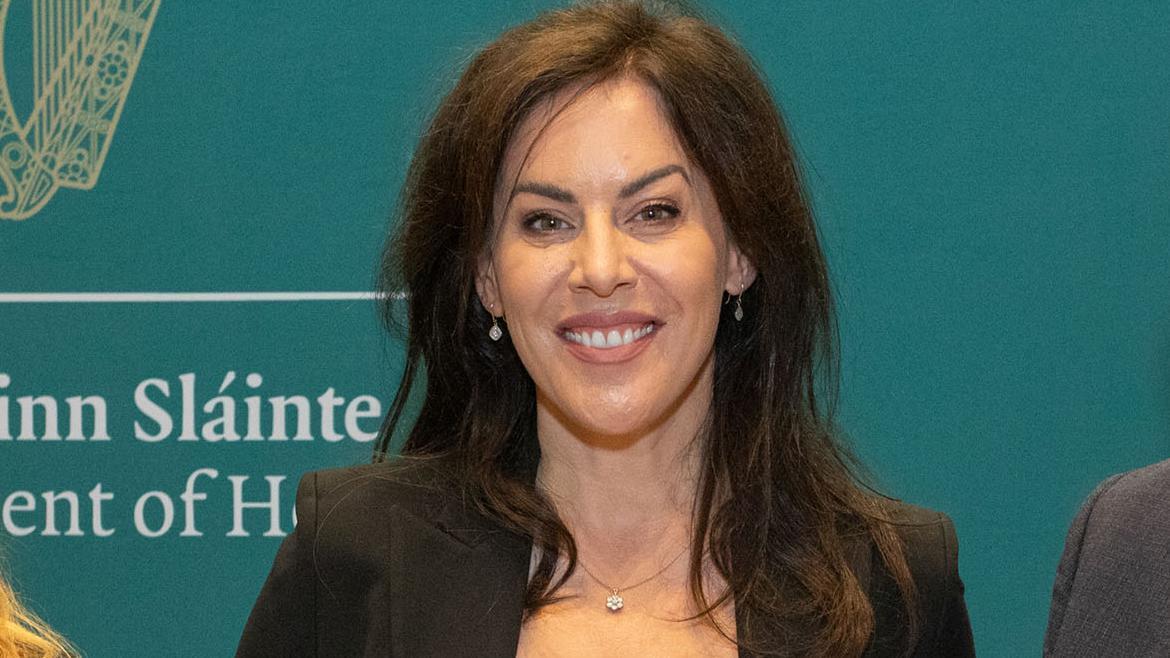
Health minister Jennifer Carroll MacNeill said Ireland's spend on drugs in hospitals will be up to €4bn this year, while 'the whole Department of Justice budget is about €6bn for everything'. Picture: Bryan Brophy
The State’s medicines bill is twice the defence budget and has to be “managed and reasonable”, health minister Jennifer Carroll MacNeill has said.
And a health economist has warned that paying high prices for medicines “does more harm than good”, when other care loses out.
Jennifer Carroll MacNeill said: “Our drugs budget generally is very large. And I’m not sure people realise how big it is.
“We’re looking at €3bn to €4bn this year, just to be spent on drugs in hospitals and be provided to GMS patients [medical card].”
This includes the drug-payment scheme.
“The whole Department of Justice budget is about €6bn for everything,” Ms Carroll MacNeill said.
Other budgets, such as the €11bn a year for education, “contextualise” the medicines spend, she said.
“There has to be a measure of assessment and control around that budget. It isn’t automatically unlimited; it could double to €6bn tomorrow, if that were the case,” she said.
“We just have to be managed and reasonable about that over time.”
Costs are “only going in one direction”, she said, referring to new drugs as factors.
“But you have to ask, at the most macro level, as a proportion of public spending, how big that should be in any economy,” she said.
Ronan Mahon, health economist and lecturer at the University of Galway, raised questions about the value of medicines over other healthcare.
Mr Mahon pointed to vital talks on pricing, between the HSE and the Irish Pharmaceutical Healthcare Association, over the next four years.
Those cover costs, access to new medicines for public patients, and other issues. He said:
“In other words, it would likely better serve Irish patients to spend this money elsewhere in the healthcare system. A speedier process, yes, but the new agreement must also lower prices.”
In December, it emerged that Britain’s NHS will pay 25% more for new medicines over time. This, Mr Mahon said, is “widely seen as a response to threats from the pharma industry to withdraw manufacturing and research investment”, as well as Donald Trump’s comments around trade tariffs.
Ireland, especially Cork, also relies heavily on pharmaceutical manufacturing.
“The Irish Government has already shown a willingness to bow to pharma industry pressure, when it changed its position on proposed EU legislation that sought to achieve more equitable access to medicines,” he said.
“Regarding both the EU legislation and the current pricing negotiations, pharma industry lobbying tactics have included subtle and not-so-subtle threats that the manufacturing presence in Ireland will be negatively impacted if the Irish authorities do not support industry positions.”
These threats from pharma, he added, are “egregious and probably somewhat of a bluff”.
Overall, he called for prices to continue receiving robust analysis, saying: “If Ireland Inc calculates that we must continue to pay a premium for new drugs in order to protect pharma manufacturing in Ireland, we must do so in the full knowledge that paying such high prices does more harm than good to population health.”