'A disaster': Sinn Féin attacks Government over slow rollout of retrofit scheme
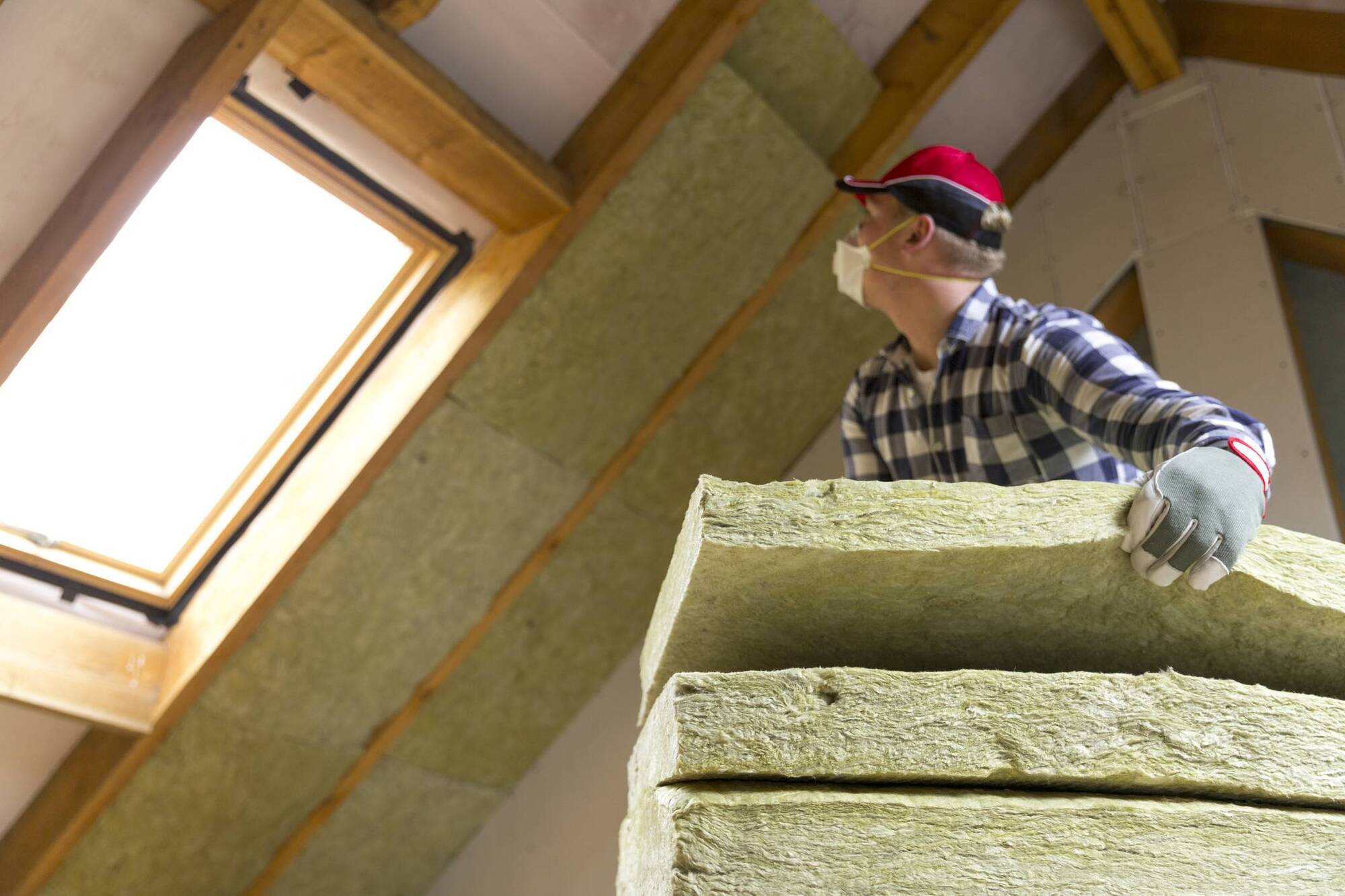
The National Home Energy Upgrade Scheme promised grant levels of up to 50% of the cost of a typical deep retrofit to a B2 BER standard and grants of up to 80% of the typical cost for attic and cavity wall insulation. Picture: iStock
A war of words has erupted between the Government and the opposition over the slow rollout of the national scheme to retrofit homes.
Speaking after the revealed that just 89 homes have had works completed in the national retrofitting scheme, Sinn Féin president Mary Lou McDonald described the lack of progress as a “disaster”.
The scheme was launched with a stated target of hitting 500,000 upgrades by 2030, or an average of 62,500 a year.
Speaking in the Dáil, Ms McDonald said the scheme was grinding to a halt because of bureaucratic delays and the large sums needed by homeowners to take part.
“The whole system as it is currently operating is a disaster. It is a time-consuming financial headache. It is therefore little surprise that only 89 homes have been retrofitted out of a Government target of 500,000.”
Ms McDonald said it was now very clear that the whole scheme needs to be completely overhauled.
Her party colleague and spokesman on energy Darren O’Rourke called for a major overhaul of the national retrofit plan to ensure resources were rapidly deployed and targeted to those living in energy poverty and in greatest need of energy efficiency upgrades.
“These figures are shocking and fly in the face of the Government’s targets. They expose how farcical the Government’s plan to retrofit homes is. As we see too often with this Government, the lofty targets and fluffy rhetoric simply aren’t matched by reality,” he said.
Taoiseach Micheál Martin said the latest projections from the Sustainable Energy Authority of Ireland (SEAI) indicate the Government is on track to achieve a target of 27,000 home energy upgrades this year. This compares to 15,500 upgrades last year.
He did concede the need to further ramp up delivery by a significant amount in the coming years and upgrade an average of 75,000 homes per year to a building energy rating B2-equivalent standard from 2026 to 2030.
Referring to the article, Mr Martin said the 89 figure relates to output under just one of the SEAI schemes, which was only launched in February of this year and which is still in the start-up phase.
“The reality is that demand and delivery across the range of SEAI retrofit schemes have been exceptionally high this year,” he insisted.
Green Party leader Eamon Ryan has insisted the national retrofit scheme is on track.
Mr Ryan’s spokesman said it was always envisaged that the number of retrofits would start at a low base and expand from there. Before this year, funding for these schemes was only provided on an annual basis, preventing the retrofit companies from expanding and investing in capacity.
He insisted projections from SEAI indicate the target of 27,000 home energy upgrades will be delivered this year, up from 15,000 last year.
The National Home Energy Upgrade Scheme promised grant levels of up to 50% of the cost of a typical deep retrofit to a B2 BER standard and grants of up to 80% of the typical cost for attic and cavity wall insulation.


CONNECT WITH US TODAY



Be the first to know the latest news and updates