Government approves €800m redress scheme for Mother and Baby home survivors
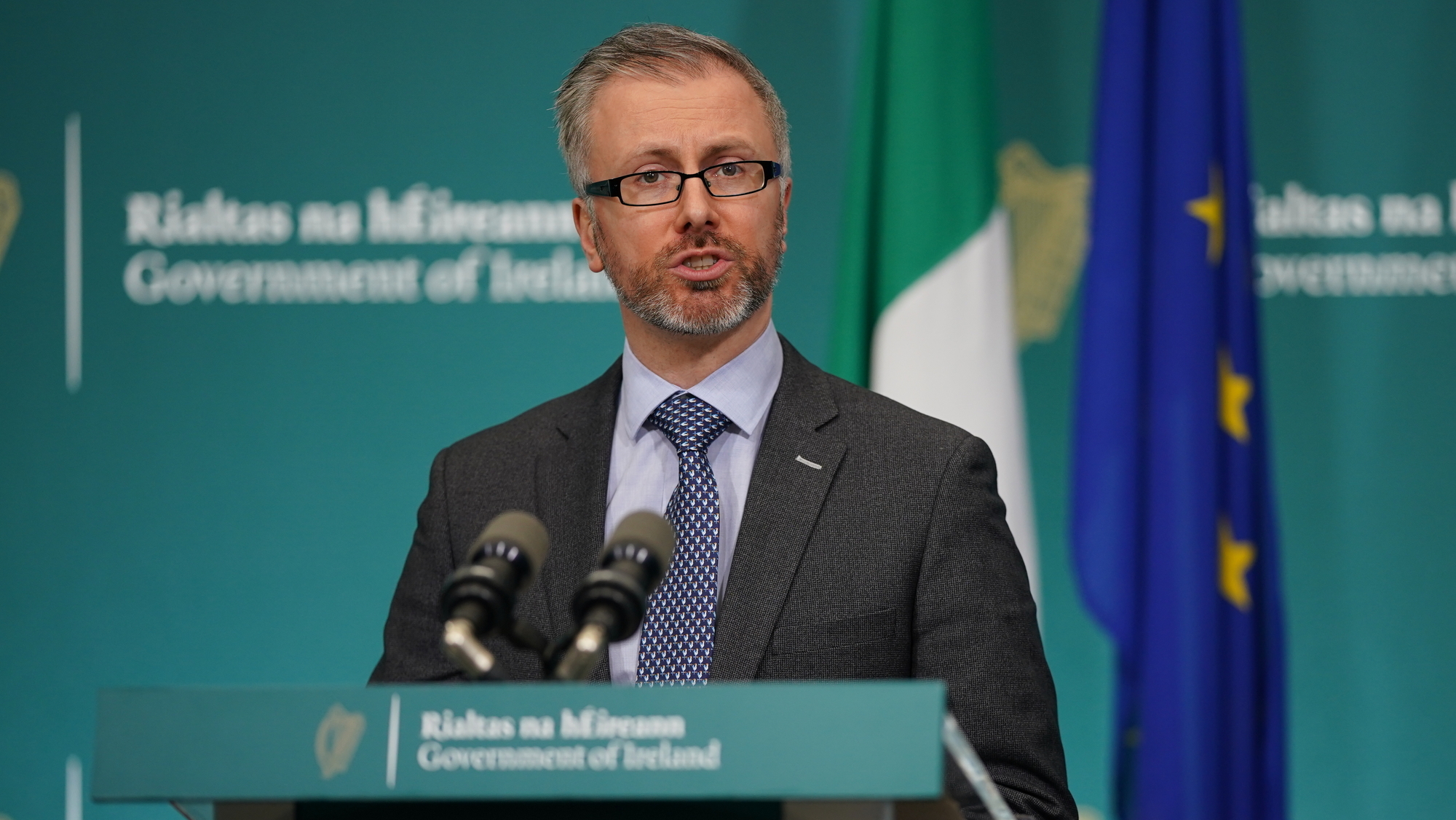
Minister Roderic O'Gorman said: "It represents a significant milestone in the State’s acknowledgment of its past failures and of the needless suffering experienced by so many of its citizens."
An €800m redress scheme for survivors of mother and baby homes has been approved by the Government.
However, the scheme will not include those who spent less than six months in these institutions as children or those who were boarded out, despite calls from campaigners.
Under the scheme, expected to open early next year, around 34,000 survivors will be eligible for financial payments and 19,000 for an enhanced medical card.
Children's Minister Roderic O'Gorman said: "Intensive work is underway in my department to establish the office to deal with applications which will open as soon as possible after the legislation is passed.
"It represents a significant milestone in the State’s acknowledgment of its past failures and of the needless suffering experienced by so many of its citizens."
While many of the concerns raised by survivors and representative groups to the initial plans have not been addressed, Mr O'Gorman stressed there is an important difference between the original rates approved by Government in November 2021 and the rates set out in the Bill.
He said these more refined bands will benefit applicants, particularly where they would have been at the upper end of one band under the original proposals.
The payment scheme will include:
- All mothers who spent time in a Mother and Baby Institution, with the amount increasing based on their length of stay.
- All children who spent six months or more in an institution based on their length of stay.
- An additional, work-related payment for women resident in certain institutions for more than three months who undertook what might be termed commercial work.
- An enhanced medical card will be available to everybody who was resident in a Mother and Baby or County Home Institution for six months or more.
Another key improvement is the inclusion of periods of temporary absence of up to 180 days that will be taken into account when calculating the total duration of a person’s time in a relevant institution and their corresponding financial payment.
Mr O'Gorman said many mothers and children spent time outside the institution, for example as a result of a hospital stay relating to pregnancy, childbirth, illness or infectious disease.
The minister considered it important that a person’s period of residence and associated payment should not be reduced because of hospitalisation which may have been caused by harsh institutional conditions.
Applicants will qualify solely based on proof of residency, without a need to bring forward any evidence of abuse nor any medical evidence. But in certain limited circumstances, sworn affidavits may be required.

CONNECT WITH US TODAY



Be the first to know the latest news and updates