Dáil to debate An Bord Pleanála controversies
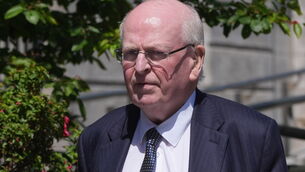
Pressure had been mounting for some time for the Dáil to discuss issues at the planning authority when it returns from its summer break. Picture: Gareth Chaney/Collins Dublin
The Dáil will hold a three-hour debate on the different controversies which have shaken An Bord Pleanála when the Oireachtas returns next week.
The Dáil business committee today agreed to allocate 200 minutes of speaking time to the matter on Thursday, September 15, in response to a request tabled by Sinn Féin housing spokesperson Eoin Ó Broin.
It is understood a smaller time allocation of 135 minutes was initially suggested at committee, but was ultimately overruled.
Pressure had been mounting for some time for the Dáil to discuss issues at the planning authority when it returns from its summer break.
Mr Ó Broin had previously written to the committee seeking time to be set aside in light of the “ongoing crisis” at the board.
He “welcomed” the fact the debate would be held in the first week of the Dáil session, and said it was “absolutely vital” that Housing Minister Darragh O’Brien set out “ what he’s going to do to restore public confidence in An Bord Pleanála”.
ABP has been mired in controversy since early April when it first emerged that the authority’s former deputy chair Paul Hyde had made a number of decisions involving potential conflicts of interest on his part.
Since then, a number of other issues have emerged, including the fact Mr Hyde had overturned the vast majority of the refusal recommendations of his own planning inspectors in approving applications for telecommunications masts over a two-year period.
Following the initial revelations, an investigation into some of Mr Hyde’s decisions was announced, headed up by senior counsel Remy Farrell.
That report was due to be delivered to the housing minister in late June. However, it was delayed by five weeks, during which time Mr Hyde resigned from his role.
In August, Mr O’Brien referred Mr Farrell’s report to the gardaí and the DPP to decide on whether a criminal prosecution may be merited. The report is not expected to be published until that process is finalised.