€200m underspend in housing blamed on inflation and supply shortages
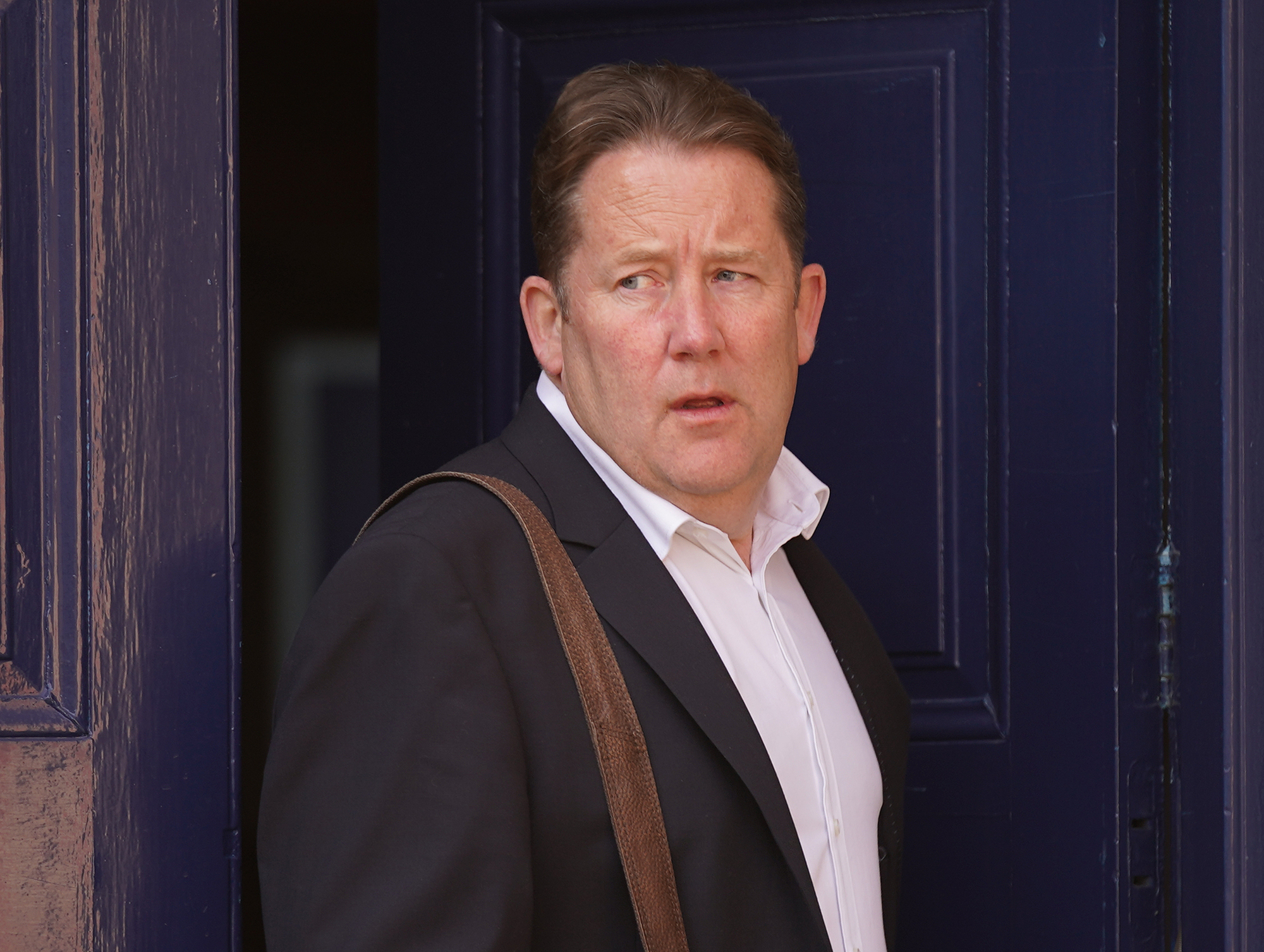
Housing Minister Darragh O'Brien: Housing target shortfall is partly explained to delays in some construction projects due to challenges of price and energy inflation, as well as supply chain disruption.
Building inflation, energy costs and a shortage of supplies were to blame for a €200m capital underspend by the Department of Housing between April and June, it can be revealed.
At a time of a housing emergency, targets for house building set by Housing Minister Darragh O’Brien have been missed since 2020 and the latest numbers show the spending was 28% behind profile at the end of June.
While Covid-19 and successive lockdowns played a major part in targets being missed, it now appears that inflation and supply issues are the major threat to delivery targets this year.
Figures given to his Cabinet colleagues by Mr O’Brien show that in the second quarter of the year, the department was due to spend €705m on capital expenditure on housing and related matters. However, the figures show just €506m was spent.
Ministers “noted” the report and Mr O’Brien has ordered a mid-term review to ensure the allocated monies are spent before the end of the year.
Explaining to his colleagues why the underspend occurred, Mr O’Brien said the shortfall is partly explained to delays in some construction projects due to challenges of price and energy inflation, as well as supply chain disruption.
He said spending is typically weighted towards the year-end. “Department officials are currently undertaking a mid-year expenditure review and it’s expected that the department will return to profile towards the end of the third quarter,” ministers were told.
He also said he and the department continue to work with the local authority sector and to address inflation in public-sector contracts to ensure that projected investment levels are maintained.
Charitable bodies and approved housing bodies have confirmed the difficulties being experienced in the sector in being able to complete crucial housing projects.
Pat Doyle, chief executive of the Peter McVerry Housing charity has told the that it has become increasingly difficult to get builders even to quote for jobs because of price inflation and supply issues since Russia invaded Ukraine.
Mr Doyle, who is on Mr O’Brien’s Housing Commission, said the underspend on building could be redirected to buying or leasing properties in order to meet this year’s targets.
“In the past few years, there has been a focus on direct building, but with the difficulties, it is likely that we look at leases and acquiring from the underspend,” he said.
Sinn Féin’s housing spokesman Eoin Ó Broin slammed the underspend, saying this is the third year in a row of the Government missing its own targets.
“While it is not a surprise, the minister needs to be honest with people. The minister missed his social housing targets by 20% last year and the fact is that shortfall is not added onto the targets for this year. They are simply lost,” he said.
“At the end of March, the Government had only met 17% or 600 units out of a target of 9,000 this year which will clearly now not be met,” he said.
Mr O Broin said there is “excessive bureaucracy” in the departments of housing and public expenditure and reform which he says is delaying projects by up to two years.
A spokesman for the Department of Housing told the that the is the financial position against profile for all areas of capital expenditure in the department including housing, water services, Met Eireann and local government.
Latest CSO data shows that just 20,433 dwellings were built in 2021, 93 fewer than 2020 and almost 13,000 less than the Housing for All target of 33,000.
One in every four new completions in 2021 was an apartment and, notwithstanding the Government's commitment to regenerating and sustaining towns and villages, the urban-rural divide persists, the CSO data showed.
The number of new homes built in the first quarter of 2022 was the highest in over a decade.
The increased output was, however, largely down to increased apartment completions in Dublin, which has seen a surge in investment in the build-to-rent sector.
CSO completions data indicate there were 5,669 new dwellings constructed in the first three months of this year, up 44.5% on the same period last year.
CONNECT WITH US TODAY



Be the first to know the latest news and updates