Cutting agricultural emissions by 30% would 'devastate' rural Ireland, Dáil hears
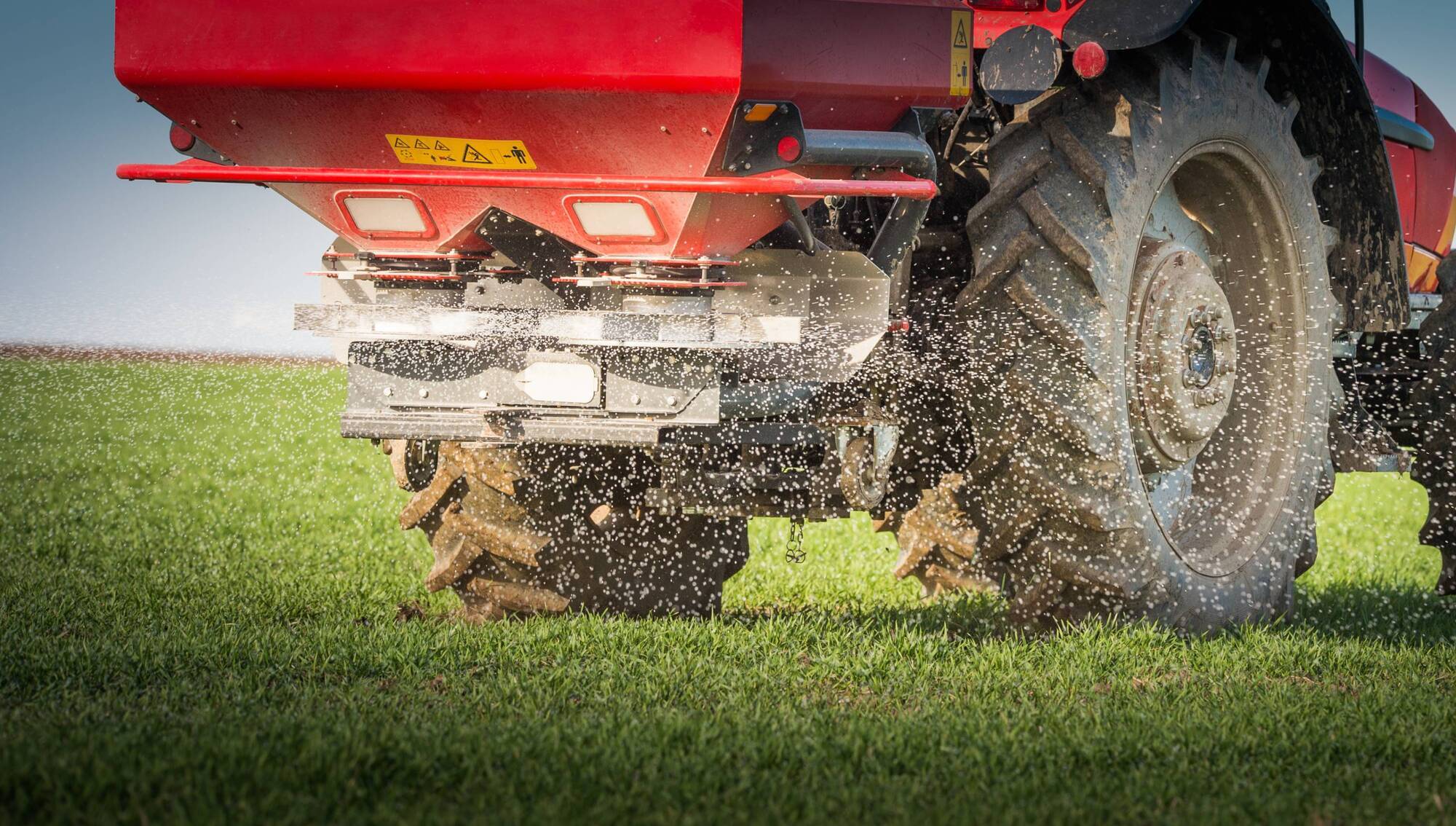
The Climate Action Plan 2021 has proposed a target for agriculture to reduce emissions by 22% to 30% by 2030.
Proposals to reduce carbon emissions in agriculture by between 22% and 30% would “devastate” rural Ireland, the Dáil has heard.
The Government is about to sign off on sectoral emissions ceilings in the coming days and farming lobby groups have been seeking to make the reduction as small as possible.
However, a major row is brewing between rural TDs, Agriculture Minister Charlie McConalogue and Green Party leader Eamon Ryan, whose department has line authority for the ceilings.
In the Dáil, Kerry TD Michael Healy Rae said achieving a reduction of 22% will be extremely challenging for the sector but any higher than 22% is likely to have a devastating economic and social impact on rural Ireland.
The climate action plan provides a pathway to achieve a 22% emissions reduction through improved efficiencies and the adoption of new technologies and new practices.
However, Mr Healy Rae said there is no pathway to a 30% emissions reduction that does not result in a significant reduction in cattle numbers at the level of individual farms.
“The consequences of a 30% reduction would be devastating, with a 12% reduction in livestock numbers, a drop of €3.8m in output, and a loss of over 56,000 jobs, predominantly rural-based,” he said.
He said there must be a balance between economic, social, and environmental sustainability. This is most important because we must ensure we protect our family farms and also ensure that whatever happens, there will not be a reduction in our cattle numbers because that would be devastating to the industry.
In response, Taoiseach Micheál Martin said there needs to be balance in the debate and TDs should consider the use of language that includes words such as "devastating" and "catastrophic".
The dairy industry has grown exponentially over the past decade or so. It has been going extremely well since the removal of the milk quota, he said.
This year will be significant for the dairy side of the industry, given the global situation, he added.
“In the coming weeks, sectoral emission ceilings will be established for the agricultural sector, and all sectors, and that will give clarity to the sector,” Mr Martin said.
“I understand where agricultural interests want the baseline to be and what level they want it set at. The Government's objective remains that whatever the ceiling, it will allow for the sector to maintain food production in our beef, dairy, sheep and pig sectors,” he insisted.
CLIMATE & SUSTAINABILITY HUB
CONNECT WITH US TODAY



Be the first to know the latest news and updates