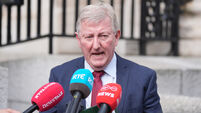
Delayed plan will see new media levy to replace TV licence
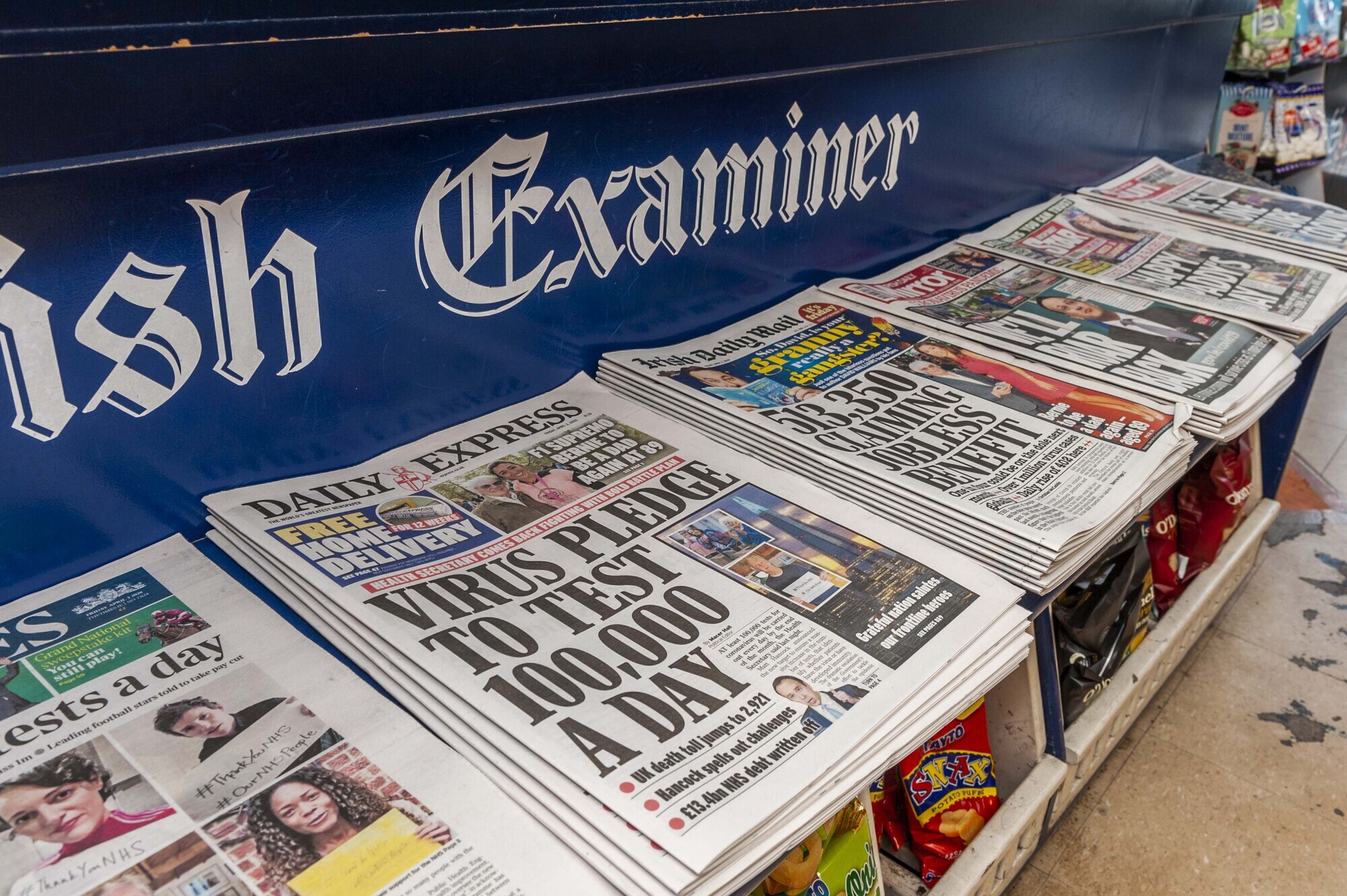
Local and national print media could also be eligible to draw from the new levy but Government sources say speculation Revenue will collect it is 'premature'
Delayed plan will see new media levy to replace TV licence

It has been confirmed that the existing TV licence will be replaced by a wider media levy, which will also seek to direct funding to protect local and national print media. File picture: Andy Gibson

A major battle within Government as to how public interest media is to be funded has led to a significant delay in new plans being approved.

It has been confirmed that the existing TV licence will be replaced by a wider media levy, which will also seek to direct funding to protect local and national print media.

However, while no decisions have yet been taken on how much print media will receive under the levy, senior Government sources have said there is acute sensitivity to any suggestion the amount being sought from households could increase amid the current cost of living pressures.

“The discussions at the moment are about we fund it from the exchequer or through a levy. The Department of Finance is clear in its view that the levy and not exchequer funding is the preferred method,” said one senior Government source.

But also, on the levy, it is patently clear there is no public appetite to increase the amount of money being sought from families when we have just introduced a package of €500m to ease the cost of living pressures."

It had been anticipated the plans would go to Cabinet before Christmas, then were expected before the end of January. Senior Government sources have told the Irish Examiner it will be “well into March” before the current wrangling is expected to conclude.

Recommendations by the Government’s own Commission on the Future of the Media that the TV licence be scrapped and replaced by exchequer funding is being strongly resisted, primarily by Finance Minister Paschal Donohoe and his officials.

Senior Government sources have said it looks likely that proposal will be rejected in the final plan.

It is felt by Mr Donohoe that the income stream raised by the TV licence, about €221m, is too significant to be forgone and he and his officials believe it is not feasible to expect the money to be made up elsewhere.

If the levy is approved as a replacement for the TV licence, and the number of bodies to draw from it increases, it could add pressure for State broadcaster RTÉ, which gets about €200m from the licence fee.

While consideration is being given to how to improve enforcement of the TV licence, which has an evasion rate of about 15% a year, a loss in revenue of about €50m, speculation the Revenue Commissioners will take on the collection of the levy has been described as “premature”.

“We are not at that stage just yet, but it is fair to say it is one of the options on the table. No one wants Revenue on their case, and it worked successfully for the local property tax,” said one source.

Arts and Media Minister Catherine Martin received the report of the Future of Media Commission, chaired by Prof Brian MacCraith, last year but there was immediate opposition from ministers to its recommendation to fund RTÉ directly from the exchequer.

NewsBrands Ireland, the umbrella group for the print media in Ireland, has called on the Government to take immediate steps to help protect independent journalism. It sought for the Government to ensure public service journalism is supported across all media.

The current funding model, which allocates funds to broadcast media only, should be open to all public service content providers, it says. It also wants to see the introduction of a digital tax, a portion of which to be allocated for training of journalists.

x

More in this section

Politics

Newsletter

From the corridors of power to your inbox ... sign up for your essential weekly political briefing.

Cookie Policy Privacy Policy Brand Safety FAQ Help Contact Us Terms and Conditions

© Examiner Echo Group Limited